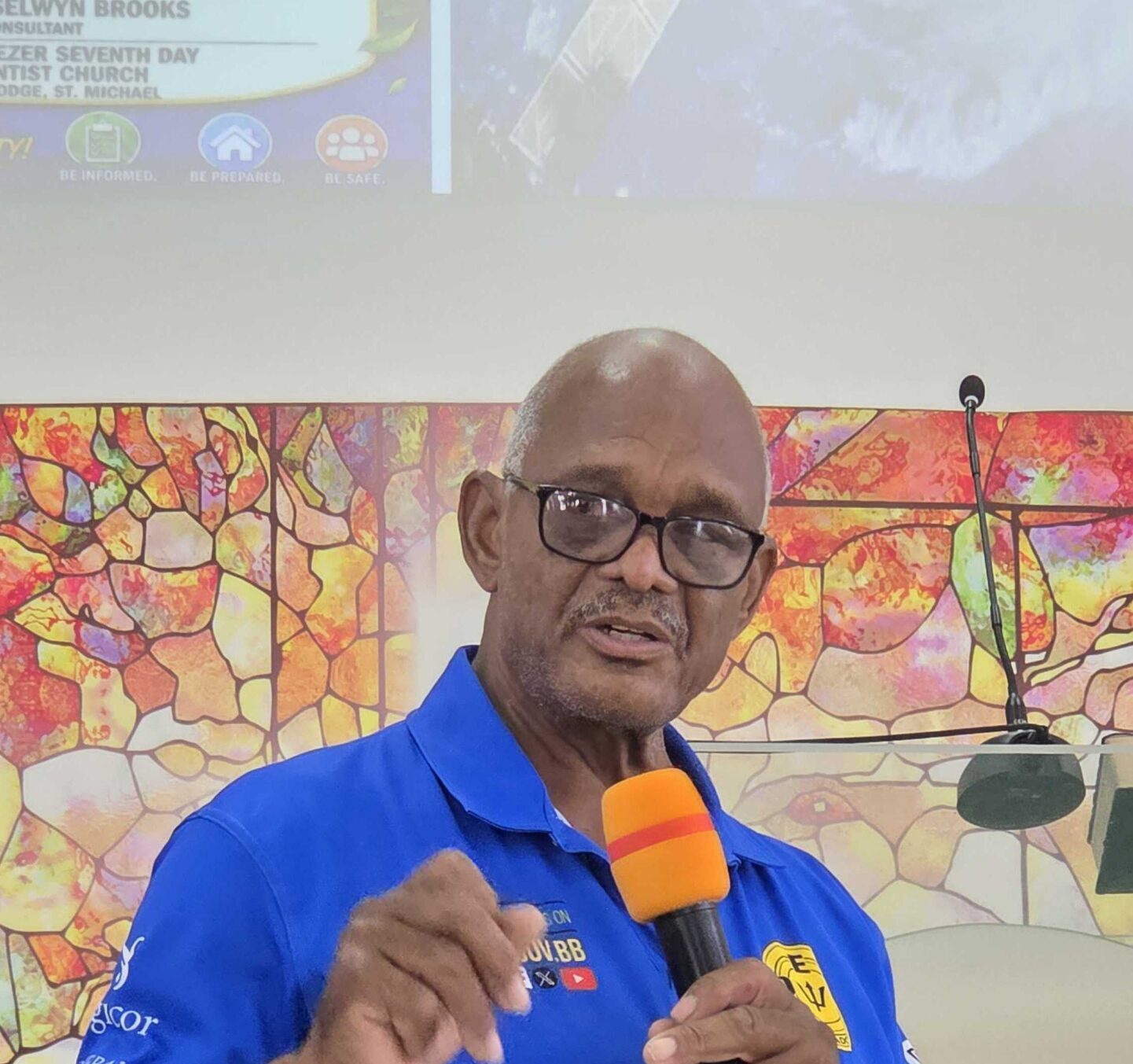
As the Atlantic hurricane season gets underway, a top Barbadian emergency management consultant is sounding the alarm, pushing local residents to set aside overconfidence and take personal ownership of hurricane preparedness — even with forecasters projecting a milder-than-usual storm cycle this year.
Selwyn Brooks, a consulting specialist with Barbados’ Department of Emergency Management (DEM), emphasized a stark, often overlooked truth for Caribbean communities: it only takes a single destructive hurricane to upend lives and destroy property, regardless of how the full season is predicted to pan out.
Current climate forecasts call for 8 to 14 named storms in the 2024 Atlantic hurricane season, with just 1 to 3 projected to strengthen to Category 3 strength or higher. But this relatively positive projection, Brooks warned, is no excuse for cutting corners on preparation. He pointed to a widespread culture of complacency across Barbados, where many residents grow frustrated after investing time and money into preparedness measures that go unused in a given season. “You hear people say, ‘You made me buy all these supplies and nothing ever happened. You made me trim trees and clear my property and nothing came of it,’” Brooks noted. But he pushed back firmly on that mindset: “It is always better to be prepared and face no storm, than to be caught off guard when a storm does arrive. Emergency supplies do not spoil, and the day will come when Barbados is hit. This is not a question of if we will face a major weather system — it is a question of when.”
A core part of Brooks’ message is a push to shift long-held public assumptions about who bears responsibility for hurricane readiness. For years, many Barbadians have operated under the belief that hurricane preparation is solely the job of the government or the DEM, but Brooks argued that individual households must take proactive steps before a storm forms off the coast. These steps include reinforcing home structures to withstand high winds, clearing clogged drainage ditches that can trigger flooding, and trimming overgrown tree branches that could turn into dangerous projectiles during a storm.
To illustrate his point, Brooks shared an anecdote from a recent interaction with a resident living at the base of a hill. The woman complained that her front yard repeatedly flooded during heavy rain, and told Brooks she knew the cause: plastic bags, grass clippings, and other household debris had blocked the nearby storm drain. When Brooks asked if she had ever cleared the blockage herself, her response revealed the common mindset he is working to change: “That’s not my job. Call my Member of Parliament.”
“The point I am making is that in many cases, we ourselves contribute to our own flooding risk,” Brooks explained to attendees at a DEM public meeting held at the Ebenezer Seventh-day Adventist Church in Eden Lodge. “We need to embrace shared responsibility and get every member of the community involved. Now is the time to walk around your property, identify potential hazards, and take steps to reduce your risk before a storm arrives.”
Beyond physical prep work, Brooks also stressed the critical importance of adequate property insurance for all homeowners, urging residents to cover both their home’s physical structure and the personal contents inside. Many people make the mistake of only purchasing a structure-only policy, he noted, which leaves personal property unprotected if a storm hits. He also advised homeowners to update their coverage regularly as they acquire new furniture, electronics, and other valuables to ensure full protection.
Brooks also made a point to reach out to owners of chattel houses — the traditional timber movable structures common across Barbados — many of whom wrongly assume they cannot get insurance for their properties. He explained that local insurance providers now offer tailored coverage plans for these structures, with flexible monthly payment options designed to make premiums more accessible for low- and middle-income households. “Insurance companies want to stay in business, so they have adjusted their products to make it easier than ever for chattel house owners to get covered,” he said. “All that is required for most policies is that your home’s foundation is fully enclosed, which meets the standard for most chattel houses across the island.”
To drive his message home, Brooks pointed to the devastating hurricane damage that has ravaged neighboring Caribbean nations in recent years, including Jamaica, Dominica, and Grenada. He also reminded Barbadians of the recent impact of Hurricane Beryl, which caused millions of dollars in damage to the island’s commercial fishing fleet just months prior, as a reminder that storm risk is never zero — even in years with mild seasonal forecasts.