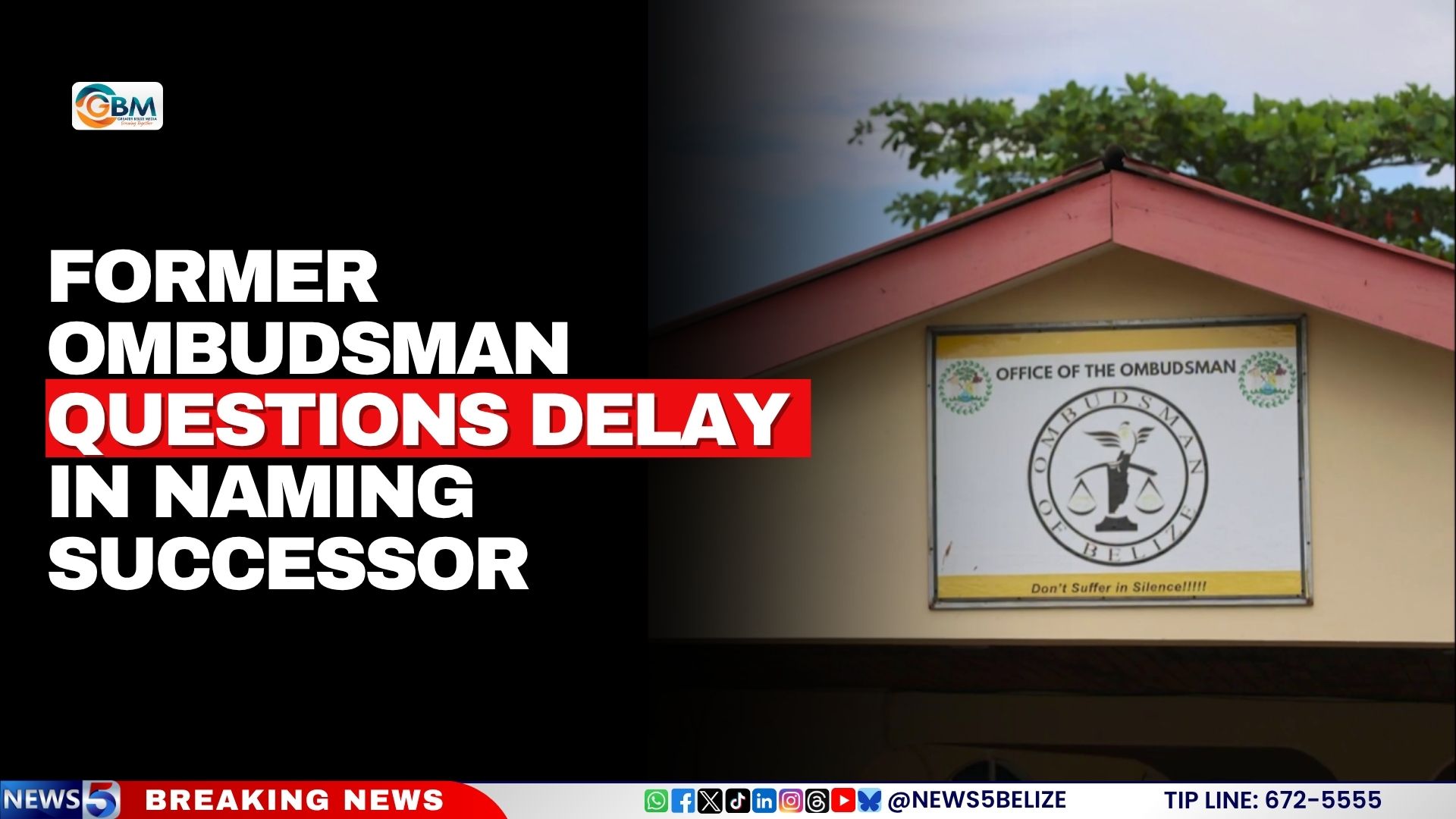
Six months have passed since Belize’s Office of the Ombudsman was left without a permanent leader, and the retired former head of the institution is now publicly questioning what has caused the crippling delay in naming a successor.
Retired Major Gilbert Swazo, who previously served as Belize’s Ombudsman, is sounding the alarm over the extended vacancy, warning that the unaddressed gap undermines government accountability and leaves marginalized, vulnerable citizens without the critical oversight the institution was designed to provide. The national Ombudsman’s Office is tasked with investigating complaints of maladministration, protecting human rights, and holding public bodies accountable to the public it serves, making a permanent leadership vacancy a critical vulnerability for the country’s governance framework.
In response to public calls for clarity, the Government of Belize has framed the delay as a necessary side effect of an ongoing institutional overhaul: the transformation of the existing Ombudsman’s Office into a formal National Human Rights Institution. This planned reform is backed by 400,000 euros in international funding earmarked to support the transition and expansion of the institution’s human rights mandate.
But Swazo argues that the government’s justification falls flat. The core problem, he emphasizes, is that the entire reform project cannot credibly move forward without the very leader who is meant to oversee the transition, serve as custodian of the new institution, and protect the human rights of Belize’s population. In his remarks, Swazo questioned the logic of advancing a project designed to strengthen the national human rights body without putting the key leadership in place first.
“The question is, if it is then that the Office of the Ombudsman will be the beneficiary on behalf of the government of Belize who made that declaration, then in my humble view, what is the purpose of ensuing or continuing such a project without the key stakeholder for and on behalf of the country or who will be the custodian of such a project?” Swazo told reporters.
He added that without a sitting Ombudsman at the helm, the transformation process lacks direction, and the Belizeans who stand to gain the most from the strengthened institution—particularly vulnerable groups across the country—are being left without the protections they are owed. The public questioning from the former Ombudsman has renewed pressure on the Belizean government to move forward with the appointment process, amid growing concerns that the delay is eroding public trust in both the reform effort and the country’s governance accountability systems.