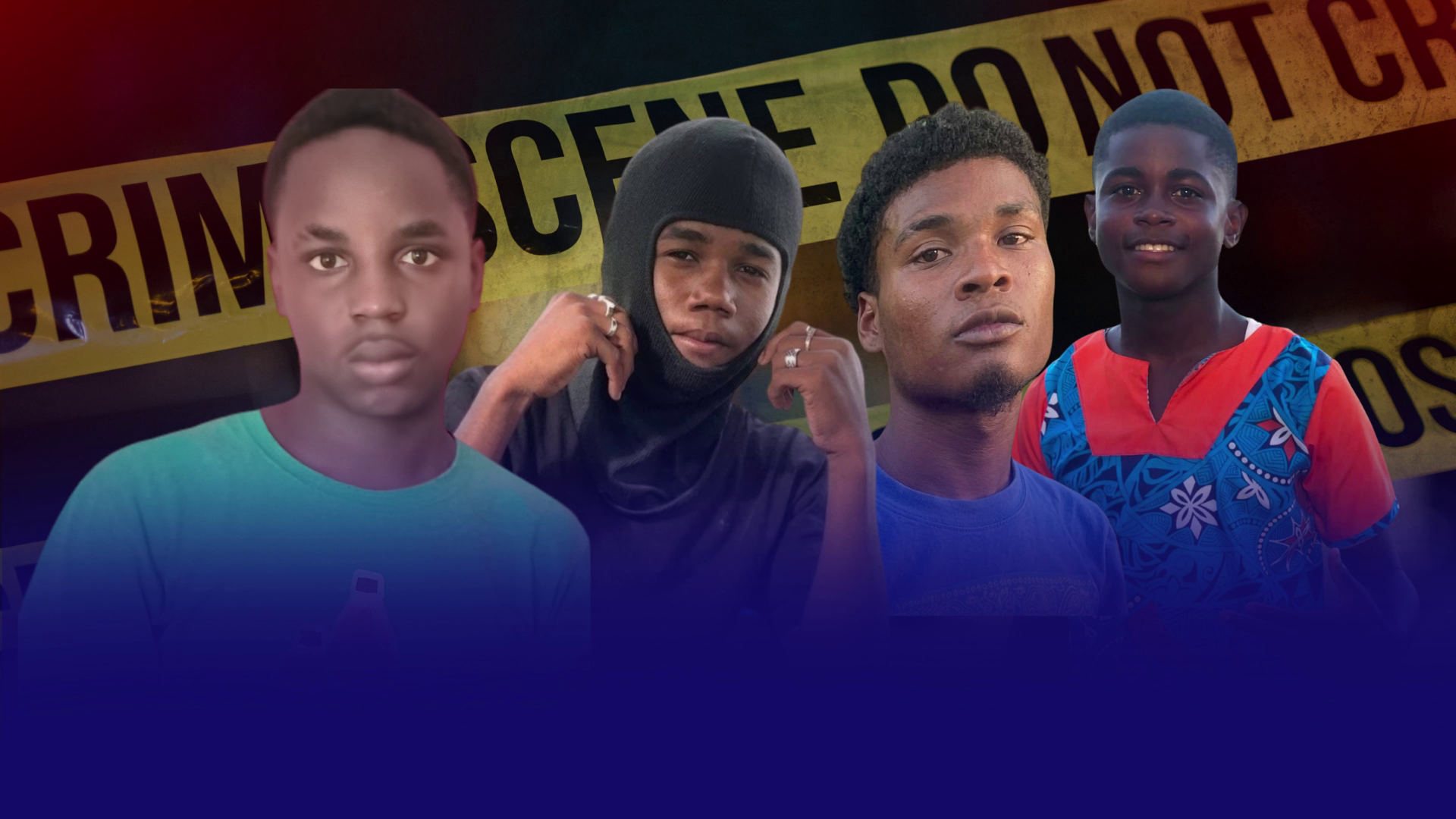
Against a backdrop of surging youth violence that has left multiple teenagers dead in just weeks, Belize has formally finalized and approved landmark Child Justice Guidelines, a comprehensive policy framework designed to prioritize the rights and well-being of minors who interact with the country’s legal system. The final validation of the guidelines, held at a gathering in Belize City on June 30, 2026, brought together government agencies, child rights advocates, legal experts, and even youth representatives to mark a critical step forward in protecting vulnerable young people across the nation. The process was led by Belize’s National Commission for Families and Children (NCFC) in partnership with UNICEF, as part of a broader national push to overhaul protections for children who come into contact with the law, whether as victims, witnesses, or young offenders. The move comes as the country grapples with a growing crisis of gun violence that is disproportionately impacting its youth. In just the month leading up to the validation session, nine people were killed across Belize, four of whom were teenagers. Two recent high-profile killings — 16-year-old Isaiah Norales, shot dead while cycling in Dangriga, and 17-year-old Derrick Morris, gunned down in Belize City earlier that month — underscore the urgent need for systemic change to support at-risk young people before they become casualties of violence. UNICEF Belize Child Protection Officer Michelle Segura-McGann explained that many children who enter the justice system have already faced severe hardships long before they interact with authorities. She noted a troubling emerging trend: many minors who break the law are recruited into violent criminal gangs, a form of child trafficking that has exacerbated the country’s youth violence crisis. “Most children who come into contact with the law have already experienced abuse, neglect, family separation and other forms of violence before they reach that point,” Segura-McGann said. “That is why bringing all stakeholders together to align on a shared approach is so critical.” Alongside the final approval of the Child Justice Guidelines, the NCFC and UNICEF also launched a new Child Protection and Child Justice Steering Committee, a five-year strategic initiative aimed at embedding child-centered protections across every level of government and civil society. NCFC Director Shakira Sutherland emphasized that a coordinated, cross-sector approach is essential to prevent vulnerable children from falling through gaps in the current system. “No matter whether a child is a victim of crime or has had contact with the law, they are still children, and their rights matter,” Sutherland said. “We need every sector — from the judiciary to health, education, and human development — to put children at the center of every decision, to ensure they get the protection and justice they deserve when they are at their most vulnerable.” The validation meeting included meaningful input from young people themselves, via delegates from Belize’s Child Parliament. Sixteen-year-old Child Parliamentarian Jocelynn Campos shared that current processes often fail to meet the unique needs of minors who enter the justice system. “Too often, children who end up in contact with the law are already in vulnerable situations, and the way we handle those cases isn’t done properly,” Campos said. “These guidelines are critical because they push us to understand their experiences, their feelings, and the root causes of their actions, rather than just applying adult rules to young people.” Experts stress that children have fundamentally different developmental needs than adults, requiring specialized treatment within the justice system. Segura-McGann noted that minors have far greater capacity for rehabilitation than adult offenders, especially when it comes to minor infractions, making diversion programs, therapy, and family support far more effective than traditional punitive measures. Even for 18-year-olds, who are legally recognized as adults under Belizean law, officials say ongoing support is needed, as young people in this age group remain particularly vulnerable to exploitation and abuse. Campos, who advocates for fellow youth across the country, shared her long-term vision for the reforms: she hopes the new guidelines will not only protect vulnerable children but also help nurture the next generation to build a stronger, more prosperous Belize. “I hope that we can come together as a society to nurture our young people to choose the right path,” she said. “When we support our youth, we lay the groundwork for Belize to grow economically and socially for years to come.” Stakeholders emphasize that systemic reforms like the new Child Justice Guidelines are just one piece of the puzzle. Protecting Belize’s children requires collective action across society: families, educators, healthcare workers, law enforcement and community leaders all have a role to play in identifying at-risk youth, providing early support, and building a robust safety net that leaves no child behind. This report was compiled from original on-the-ground reporting by Britney Gordon for News Five.