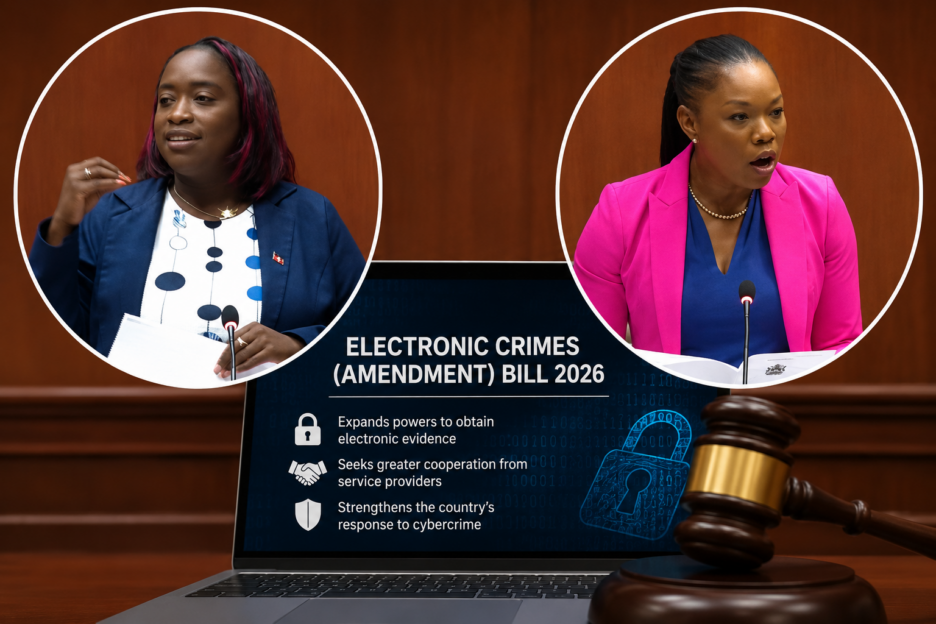
In a significant legislative development that has reignited debates over digital privacy and state surveillance powers, the upper legislative chamber has given final approval to the Electronic Crimes Bill, a piece of legislation aimed at modernizing the country’s legal framework for tackling cybercrime. The bill’s passage comes as law enforcement agencies have pushed for updated tools to investigate digital offenses, which have grown exponentially in frequency and sophistication in recent years, ranging from data breaches and ransomware attacks to cyber-enabled fraud and disinformation campaigns.
However, political opposition figures have swiftly raised alarms over the breadth of digital search and seizure powers granted to authorities under the newly approved legislation, calling for urgent amendments to impose tighter, more targeted limits on how these powers can be deployed. Opposition lawmakers argue that the current wording of the bill leaves excessive room for overreach, potentially allowing state agents to conduct unwarranted searches of personal digital devices, access private communications without sufficient judicial oversight, and collect large troves of user data that go far beyond what is necessary for legitimate criminal investigations.
Critics also note that the bill’s broad definitions of electronic crimes could open the door to misuse of these search powers to target political opponents, silence dissenting voices, and erode fundamental rights to digital privacy that are protected under the country’s constitution. The opposition has outlined a series of proposed changes, including mandatory independent judicial approval for all digital search warrants, strict limits on the retention period for collected user data, and clear carve-outs to protect sensitive information such as journalist sources, medical records, and private communications between legal representatives and their clients.
Government supporters of the bill have pushed back against these criticisms, asserting that the new powers include adequate safeguards to prevent misuse and that the legislation is a critical update to allow law enforcement to keep pace with rapidly evolving cyber threats. They note that the bill was the subject of months of committee hearings and negotiations, and that the final text incorporates multiple changes to address early concerns raised by civil society groups and opposition lawmakers. The legislation now moves to the lower house of parliament for consideration, where the opposition is expected to push for its proposed amendments to tighten limits on digital surveillance authorities as the debate over balancing national security and digital privacy continues.