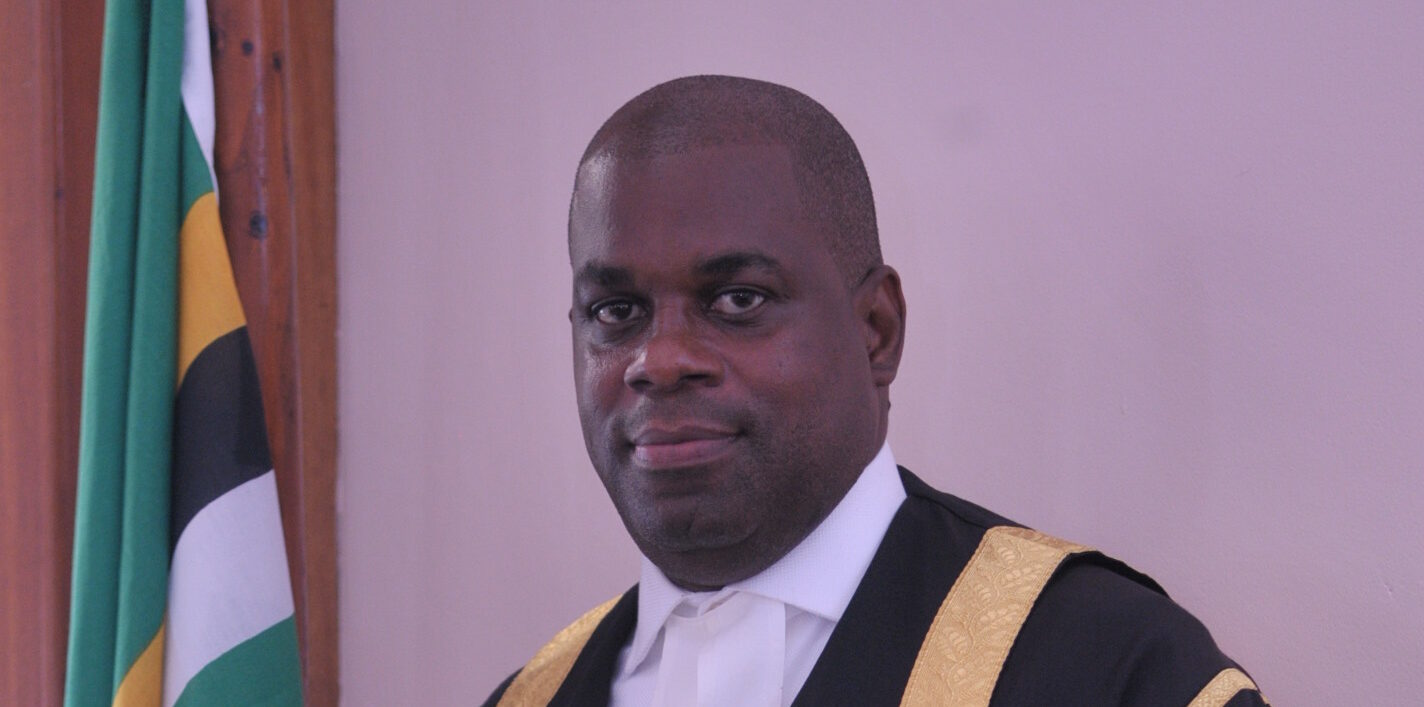
A longstanding democratic norm of parliamentary neutrality in Dominica has been thrown into question after the Speaker of the House of Assembly participated in a ruling party campaign event, drawing a public call for accountability from a prominent former civic leader.
Alvin A. Thomas, a concerned citizen and former general secretary of the island nation’s Civil Service Association, laid out his critique in a widely circulated open letter published June 28, 2026. The controversy stems from Speaker Joseph Isaac’s appearance that same day at a campaign rally for the Dominica Labour Party, where he formally introduced Ashma McDougall, the party’s candidate in the upcoming Roseau North constituency by-election.
In his letter, Thomas acknowledges that Isaac holds the same constitutional rights to freedom of expression and association as any other Dominican citizen. But he argues that the non-partisan expectation attached to the Speaker’s office creates a higher standard of conduct that the Speaker failed to meet in this instance. As the presiding officer of Dominica’s national parliament, the Speaker is entrusted with upholding the integrity of legislative proceedings, guaranteeing fair treatment for all lawmakers regardless of party affiliation, and safeguarding public trust in one of the country’s core democratic institutions.
This expectation of political neutrality is not a unique rule for Dominica, Thomas notes. It is a longstanding convention across all Westminster-style parliamentary democracies, where the perception of impartiality is considered just as critical as actual neutrality to maintaining public confidence in democratic governance. Thomas emphasizes that the issue at hand is not whether Isaac’s actions were illegal, but whether they were appropriate for a person holding a constitutional office that requires detachment from partisan campaigning.
Labeling Isaac’s decision to participate in the rally as a “lapse in judgement,” Thomas calls on the Speaker to issue a formal explanation and a public apology to the Dominican people and parliament. He stresses that protecting the institutional integrity of parliament and preserving public trust in democratic governance must always take priority over engaging in partisan political activity. Even though the Speaker holds legal rights to political participation, Thomas argues those rights must be balanced against the overriding responsibility of the office to remain above party politics to avoid even the perception of bias.
Thomas concludes by noting that the stability and legitimacy of Dominica’s democratic system depend on all holders of high constitutional office adhering to strict standards of conduct. The parliament, he insists, is an institution that transcends individual political parties, individual officeholders and individual electoral contests, and its integrity must be protected as a matter of priority for all who serve within it.