A recent independent legal analysis prepared by a senior University of the West Indies academic has cast serious doubt over the legal standing of Caricom Secretary-General Carla Barnett’s second term, arguing that the reappointment process violated core articles of the Caribbean bloc’s foundational governing treaty.
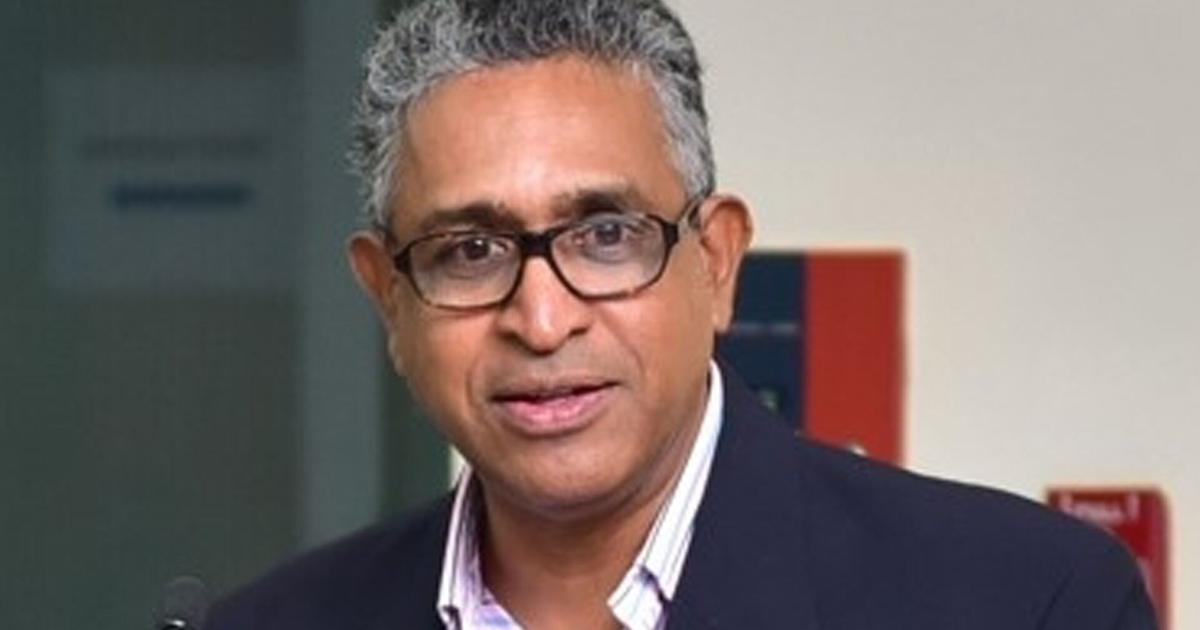
Rajendra Ramlogan, a professor of commercial and environmental law based at UWI’s St. Augustine campus in Trinidad and Tobago, released the formal legal opinion this week. In the document, he clarified that his critique targets procedural flaws in the reappointment process, not Barnett herself, focusing narrowly on whether the regional body followed the constitutional mandates laid out in the Revised Treaty of Chaguaramas.
Barnett’s second five-year term was approved during a closed-door, heads-of-government-only retreat held in Nevis, which took place after the conclusion of the 50th Regular Meeting of the Caricom Conference of Heads of Government in February. Ramlogan’s core argument holds that this closed retreat does not qualify as a legally constituted meeting of the full Conference, and therefore lacked the legal authority to make a formal appointment to the Secretary-General post.
The opinion highlights two key treaty violations. First, it cites Article 11(2) of the Revised Treaty, which guarantees every member state’s head of government the right to appoint an alternate minister or representative to attend Conference meetings when the head is unable to attend. Ramlogan notes that this right was entirely sidelined during the Nevis retreat: attendance was restricted exclusively to sitting heads of government, blocking designated alternates from participating. The case of Trinidad and Tobago illustrates this breach: after Prime Minister Kamla Persad-Bissessar left the main summit early, Foreign and Caricom Affairs Minister Sean Sobers stepped in as the country’s acting head of delegation, but was barred from the retreat. Multiple other member states whose heads could not attend the retreat faced identical restrictions on their designated representatives.
While Ramlogan acknowledges that Caricom’s internal rules allow for closed heads-only deliberations in informal settings, he emphasizes that such caucuses cannot exercise formal treaty-mandated decision-making authority. “A heads-only caucus may be lawful as a deliberative setting,” Ramlogan wrote, “but a heads-only caucus cannot become the final decision-maker where the Conference is exercising a formal Revised Treaty function.”
Second, the opinion finds the process failed to meet the requirements laid out in Article 24 of the treaty, which mandates that the Secretary-General must be appointed by the Conference of Heads only after receiving a formal recommendation from the Community Council of Ministers. Ramlogan rejected the claim that reappointment of an incumbent Secretary-General is exempt from this requirement, noting that a second term constitutes an entirely new grant of authority after the expiration of the first fixed five-year term. Since the Community Council was never consulted and never issued a recommendation, the process undermined the treaty’s designed balance of institutional power.
The opinion also raises additional red flags: it questions unconfirmed reports that the decision was approved via majority vote rather than the consensus normally required for Caricom decisions, and points out that the official post-summit communiqué made no mention of Barnett’s reappointment at all.
In his closing summary, Ramlogan confirmed that the heads-only attendance restriction directly violated the Revised Treaty by stripping member states like Trinidad and Tobago of their legally guaranteed participation rights. The exclusion of designated alternate representatives, he concluded, renders Barnett’s reappointment “constitutionally defective and potentially void.”