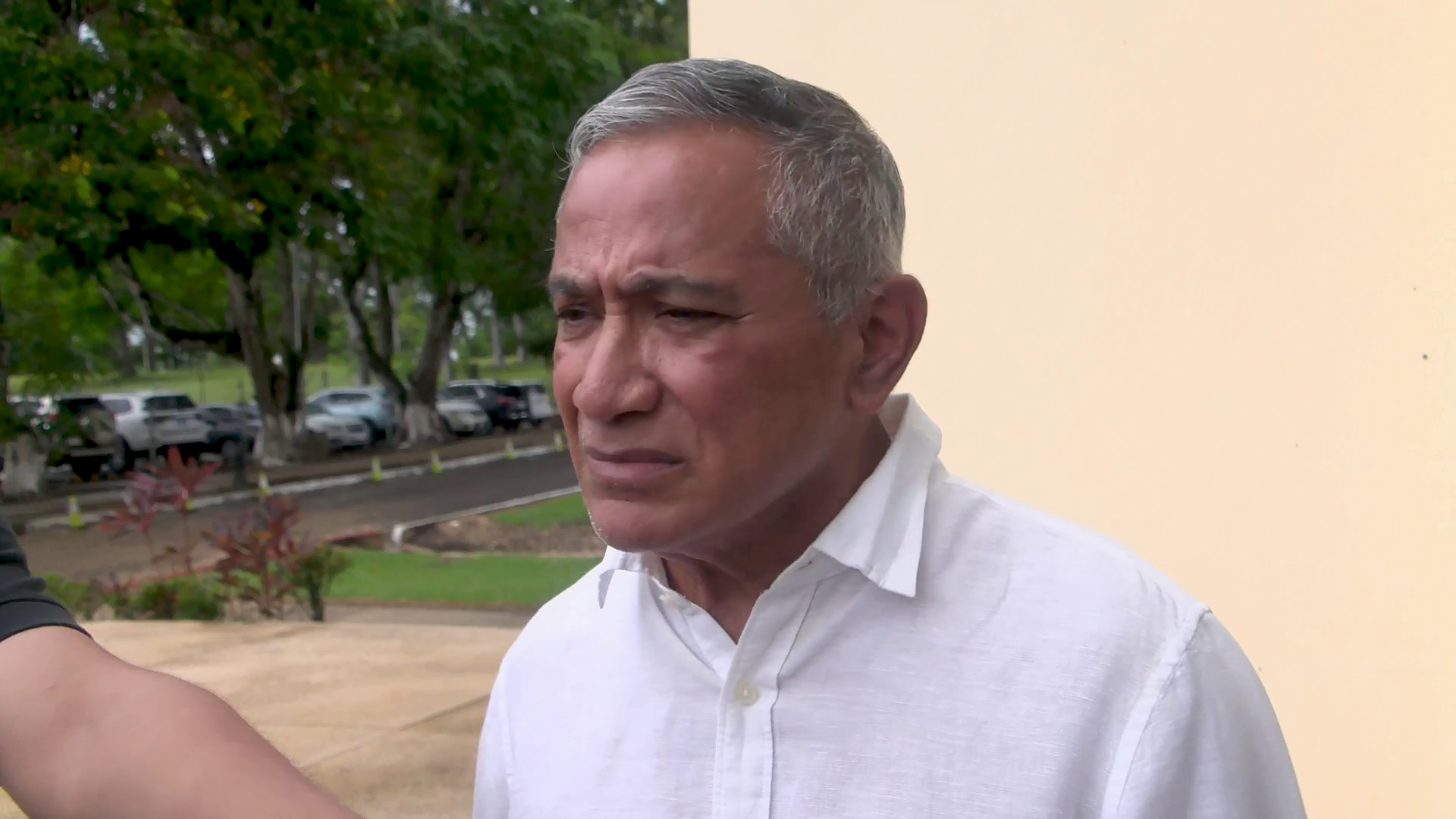
On June 23, 2026, Belizean Prime Minister John Briceño has found himself at the center of growing political scrutiny over his decision to bypass established parliamentary protocol to launch an independent audit, drawing pushback from labor leaders and opposition figures alike.
The core controversy centers on Briceño’s choice to route the audit request through the Financial Secretary to the Auditor General, rather than following the formal process defined by the Clerk of the National Assembly. Public Service Union President Tony Martinez (quoted through reporter Paul Lopez) has emphasized that by institutional design, the Auditor General is accountable exclusively to the National Assembly, not the executive branch led by the Prime Minister and Financial Secretary. This deviation from standard procedure has raised questions about potential executive overreach and the independence of the upcoming audit.
During a direct on-camera question-and-answer session with reporter Paul Lopez, Briceño dismissed the concerns as a difference of opinion, offering a simple defense of his action: “All I did was called the financial secretary and said I think we need to call the Auditor General and request and audit, end of story.”
When pressed to give a binding public commitment to release the full audit findings once the process concludes, Briceño stopped short of a full guarantee, only stating that it is his expectation the report will be made public. “That is as far as I will be able to commit,” he told reporters.
Critics including the National Trade Union Congress of Belize (NTUCB) have gone further, calling for sweeping anti-corruption investigations across all government ministries, a demand Briceño deflected by highlighting the policy achievements of his administration. He pointed to the recent approval of a new trade agreement with El Salvador as a milestone that the previous United Democratic Party (UDP) government never managed to deliver during its tenure.
Briceño further pushed back against opposition criticism by arguing that the UDP lacks moral standing to accuse his government of graft. He claimed that when the UDP held power, the former prime minister never moved with the same speed to address public corruption allegations that he has taken to launch this audit.
This report is a transcribed version of an evening television broadcast from the outlet, with all Kriol-language remarks translated and transcribed per standard spelling conventions for the publication. A full recording of the broadcast is available on the outlet’s digital platform.