As of June 23, 2026, a widening public contracting scandal centered on improper public payments has thrown the Briceño administration into escalating political turmoil, with the nation’s top financial official confirming troubling irregularities that have triggered an official audit.
The controversy revolves around millions of dollars in taxpayer funds disbursed through the Ministry of Defense to food supply companies owned by Cabinet Minister Oscar Mira and his close family members. Leaked internal financial records from the government’s Smart Stream payment system have sparked intense public and official scrutiny over the structuring and approval of these transactions, with growing allegations that the rules were intentionally manipulated to evade mandatory strict oversight.
In an on-the-record interview for a national evening newscast, Financial Secretary Joseph Waight acknowledged that the emerging details of the scandal “don’t look good”, noting that the pattern of transactions runs completely counter to how the public payment approval system was designed to operate.
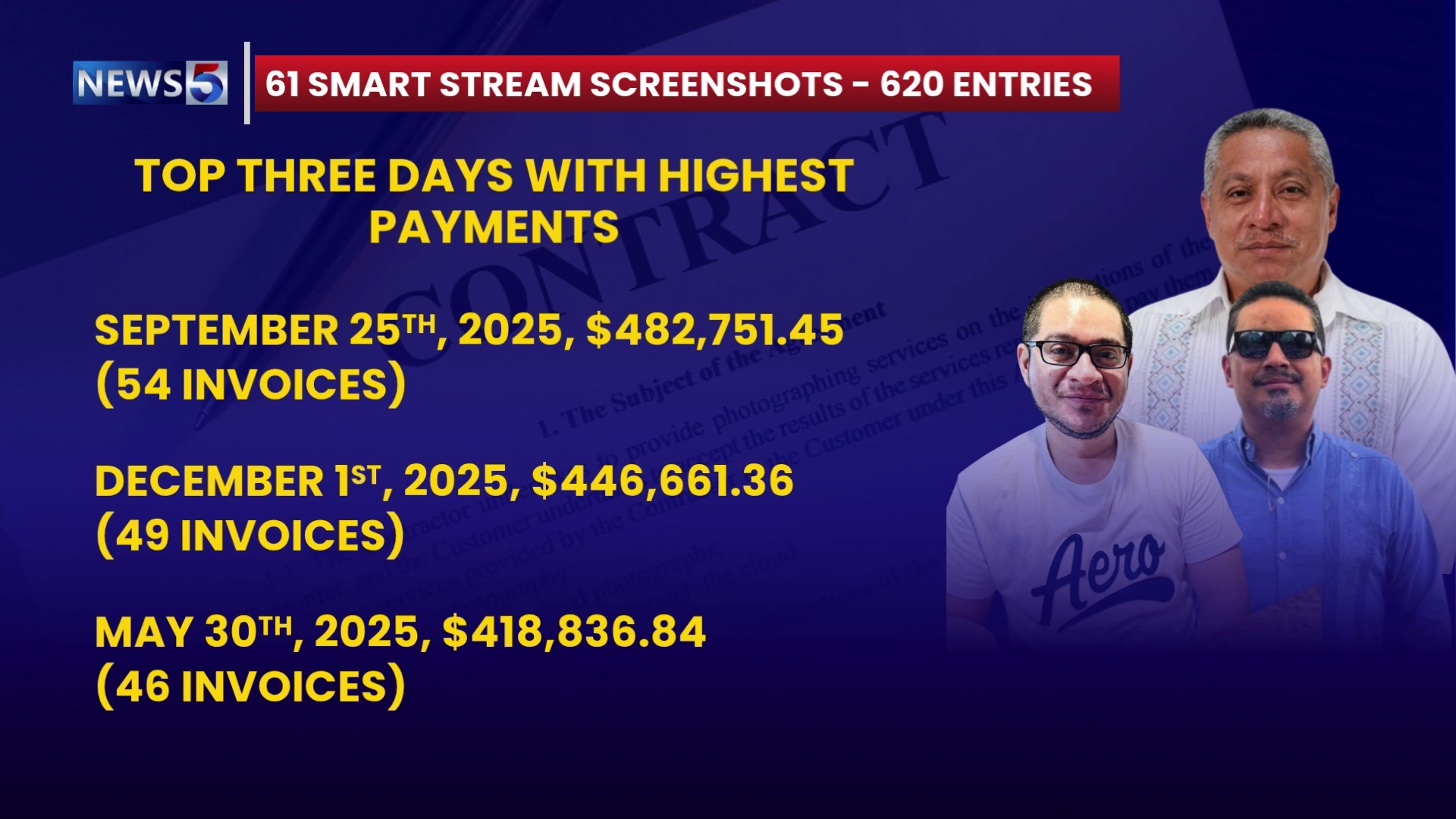
Under Belize’s existing public finance rules, all government payments follow a tiered approval structure: smaller transactions require two levels of official sign-off, while any payment exceeding a $10,000 threshold must receive a third, independent review from the Treasury Department to prevent misuse of funds. Waight confirmed that early evidence indicates a deliberate pattern of splitting large total payments into dozens of smaller individual disbursements, each just under the $10,000 cap, to avoid triggering the extra layer of oversight. Records show dozens of these sub-threshold payments to MP Farms, one of Mira’s linked businesses, were processed and approved in a single day, with hundreds more cleared over the course of one month.
Waight laid out two core possible explanations for the breakdown: either responsible officials failed to carry out their mandatory oversight duties, or there was coordinated collusion to bypass the rules. “Clearly there is a breakdown in the system. It was not intended to work this way,” he said, pushing back against claims that the batching of payments for administrative convenience was a sufficient explanation for the scale of irregularities observed.
When asked if the pattern of transactions should have triggered internal alarms, Waight responded definitively: “If you see a whole lot of payments, it should have raised alarms and it should have raised an eyebrow. I think so.” He also noted that while splitting large invoices into installment payments is allowed under policy, that justification does not hold up in this case, because all of the fragmented payments were issued on the same day—an unusual arrangement that Waight described as suspicious.
Waight stopped short of directly blaming Mira for the irregularities, noting that a full independent audit is already underway to determine individual responsibility. The audit is now focused on verifying whether mandatory individual approvals for each payment were actually completed by financial officers at the Ministry of Defense, or if the checks were skipped entirely to push the transactions through quickly. As the audit progresses, the scandal continues to tighten its hold on the Briceño administration, raising urgent questions about the integrity of the government’s public procurement and financial oversight systems.