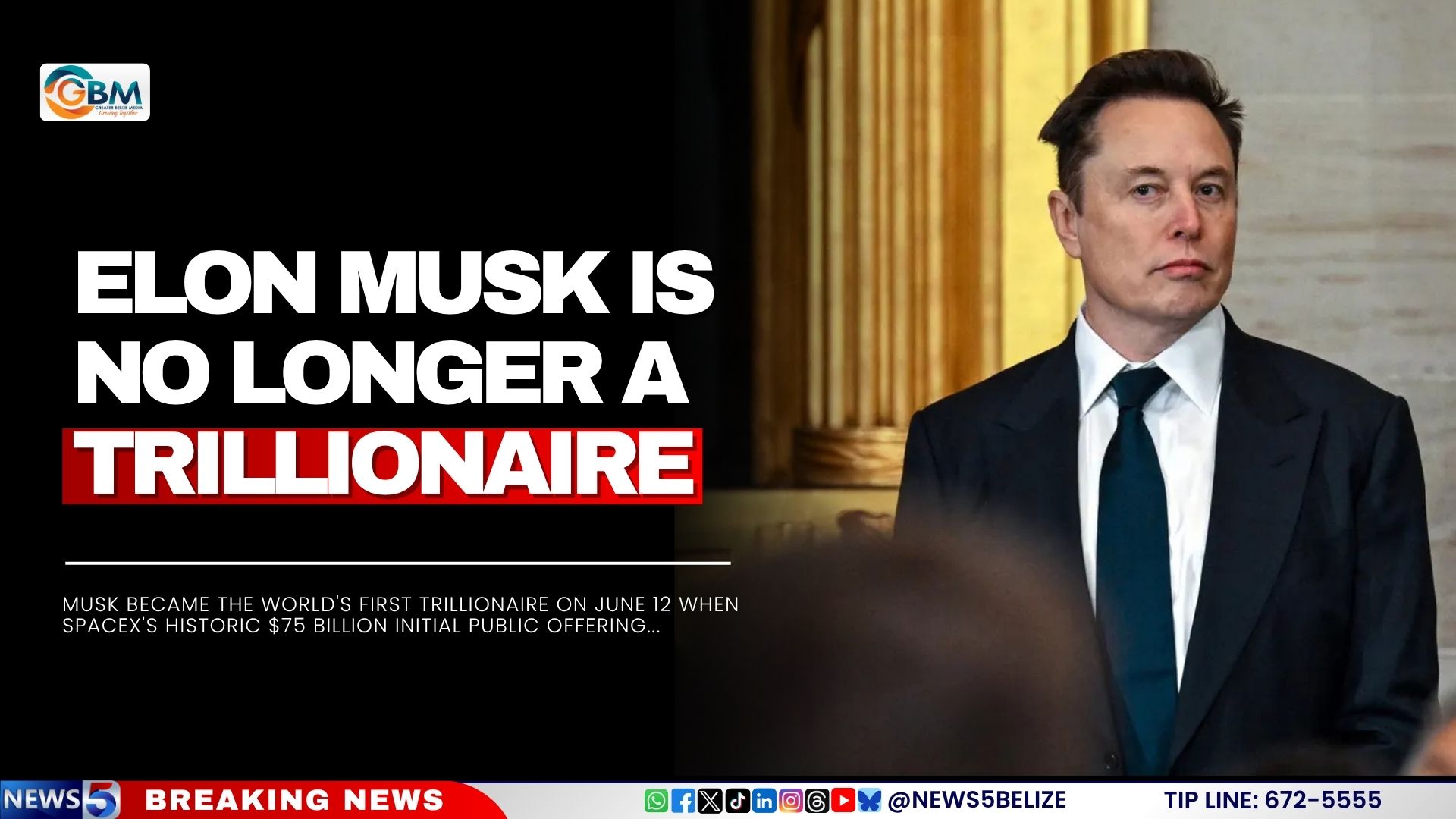
Just two weeks after making history as the world’s first person to reach a $1 trillion net worth, Elon Musk has fallen below the iconic trillion-dollar threshold, driven by a steep correction in SpaceX’s publicly traded shares and new regulatory constraints on a large block of his Tesla stock.
Musk notched his place in the record books on June 12, when SpaceX’s long-awaited $75 billion initial public offering pushed his estimated total wealth to $1.1 trillion. In the days following the IPO, roaring investor demand sent SpaceX shares climbing, pushing Musk’s peak net worth to an unprecedented $1.45 trillion earlier this month.
That momentum has reversed sharply in recent trading. From its post-IPO high, SpaceX’s stock has tumbled roughly 31 percent, wiping out hundreds of billions of dollars in the company’s overall market capitalization and carving a massive chunk out of Musk’s personal fortune. The aerospace firm makes up the largest single share of Musk’s current wealth, so its stock volatility has an outsized impact on his net worth calculations.
The drop in SpaceX valuation was not the only factor behind Musk’s fall from the trillionaire club. Last week, the billionaire surrendered $7.1 billion worth of Tesla shares to cover exercise costs for stock options granted under his controversial 2018 Tesla compensation package. After a high-profile court battle over the approval of the package, the converted shares are now classified as restricted stock. Under the terms of the agreement, Musk will forfeit these holdings if he steps down from his role as Tesla’s chief executive before January 2028, meaning they cannot be counted as fully liquid, unrestricted assets in his net worth calculation.
As of market close on Tuesday, independent estimates put Musk’s total net worth at approximately $962 billion. Even with the decline, Musk retains his title as the world’s richest person by a substantial gap, with his nearest competitor trailing by hundreds of billions of dollars.
Market analysts have long pointed out that the vast majority of Musk’s wealth is held in equity stakes in his two flagship companies, rather than cash or liquid low-volatility assets. This structure means his net worth is extremely sensitive to swings in public market sentiment, with billion-dollar gains or losses occurring in days in response to stock price moves. Many market watchers expect further volatility in Musk’s net worth going forward, as both SpaceX and Tesla continue to face shifting investor demand and industry headwinds.