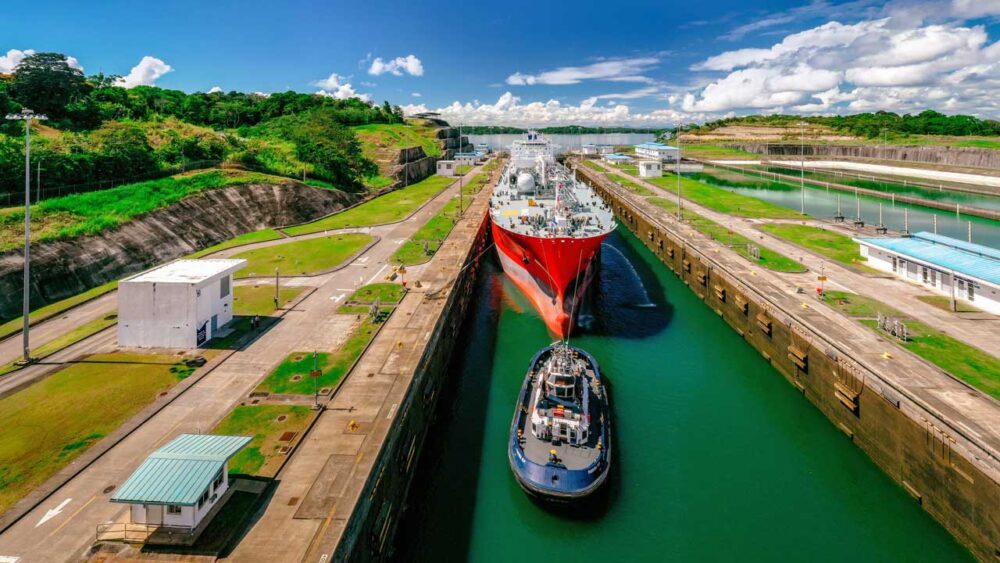
In a recent address focused on expanding regional economic integration, a prominent figure identified as Browne has laid out a compelling vision for positioning Panama as the central logistical and commercial gateway for Caribbean trade. The proposal, which draws on Panama’s already established geographic advantage at the crossroads of major global shipping lanes, argues that leveraging the country’s existing port infrastructure and strategic location could reshape how goods move throughout the Caribbean basin and beyond.
Browne notes that Panama’s role as the operator of the Panama Canal, one of the world’s most critical maritime chokepoints, already gives the country an unmatched foothold in interoceanic trade. By building on this existing foundation, Browne contends that the nation can become a hub not just for transit, but for value-added logistics, customs consolidation, and distribution services that benefit all Caribbean trading partners. The proposal also highlights the potential for reduced shipping costs, shortened transit times, and improved market access for small and medium-sized enterprises across the Caribbean region that currently face fragmented supply chain infrastructure.
Advocates of the plan suggest that developing Panama as a centralized gateway would also attract increased foreign direct investment to the broader Caribbean, stimulating job growth and economic diversification across multiple island nations. Browne has called for collaborative dialogue between Panamanian authorities and Caribbean regional trade blocs to work out regulatory alignment, infrastructure investment partnerships, and trade facilitation agreements that would turn this vision into actionable policy. While some industry analysts have noted that the plan will require coordinated investment and stakeholder buy-in, the proposal marks a significant step forward in conversations about strengthening regional economic integration in the Caribbean.