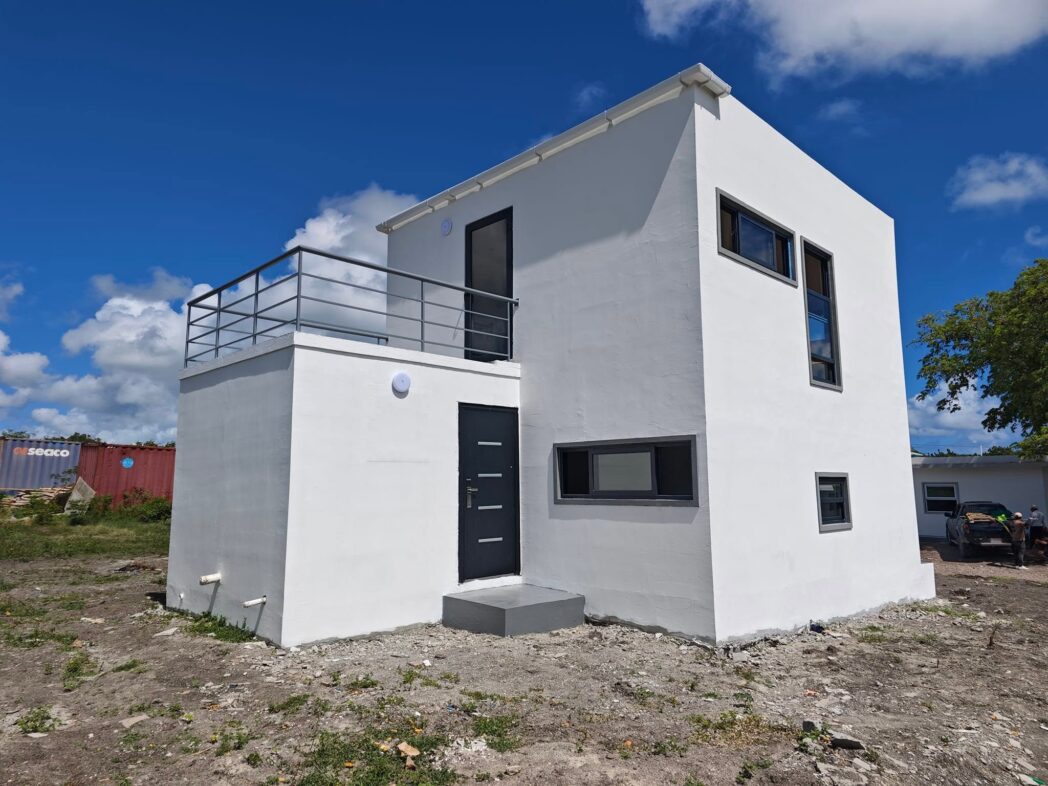
The twin-island nation of Antigua and Barbuda is advancing a bold new plan to tackle its growing affordable housing shortage, with the administration announcing a proposed $100 million housing bond to unlock large-scale construction growth. Prime Minister Gaston Browne shared details of the initiative during his regular weekly radio segment, *Browne and Browne Show*, on Saturday, outlining how the new financing would move the government closer to its 10-year target of delivering up to 500 new homes annually.
Browne confirmed that government representatives have already held preliminary discussions with the First Caribbean International Bank (FCIB) about underwriting the bond issue, which he framed as a make-or-break component of the country’s national housing expansion strategy. “Cash flow constraints are a major barrier right now, so we have engaged FCIB about floating a $100 million dedicated housing bond,” Browne stated in his address. “They are reviewing the proposal seriously, and we are hopeful for a favorable outcome.”
While the government has already delivered measurable progress through ongoing developments like the Booby Alley housing project, Browne acknowledged that two critical gaps have slowed construction momentum: limited access to large-scale financing and a nationwide shortage of skilled construction labor. To address the workforce gap, the Prime Minister added that the National Housing Development and Urban Renewal Company has already been directed to ramp up recruitment efforts to support the planned expansion of output. “We simply do not have enough skilled workers at the moment to hit our target pace,” he explained.
If approved, the $100 million bond would immediately boost annual housing production to between 300 and 400 units, putting the government on a gradual path to hit its longer-term goal of 500 new homes per year over the next decade. Browne emphasized that the 10-year target would translate to at least 5,000 new homes delivered to Antigua and Barbuda residents by 2034, a milestone he said would deliver transformative change for the country’s living standards and social mobility. Based on average household size, 5,000 new homes would lift roughly 15,000 people into quality, middle-income housing, he noted.
Demand for affordable housing in the country remains far outpaced by current supply, with Browne revealing that more than 7,500 completed applications for new housing are already waiting to be filled. Even as the government delivers new units, unmet demand continues to grow: “As soon as we complete a few hundred units, they are all occupied, and hundreds more new applications come in,” he said. This sustained unmet demand, the Prime Minister argued, confirms the urgent need for an accelerated construction program and proves that thousands of additional new homes will be occupied once completed. Officials project that the market can absorb up to 7,000 new homes in total, matching the country’s growing need.
Beyond expanding access to affordable housing, the bond initiative fits into a broader government strategy to reduce residential overcrowding, support more low- and middle-income families in achieving home ownership, and stimulate sustained economic activity across the domestic construction sector, a key driver of local employment and GDP growth.