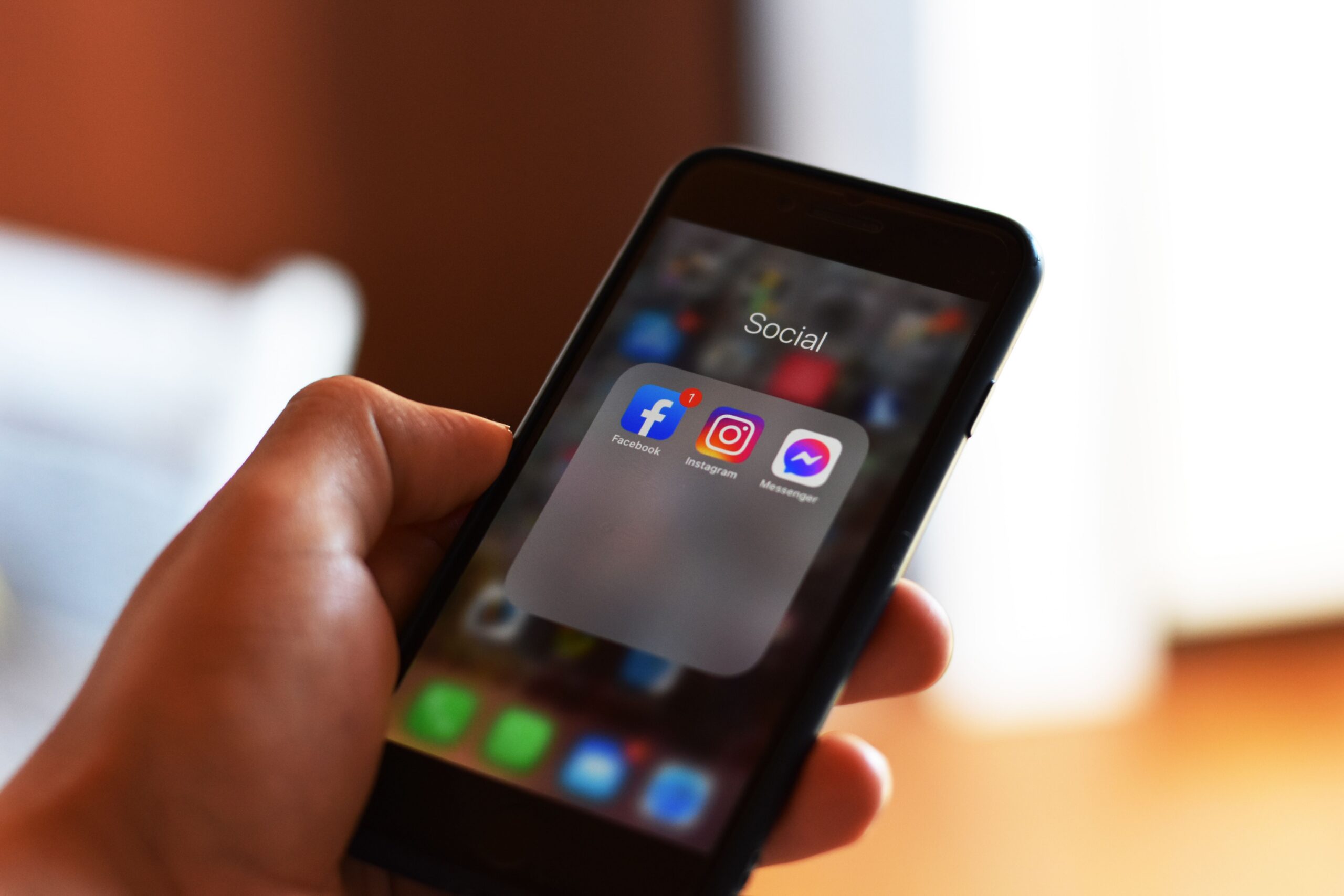
In a groundbreaking move to protect young internet users, the United Kingdom has announced plans to implement one of the world’s strictest national regulations on children’s social media access, setting a new global benchmark for youth online safety policy.
By the spring of 2027, all major social platforms including TikTok, Instagram, Facebook, Snapchat and X will be legally prohibited from allowing users under the age of 16 to create accounts and access their services, under the government’s new framework. The proposal, unveiled earlier this week by Prime Minister Sir Keir Starmer, frames the full ban for under-16s as the single most effective intervention to shield young people from online harm. To reinforce these protections, regulators are also exploring extra safeguards for 16- to 17-year-old users, including midnight-to-dawn curfews and limits on addictive features such as infinite scrolling.
The UK government has scheduled to pass all required legislation before the end of 2024, clearing the legislative path for the ban to come into force as scheduled. This policy shift comes amid mounting international alarm over the well-documented harms of unregulated social media use for children and adolescents: growing research has linked excessive consumption to rising youth mental health crises, an epidemic of cyberbullying, increased exposure to violent, explicit, or age-inappropriate harmful content, and unhealthy levels of daily screen time that disrupts sleep and academic development.
News of the UK’s ban has ignited a worldwide conversation about the appropriate role of state regulation in youth social media use, with leaders and policymakers across the globe weighing whether to adopt similar restrictive measures. In the Caribbean nation of Saint Lucia, Education Minister Kenson Casimir recently confirmed that the country has no immediate plans to follow the UK’s lead.
Casimir, who is a parent himself, noted that Saint Lucia currently has no national legislation or formal policy governing children’s social media access. In the absence of government regulation, he said, the primary responsibility for monitoring children’s online activity falls to parents and guardians. He urged caregivers to take an active role in overseeing their children’s device use, including random checks of phones to ensure that healthy boundaries and digital discipline are maintained. “We’ve not gotten to that point. We continue to appeal to each parent to govern their child,” Casimir explained, emphasizing that parental responsibility remains the core approach to online safety in Saint Lucia for the foreseeable future.
As policymakers and child safety advocates around the world continue to debate trade-offs between personal online freedom and youth protection, the UK’s upcoming ban stands as one of the most ambitious tests of government intervention in the social media space to date, with its outcomes expected to shape regulatory conversations in dozens of other countries in the coming years.