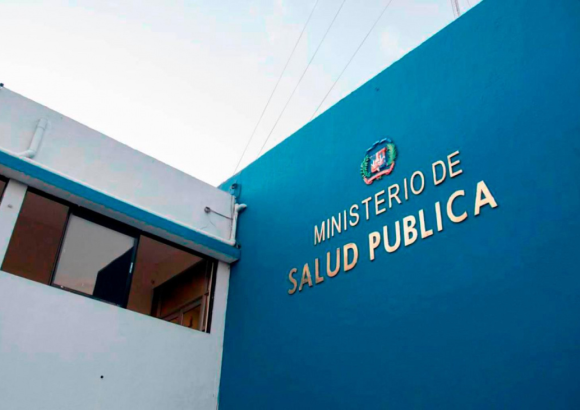
As the Dominican Republic prepares to welcome thousands of athletes, delegates, and sports fans for the 2026 XXV Central American and Caribbean Games in Santo Domingo, the nation’s Ministry of Public Health has rolled out a wide-ranging package of enhanced public health measures to protect every person attending or involved in the major international event. This ambitious preparedness push comes in response to the unique public health risks that accompany mass gatherings of international visitors, requiring coordinated action across multiple government agencies and public health institutions.
At the core of the new system is upgraded diagnostic and laboratory infrastructure at the Dr. Defilló National Public Health Laboratory. The facility has expanded its testing capacity to rapidly detect a suite of high-priority infectious diseases, including influenza, COVID-19, measles, and pertussis. It has also added permanent genomic surveillance capabilities, allowing health officials to quickly identify emerging viral variants and trace the spread of infectious agents before small outbreaks can become large-scale public health emergencies.
To strengthen broader epidemiological monitoring across the country, the Ministry has amplified active surveillance operations through its existing National Epidemiological Surveillance System (SINAVE) and General Directorate of Epidemiology (DIGEPI). High-traffic locations, including popular tourist zones, national border crossings, and major transportation hubs, now face continuous monitoring to catch unusual clusters of illness early. Health authorities have also established close cross-sector coordination with agencies overseeing aviation, migration, port operations, and tourism to ensure entry point control measures align fully with World Health Organization international health regulations.
Vaccination has also taken center stage in prevention efforts. The Ministry is currently conducting a comprehensive review and update of vaccination schedules for all participating athletes, event staff, and residents in host communities, with a particular focus on ensuring high coverage of the MMR vaccine that protects against measles, mumps, and rubella. Public health officials have reminded Dominican citizens that the country has held its official measles-free status since 2001, a critical public health milestone that requires ongoing vigilance and up-to-date immunization to maintain.
In public remarks outlining the preparedness effort, Dominican Health Minister Víctor Atallah underlined that the nation is fully prepared to host the event with a robust, well-tested surveillance and response framework, a trained public health workforce, and pre-deployed rapid response teams ready to address any emerging health emergency. Atallah noted that safeguarding public health during large-scale international events is not solely the responsibility of government agencies—it requires collective action from the public, event organizers, and participating delegations alike.
Beyond the immediate goal of holding a safe 2026 Games, the Ministry of Public Health has framed this initiative as a demonstration of the Dominican Republic’s commitment to protecting both local communities and international visitors, reinforcing the country’s reputation as a well-prepared, secure destination for global events and tourism.