Against a backdrop of escalating climate impacts that disproportionately marginalize the world’s most vulnerable nations, Antigua and Barbuda has brought its urgent call for equitable climate action to the 2026 Berlin Climate Mobility Forum, a landmark gathering that unites heads of state, policy architects, frontline community representatives and cross-sector partners to address one of the climate crisis’s most destabilizing outcomes: climate-induced human mobility. The forum provides a critical global platform for centering the voices of nations that, despite contributing almost nothing to global greenhouse gas emissions, face the most severe climate consequences.
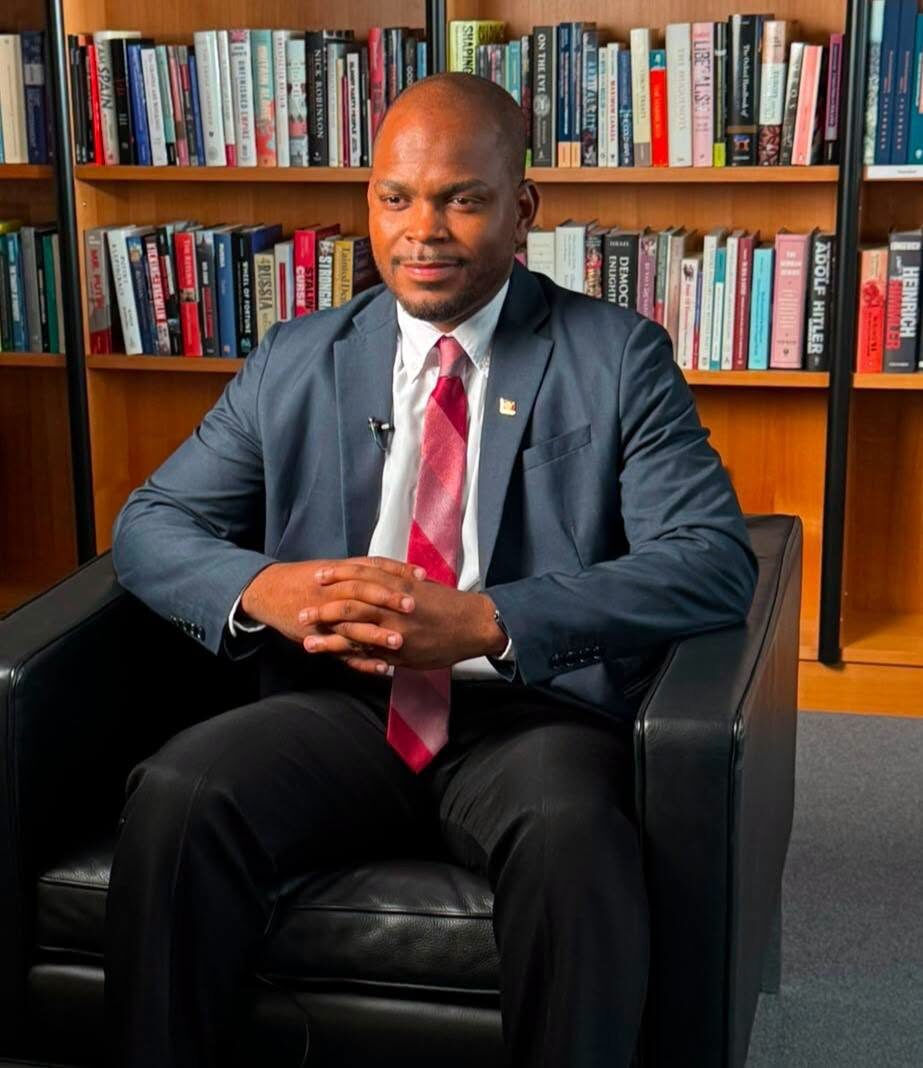
Speaking on behalf of the twin-island nation, Minister of Health, Wellness, the Environment and Civil Service Affairs Michael Joseph sat down for an interview to shed light on the distinct vulnerabilities that define Caribbean Small Island Developing States (SIDS). He framed the conversation around a core demand: immediate climate justice, fair access to climate finance, and far greater representation for climate-vulnerable nations in global climate governance processes.
In his remarks, Joseph emphasized that climate mobility policy cannot be abstracted from the people it affects. Any successful initiative to support community relocation or build adaptive capacity, he argued, must be led by the communities themselves. These efforts must prioritize the protection of unique cultural identities and ancestral heritage, and guarantee that populations on the front lines of climate change have a meaningful say in the decisions that shape their collective futures.
Drawing directly from Antigua and Barbuda’s firsthand experience with catastrophic climate disaster, Joseph pointed to the aftermath of Hurricane Irma, which left widespread destruction across Barbuda in 2017. That event, he noted, reinforced three non-negotiable priorities: intentional pre-disaster planning, continuous deep engagement with affected communities, and unwavering protection of the human rights and inherent dignity of displaced and at-risk populations.
The minister also pushed back against the common narrative that large-scale relocation is the only path forward for low-lying island states. For SIDS like Antigua and Barbuda, the top priority is not moving entire populations, but building sufficient resilience to allow communities to remain on their ancestral lands. This priority aligns with the recently adopted Global Principles for Addressing Climate Mobility, which explicitly enshrine protection for the “right to stay” while also creating space for safe, dignified mobility options when relocation becomes unavoidable.
At the core of Antigua and Barbuda’s message to the forum is a non-negotiable demand: climate-vulnerable nations must have a meaningful seat at global decision-making tables. Joseph stressed that despite Antigua and Barbuda’s negligible contribution to global carbon emissions, the nation remains among the most at risk from accelerating sea level rise, more frequent and intense tropical storms, and worsening climate-related disruptions. As he put it plainly: “We’re not asking because we’d like to have a seat. We’re asking because we need a seat.”