Residents and commercial operators across the Caribbean island nation of Saint Lucia are bracing for higher water and sewerage bills after the country’s National Utilities Regulatory Commission (NURC) gave formal approval to a revised tariff schedule for the Water and Sewerage Company (WASCO). The adjusted rates will not take effect until the June 2026 billing cycle, with incremental increases rolled out gradually over a 24-month period to soften the financial impact on consumers.
Regulators framed the price adjustment as a critical intervention to shore up WASCO’s long-term financial viability, fund overdue infrastructure upgrades across the island’s water distribution network, and ensure the utility can continue delivering reliable basic services to all Saint Lucians.
To protect low-volume residential users, the base rate for households consuming up to 2,000 gallons per billing cycle will remain unchanged at Eastern Caribbean $24.42. Higher consumption brackets, however, will see incremental cost hikes over the two-year phase-in period. For residential users using between 2,000 and 3,000 gallons per cycle, the current rate of $12.21 per 1,000 gallons will rise to $16.77 when the new scheme launches in June 2026, before increasing again to $23.03 in January 2027. For heavy users consuming more than 3,000 gallons per cycle, the rate will climb from the current $24.92 per 1,000 gallons to $34.23 in 2026, reaching $47.00 in 2027.
Non-residential customer groups will also face rising costs, with staggered increases varying by sector. Commercial enterprises and government agencies will see a cumulative 37.34% rate hike over the phase-in period, while hotels and maritime boat operators will face a steeper cumulative increase of 76.17%. Sewerage service rates will follow the same phased adjustment model, with hotels again shouldering a larger percentage increase than all other customer categories.
The NURC’s approval comes after months of public consultation held earlier this year, where WASCO made the case that its existing tariff structure was no longer sufficient to let the utility meet its core service obligations. The company highlighted mounting operational pressures including spiking global energy costs, decades of underinvestment in aging water and sewer infrastructure, and growing consumer demand for improved service quality.
During public input sessions, many stakeholders acknowledged that urgent investment in Saint Lucia’s aging water distribution network was unavoidable. However, broad public support for the tariff adjustments was tied directly to concrete promises of tangible service improvements. Consumers raised repeated concerns about the island’s longstanding issues with intermittent water supply, a lack of transparency and accountability from the utility, and the need to deliver measurable upgrades to service reliability after price increases go into effect.
In its formal order approving the new tariffs, the NURC outlined clear performance expectations for WASCO. The regulator is requiring the utility to boost operational efficiency, cut down on costly non-revenue water losses that have plagued the island’s system, improve customer complaint resolution processes, strengthen internal governance and accountability, and deliver more consistent, reliable water access across Saint Lucia.
To ensure the company fulfills these commitments, the NURC announced it will put in place formal monitoring and enforcement mechanisms throughout the duration of the new tariff schedule, holding WASCO accountable for meeting its performance targets.
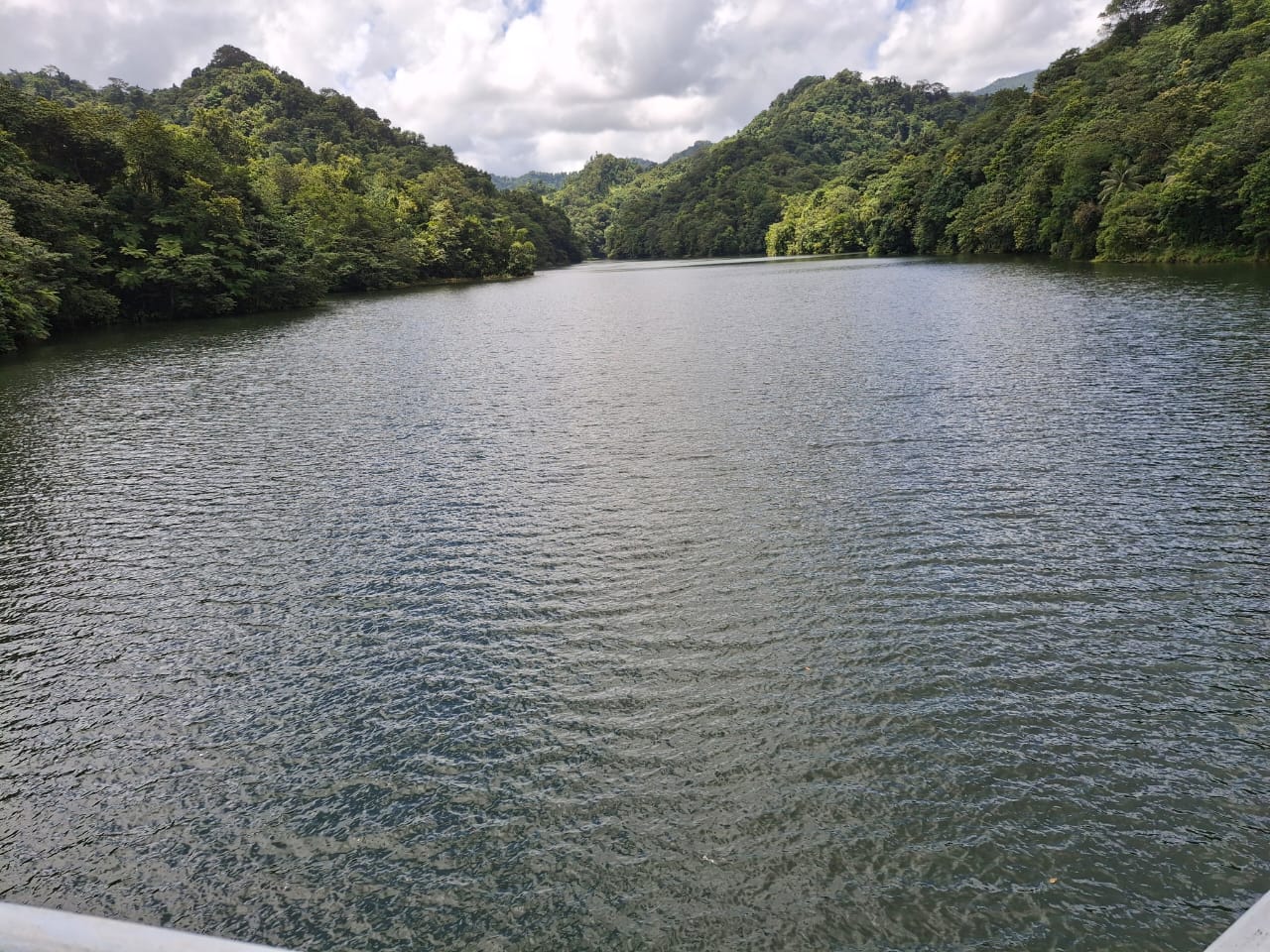
A portion of the additional revenue generated by the tariff hikes will be allocated to the high-priority John Compton Dam Raw Water Pipeline Project, a major initiative that will replace and upgrade critical segments of Saint Lucia’s core water transmission system. All funds earmarked for this infrastructure upgrade will be held in a dedicated, segregated account, with ongoing oversight from the NURC to guarantee the resources are used exclusively for their intended purpose.