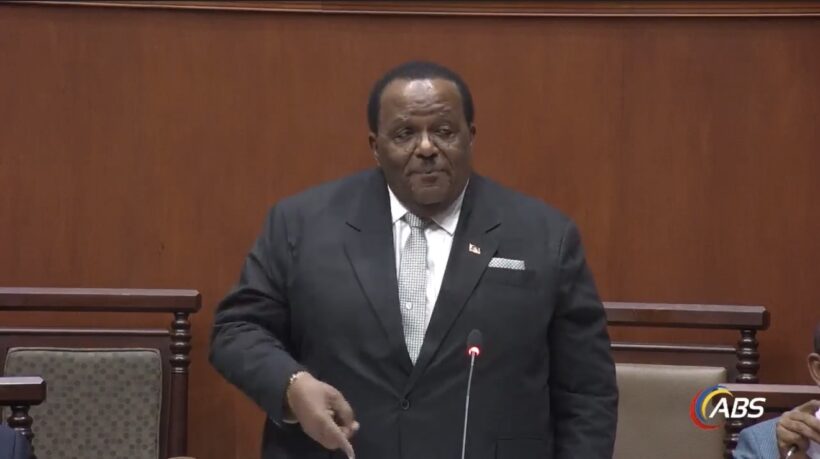
In a routine but significant legislative sitting Tuesday, Antigua and Barbuda’s House of Representatives has formally approved resolutions to ratify amendments to the Constitution of the International Labour Organization (ILO), cementing the small island nation’s longstanding dedication to the UN body’s global mission of advancing fair labor standards and fundamental workers’ rights across the world.
The ILO constitutional amendments are not isolated changes: they form a years-long global effort to overhaul and modernize the organization’s internal governance framework. The updates are designed to ensure the ILO’s decision-making procedures accurately reflect two key shifts in the modern global landscape: the evolving needs of a rapidly changing global workforce and the organization’s expanded roster of member states.
Unlike most other agencies within the United Nations system, the ILO operates on a distinctive tripartite governance model that requires equal input from three stakeholder groups: national governments, employer associations, and organized worker representatives when developing international labor standards and policy frameworks. For Antigua and Barbuda, continued full participation in this structure has remained a priority as the country works to strengthen its own domestic labor protections, update workplace safety guidelines, and refine national employment policies, government representatives told lawmakers during the sitting.
Government officials emphasized that Antigua and Barbuda’s vote in favor of the amendments sends a clear message of the nation’s unwavering commitment to upholding international labor norms, advancing global social justice, and upholding collaborative action through multilateral institutions. The ratification also ensures the country remains aligned with the governance reforms adopted by the broader ILO membership and preserves its active standing within the global labor governance system.
The ILO amendments were just one component of a broader package of international agreements brought before parliament for ratification during the session. Lawmakers also signed off on protocols tied to the International Civil Aviation Organization, a reciprocal visa exemption agreement with the United Arab Emirates, and new international agreements centered on cross-border financial information exchange. None of the resolutions, including the ILO amendments, required extended debate before being approved.
Officials noted that continued active engagement in multilateral bodies like the ILO delivers dual benefits for Antigua and Barbuda: it gives the nation a voice in shaping global labor policy conversations, while also opening access to valuable technical assistance, evidence-based best practices, and collaborative problem-solving on pressing labor-related challenges facing the country. Following parliamentary approval, the amendments will now move through the final stages of the domestic ratification process, consistent with Antigua and Barbuda’s obligations under international treaty law.