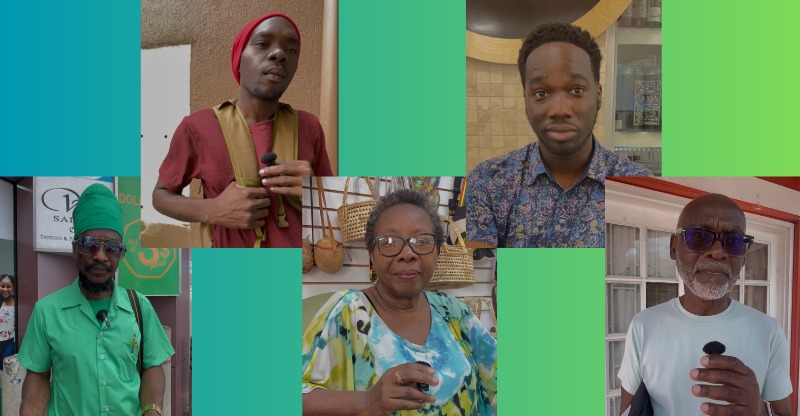
Just days after Barbados’ latest digital payment infrastructure BiMPay made its official debut, public opinion across the island has fractured sharply, with residents debating whether the platform will redefine the future of commercial transactions or remains a confusing service that many have yet to fully grasp. While early adopters have already praised the platform for its unmatched convenience in cross-bank instant money transfers, a significant share of the public is taking a wait-and-see approach. Many of these observers question whether the tool aligns with their unique daily needs, while advocates warn that marginalized and vulnerable populations must not be sidelined as the country transitions to more digital financial services.
Katelia Murrell is among the first users fully won over by BiMPay’s functionality, saying it resolves a longstanding hassle she encountered regularly when sending money. “It’s noticeably more convenient for people like me who need to send funds to contacts that don’t share the same bank provider,” Murrell explained. She already tested the platform just one day after it launched, noting that “I used it once literally last night, and it was honestly incredibly straightforward to use.”
What left the strongest impression on Murrell was the unprecedented processing speed. “The platform said it would take 10 seconds, but I swear the transfer went through even faster than that,” she said. “When we tested the reverse transaction, where the recipient sent money back to me via the platform’s QR code feature, everything worked perfectly without any glitches.”
For self-employed worker Shaquille Hewitt, BiMPay offers a promising solution to the constant frustrations he faces when receiving customer payments. “As someone who works for themselves, it’s always been a headache dealing with cross-bank transfers or checks drawn on institutions other than my own,” Hewitt said. “I’m optimistic this platform will streamline that whole process and make it far less stressful.”
Other residents welcome the government’s push for digital financial innovation but have emphasized that policymakers must prioritize inclusion as Barbados expands its digital transaction ecosystem. “There need to be alternative options for people who can’t use BiMPay, especially older adults who don’t have digital literacy or people who don’t own a compatible smartphone,” said Holford Walrond. “Everyone needs to be able to access their money easily, that’s my main concern. Even though I support what the government is trying to do, keeping choice available to consumers is absolutely essential. If the government sees this as the right path forward for Barbados, that’s fine, they’re making a good effort to modernize our financial system. But I still firmly believe people should get to choose how they manage their money.”
Rico Simpson, who has already completed the sign-up process and is preparing to activate his account, says BiMPay clears key hurdles that limit existing digital payment services. “I already signed up for BiMPay, I just haven’t activated it yet,” Simpson said. “I chose to join because I see it as a really convenient way to send transfers, similar to CIBC First Pay, but with much more flexibility. With that existing service, you have to be a CIBC customer and have your cell number linked to the account to use it. But with BiMPay, you don’t even need a traditional bank account number to use it — you can hold all your funds directly in the BiMPay app itself, which I think is a big advantage.”
For Joseph Cummins, the main barrier to adoption is not opposition to digital innovation, but a lack of clear personal understanding of how the service would work for him. “It’s hard for me to wrap my head around it right now because I haven’t gotten the chance to dive into the details yet,” Cummins said. “The information is out there, but I need to do my own research to figure out how it fits into my own financial life, especially how it interacts with the banking services I already use to manage my money.”
Even so, Cummins acknowledges that BiMPay carries meaningful broader benefits for Barbados’ financial inclusion. “People who operate outside the traditional formal banking system will get an opportunity to join the formal financial ecosystem and use that access to improve their lives,” he noted. Still, he remains unsure whether the platform will lead him to change his own long-standing money management habits. “I keep wondering how it will affect me at my age, since I’m pretty set in my ways and only really use my current bank for things like paying bills. The big question for me is: does this actually impact my daily life? Will it make sense for me to change my habits to start using it? Right now, that’s still unclear to me.”
At Bridgetown’s Pelican Village craft hub, Sandra Padmore, owner of souvenir business Nafai Creations, says her customer base makes her decision to adopt BiMPay far from straightforward. “I’m still thinking it over, I haven’t tried it out yet,” Padmore said. “My main question is that my shop caters almost entirely to tourists. If BiMPay is mostly built for local users, I’m not sure it makes sense for me to adopt it. We barely get local customers coming through these souvenir shops, so that’s got me a bit confused. Most tourists pay with credit or debit cards anyway, and I already have a card terminal set up. I just need more clarity on how this would benefit my business specifically.”
Barbados Prime Minister Mia Mottley has emphasized that BiMPay was designed specifically to serve small business owners and informal vendors, creating a faster, more inclusive system for sending and receiving payments across the island. But on the streets of Bridgetown, as vendors and everyday residents weigh whether to add the new platform to their financial tools, the debate has less to do with the technology itself and more to do with core tradeoffs: convenience against long-held familiarity, innovation against broad accessibility, and whether a system billed as the future of payments can actually work for every single Barbadian.