Against a backdrop of growing global alarm over rising childhood obesity and diet-related chronic illness, public health advocates in Barbados are celebrating a landmark shift among domestic beverage producers, who have recently rolled out a wave of reduced-sugar and no-added-sugar product lines as a critical win for population health.
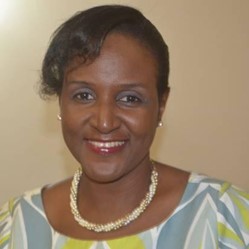
Francine Charles, programme manager for the Childhood Obesity Prevention Coalition, told local outlet Barbados TODAY that civil society health groups have widely praised the industry reformulation trend that has unfolded over the past several months. One major local producer, Pine Hill Dairy, has expanded its portfolio to add two new lines: a reduced-sugar range and a 100% fruit juice line, both of which carry no added sugar and no artificial preservatives. Several other local beverage distributors have followed suit, updating their own product catalogs to include more low-sugar options for consumers.
This industry shift marks exactly the outcome health advocates have pushed for through years of policy advocacy, Charles explained. A key policy driver behind the change, she noted, was the recent government decision to raise the excise tax on sugar-sweetened beverages to 20%. Contrary to common criticism that such taxes exist solely to boost government revenue, Charles emphasized that the policy’s core goal was always to incentivize manufacturers to reformulate their products to fall below the sugar threshold that triggers the tax. “We were very happy to see that because the intent was not necessarily to be taxing companies but encouraging reformulation so that the sugar content of drinks comes below the tax bracket,” she said.
Progress has also been made through the country’s national school nutrition policy, which has gradually tightened restrictions on the nutritional content of foods and beverages sold to students on school grounds. Under current rules, all beverages available in schools must be free of added sugar and artificial sweeteners. Rather than push back against the regulation, beverage companies have adapted by developing a range of compliant, healthier alternatives including sugar-free water-based drinks and milk-based products, alongside healthier imported options that meet the policy’s standards. Charles credited productive collaboration between the Ministry of Education Transformation and private industry for this successful outcome, noting that civil society groups are encouraged by the pace of change so far and hope to see more industry action in the coming years.
Even as advocates celebrate these incremental wins, Charles warned that Barbados still faces steep, systemic challenges in bringing down population obesity rates, especially among children and adolescents. The most recent national data, collected in 2022, puts Barbados’ childhood obesity rate at 42%, and it remains unclear whether current public health interventions are robust enough to reverse this alarming trend. “I’m not sure that we have done enough as a society,” Charles said. “The policies have probably not been enforced as strongly as we could, and education has to be massive to really touch every single household in Barbados.”
She is calling for two key next steps to address the gap: more rigorous enforcement of existing public health and nutrition policies, and a far expanded public education campaign to help households across the country adopt and sustain healthier dietary habits. Looking ahead, Charles revealed that civil society groups are currently finalizing new policy proposals to tackle another major barrier to healthy eating in Barbados: the high cost of nutritious food. The Food and Agriculture Organization (FAO) has previously flagged that healthy diets are disproportionately expensive in Barbados and across the Caribbean region, putting them out of reach for many low-income households. The coalition is studying global best practices and consulting with public health and policy experts to develop evidence-based recommendations that will lower the cost of nutrient-dense foods and expand access to affordable healthy options for all Barbadians. The proposals will be presented to government officials for discussion in the coming weeks.