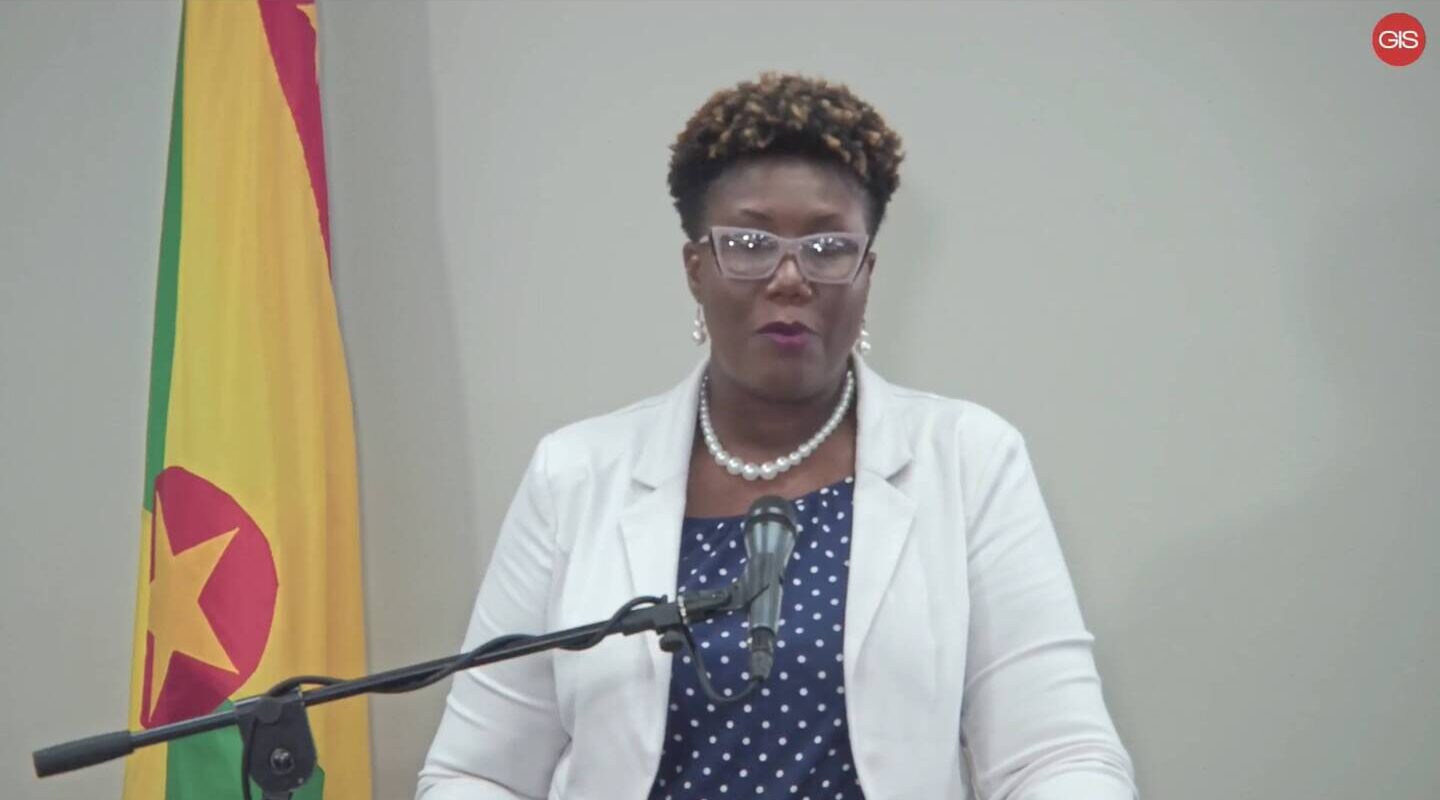
A public dispute over persistent teacher salary delays has emerged in Grenada, after the president of the Grenada Union of Teachers (GUT) accused the Ministry of Education of failing to resolve long-standing payment irregularities for the country’s educators. In an official response delivered at a post-Cabinet press briefing this Wednesday, Permanent Secretary for Educational Administration Lorraine St Louis-Nedd pushed back on the criticism, reaffirming that the government views teachers as a core priority and is working aggressively to clear all outstanding pay issues.
The conflict centers on a list of affected educators submitted by GUT to the ministry on May 19, 2026, which identified 17 teachers experiencing salary gaps between September 2025 and April 2026. St Louis-Nedd clarified a key detail that counters initial framing of the issue: none of the teachers on the list have been completely removed from the national payroll, and all currently receive regular pay. The problems instead involve missed installments or partial payments across specific pay cycles.
After receiving the GUT’s submission, the Ministry of Education launched a full joint audit with the Ministry of Finance, the Accountant General’s Division, and local financial institutions to resolve each case. By the time of the briefing, 11 of the 17 flagged issues had already been fully resolved, with six of those settled before the union formally submitted its list. Four additional cases are currently in active processing and are projected to be finalized during the first June pay cycle. The two remaining cases involve more complex administrative errors, but officials expect to clear those by the end of June.
St Louis-Nedd explained that salary processing is a multi-agency responsibility in Grenada, meaning the Ministry of Education does not directly issue teacher pay. The appointment and payroll workflow also involves the Department of Public Administration, the Public Service Commission, and the Ministry of Finance, creating multiple points where errors can occur. The audit identified four main root causes for the delays: incorrect banking information leading to misdirected payments, administrative backlogs in processing new appointments, technical system errors, and incorrect salary classification that placed educators on the wrong pay grade.
Four of the outstanding cases stemmed from payments sent to incorrect bank accounts, a mistake that can happen either from data entry errors or inaccurate information submitted by the employee. Recovering misdirected funds requires coordination between the Accountant General’s Division and local banks before a corrected payment can be issued to the affected teacher. St Louis-Nedd highlighted one particularly complex case where a misdirected payment was spent by the unintended recipient, who could not be immediately located to recover the funds, leading to extended delays.
Beyond the 17 cases flagged by GUT, the ministry also acknowledged that six new teachers hired earlier in 2026 have not yet begun receiving salaries. St Louis-Nedd confirmed that all required processing steps are underway, and those educators can expect to receive their first pay checks this month.
The briefing also addressed the rollout of a recently negotiated 4% salary increase for all teachers, agreed to as part of a collective bargaining agreement signed in March 2026. The increase was originally scheduled to take effect in January 2026. To date, payroll records show that only one teacher has not yet received the base pay increase, which is expected to be issued in the next pay cycle. Forty-seven teachers are still waiting for retroactive pay covering the period from January to the present, out of a total of nearly 1,700 teachers across the system. All of those outstanding retroactive payments are projected to be settled by the end of June.
To prevent similar delays from occurring in the future, the government has introduced two new procedural changes. The Ministry of Education has launched a dedicated Employee Payroll Issue Reporting Form, which allows teachers to submit claims of pay discrepancies directly via email to a dedicated ministry inbox, where specialized staff will review claims and provide regular status updates. The Ministry of Finance has also added a new bank account validation requirement for all new appointments and requests to change banking details. Employees must now submit official bank documentation that includes their full name, address, and active account number; teachers with online banking can submit downloaded account information instead of visiting a bank branch in person to get physical documentation.
Looking forward, St Louis-Nedd said the ministry has secured Cabinet support to work across relevant government departments to streamline end-to-end administrative workflows, specifically targeting long delays that have historically affected the pay of newly hired and reappointed teachers. “Historically, lengthy delays for new entrants to the profession were accepted as the norm, but that is clearly no longer acceptable,” she stated.
The ministry concluded by emphasizing its commitment to supporting Grenada’s teaching workforce, noting that educators are central to the country’s long-term national development. Officials reiterated that they are on track to resolve every outstanding salary issue within the announced timelines, and the new reporting and validation processes will reduce the frequency of future pay irregularities.