On June 11, 2026, what began as a routine education assignment for a News Five reporter became an on-the-ground chronicle of a sudden national weather emergency in southern Belize’s Stann Creek District. Reporter Shane Williams originally set out to cover the official opening of a new training facility at the Stann Creek Institute of Technical and Vocational Education and Training (ITVET), an event scheduled to feature a keynote address from Minister of State Dr. Louis Zabaneh. But overnight torrential rain upended every planned schedule, transforming a soft news story into a first-hand account of flood-driven survival.
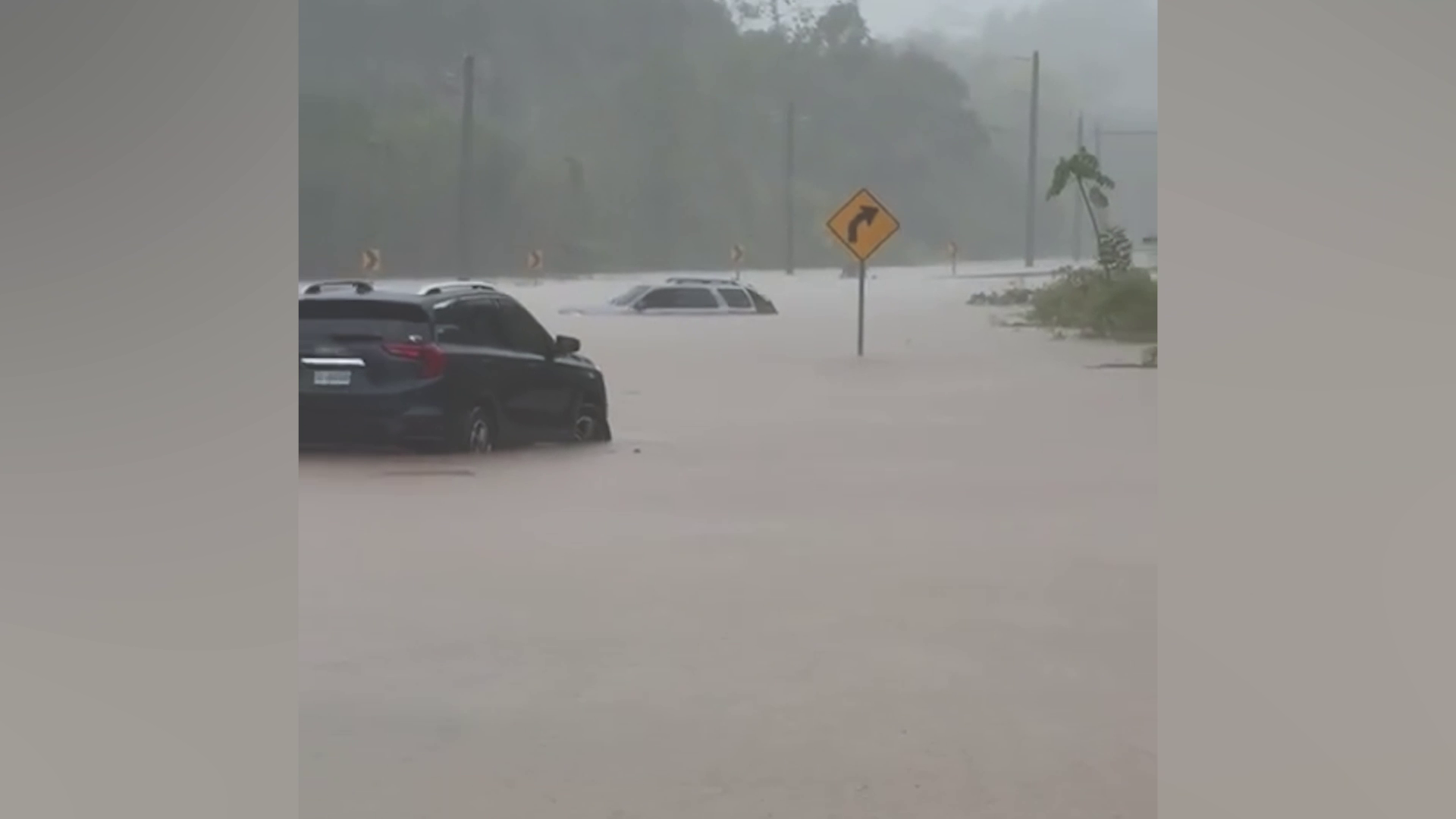
Before the sun rose over the district, social media platforms erupted with user-generated footage showing passenger vehicles stranded in waist-deep floodwaters along the Coastal Highway, the primary route south to Stann Creek. Williams’ team immediately adjusted their travel plans, departing earlier than scheduled and rerouting to the longer inland Hummingbird Highway. As the team traveled, new urgent updates emerged: Stann Creek West Area Representative Rodwell Ferguson posted a public call for rescue for Augustine Cho, a local farmer stranded on his property as floodwaters rose rapidly across the Stann Creek Valley. By the time the reporting team reached Belmopan, footage had already circulated showing evacuations of Mennonite communities in the valley’s most flood-prone lowlands.
After navigating a multi-hour internet blackout through the Hope Creek section of the Hummingbird Highway, the team received official confirmation that the ITVET opening had been canceled due to unsafe conditions. Less than two miles further along the route, the team encountered Dr. Zabaneh, the keynote speaker they had traveled three hours to interview, standing on the shoulder of the highway alongside dozens of stranded commuters, monitoring the rising floodwaters.
“The water has pulled back slightly over the last hour,” Dr. Zabaneh explained to the reporter on site. “Local police have been incredible, they’ve been posted here blocking incoming traffic to prevent more people from getting stuck. Earlier, only large trucks and high-clearance pickups could make it through. You can see what just happened back there: a bus driver got too close to the shoulder, the water pushed the rear of the bus off the pavement into the ditch. Thankfully, everyone on board escaped unharmed. We’re holding traffic here now, only allowing large, capable vehicles through.”
With the route south completely impassable, Williams’ team turned back toward Belize City, but first stopped to document the unfolding crisis in the Mountain View Mennonite community, one of the hardest-hit settlements in the Stann Creek Valley. Community leader John Penner described the terrifying speed of the flood’s rise overnight.
“It just rained and rained all night long,” Penner recalled. “We were watching and wondering if the water would come for us, and then it rose so fast – faster than anyone expected. We were scrambling to secure our belongings, before rescuers arrived with motorboats to evacuate all of us across to higher ground.”
On the return journey, the team caught up with Ferguson, who was traveling door-to-door across flooded villages to assess damage and check on stranded residents. Ferguson provided an update on the stranded farmer Augustine Cho, explaining that Cho had stayed on his farm overnight to care for a group of young piglets, and became trapped when waters cut off his exit. After Ferguson put out a public call for rescue on social media, a local boat owner from Pomona responded to pull Cho to safety.
“He ended up climbing a tree to stay above the water, but he made sure he got all three of his young pigs out safe too,” Ferguson said. “The good thing about flooding in the Stann Creek Valley is that it only stays as long as the rain keeps falling. Once the rain stops, the water drains away really quickly.”
By mid-afternoon, unofficial reports indicated that floodwaters along the original Coastal Road route had dropped significantly, leaving only scattered debris, damaged pavement and a closed sign at the Gales Point junction. The team decided to attempt the crossing back to Belize City along that route, but hit another wall at the 16-mile marker, where floodwaters stretched across the entire roadway, reaching nearly two feet deep. A brief attempt to cross confirmed that the conditions were too dangerous, forcing the team to retreat back to the Hummingbird Highway once again.
In a separate on-site report, News Five confirmed that floodwaters across the Hummingbird Highway had brought all regional traffic to a complete standstill, disrupting travel for teachers heading to work, students traveling to class, and families and visitors crossing the district. Stranded commuters told reporters that the sudden flood had completely upended their daily schedules, leaving them with no option but to wait out the rising waters.
In his closing sign-off, Williams noted that the team did eventually reach the Stann Creek ITVET campus, but what began as a story about educational development had transformed into an intimate, first-hand look at the growing threat extreme weather poses to communities across Belize. This report is a transcript of an evening television newscast prepared for online publication.