For any evolving nation, the dual pillars of seasoned institutional wisdom and fresh, diverse representation form the backbone of sustainable progress. Antigua and Barbuda stands as a testament to this truth, having long reaped the rewards of dedicated service from veteran leaders who have steered the country through decades of growth, upheaval, and systemic transformation. Across party lines, these senior statespeople have built and strengthened the nation’s democratic institutions, shaped its positive regional and international reputation, and continue to contribute critical insights that anchor national development. Their decades of accumulated expertise in policy design, legislative drafting, diplomacy, public administration, and governance remain an irreplaceable national asset.
There is no denying the foundational value of experience, institutional memory, and policy continuity. No country can navigate the complexities of 21st-century national and global challenges effectively without leaders who understand its unique history, have learned from past mistakes and triumphs, and carry the practical know-how to guide decision-making. The hard-won wisdom of long-serving public officials creates the stable foundation that supports consistent, long-term national growth.
Yet, visionary leadership does not stop at honoring legacy. It also prioritizes creating space for the next generation to step into governance, recognizing that intergenerational collaboration, rather than replacement, drives collective success. The most resilient, forward-thinking societies prioritize intentional mentorship that lets experienced leaders pass knowledge to emerging participants, who in turn bring new energy, perspectives, and skills to build on existing progress. Young people do not erase the work of previous generations; they expand it with their own unique strengths shaped by the modern world.
Today’s youth in Antigua and Barbuda have grown up in an era of unprecedented global connectivity, with instant access to digital technology, cross-cultural information, and global perspectives that no prior generation has enjoyed. This background has positioned them as natural leaders in innovation, grassroots advocacy, community organizing, and modern digital communication — skills that are increasingly critical to addressing contemporary national challenges.
In recent years, Antigua and Barbuda has made notable strides in expanding representation for two historically underrepresented groups: women and young people. Increasing the participation of these groups does more than advance equity; it directly improves governance by bringing a wider range of lived experiences and perspectives to policy debates and national priority-setting.
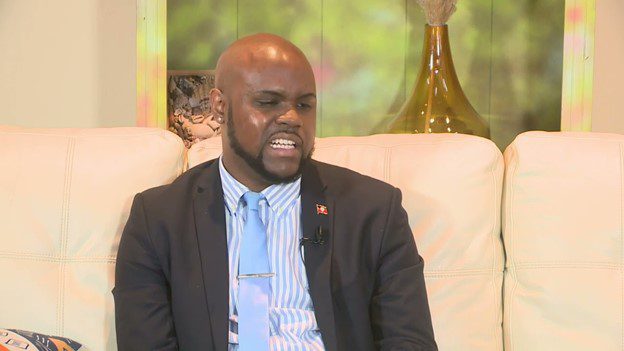
Recent shifts within the country’s political landscape reflect this encouraging momentum. Three key developments stand out: the appointment of the youngest senator in Antigua and Barbuda’s history, a growing share of women holding Senate seats, and the election of an additional woman to the House of Representatives. Each of these changes marks meaningful, tangible progress toward more inclusive governance.
This progress does not happen by accident. It is the result of intentional commitment from the Prime Minister, sitting policymakers, and national stakeholders who recognize that investing in people — and building clear pathways for underrepresented groups to enter leadership — is an investment in the nation’s future. Equally important, these developments send a clear, powerful message to young people and women across Antigua and Barbuda: their voices belong in leadership, and their contributions to national development are valued.