Against a backdrop of alarming surges in gun-related homicides and a crippling backlog of unresolved firearm cases, the Barbadian government tabled a landmark piece of legislation on Tuesday that will reshape the nation’s judicial landscape: the creation of a specialized Firearms Division within the High Court, commonly referred to as dedicated gun courts, designed to fast-track the adjudication of gun offenses.
The legislative proposal, an amendment to the existing Supreme Court of Judicature Act, not only formalizes the establishment of the new standalone division but also expands the country’s judicial workforce to ensure consistent, rapid processing of cases. Under the restructured framework, two separate court dockets will be launched to target distinct pressure points in the nation’s criminal justice system. The first will exclusively preside over all new firearm charges filed from January 1, 2024 onward, while the second dual-function court will prioritize chipping away at the growing backlog of older, unresolved gun-related cases that have clogged the court system for years.
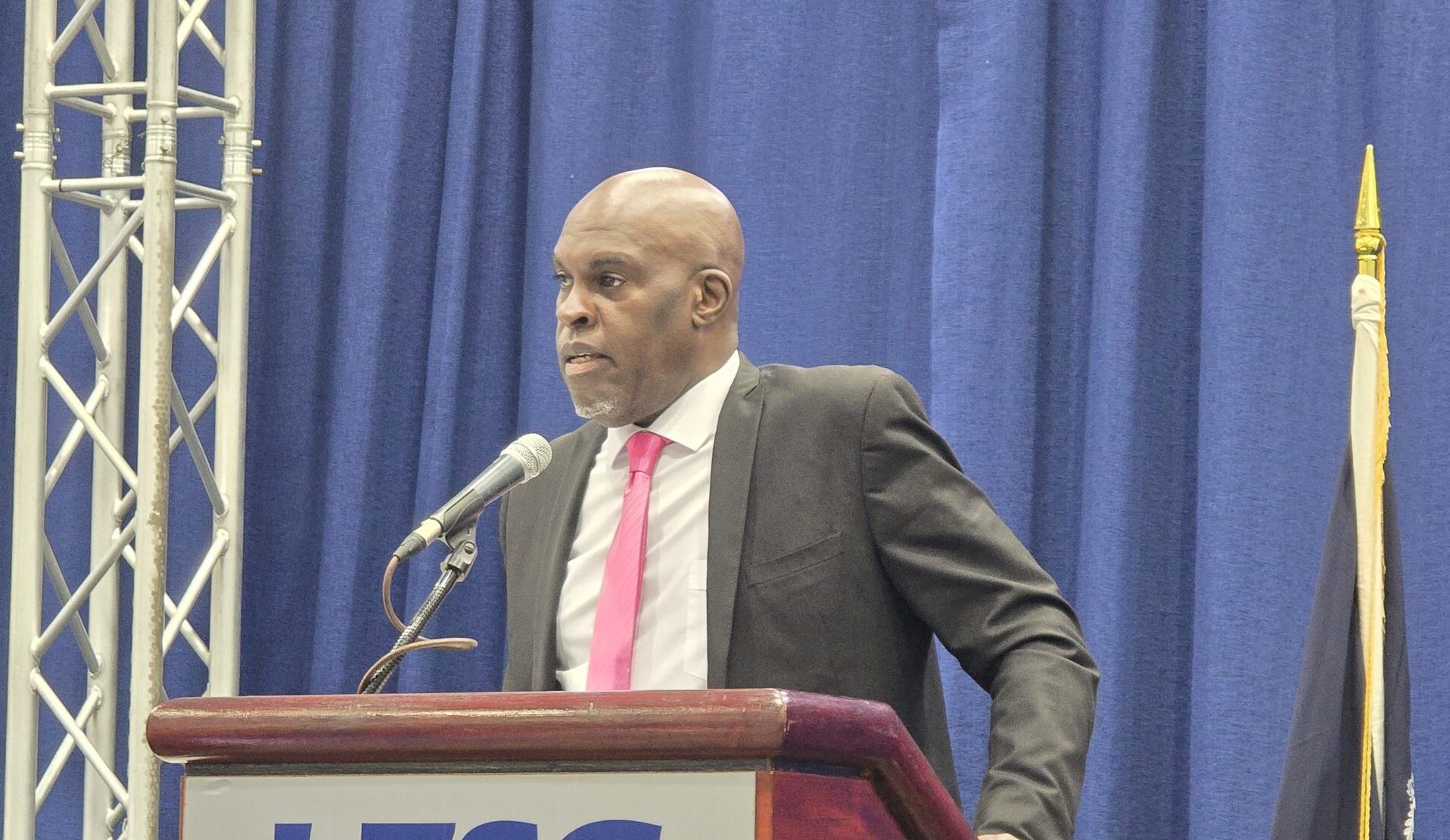
While moving the bill’s second reading before the House, Minister of Legal Affairs and Criminal Justice Micheal Lashley framed the amendment as a historic shift for Barbados’ judiciary. Prior to this reform, the High Court only maintained general divisions for civil, criminal, commercial, and family legal matters; a specialized division focused exclusively on firearm offenses has never been implemented in the nation’s history. A core regulatory power granted to the new division is the authority to require lower magistrates to forward all gun-related cases directly to the High Court for adjudication, a procedural change that streamlines what has historically been a slow, convoluted transfer process. Currently, because firearm offenses are classified as indictable crimes, magistrates lack the jurisdiction to hear and rule on these cases, meaning they can only commit them to the higher court. Government policy planners project this streamlined case management will cut the lengthy pre-trial detention and bail wait times that currently stretch on for years for many accused individuals.
The urgent push for judicial reform comes on the heels of a troubling spike in gun violence across Barbados this year. Lashley cited sobering preliminary crime statistics to justify the policy shift: of the 27 murders recorded nationwide in the first months of 2024, 23 were committed with firearms. To address widespread public skepticism that the new court infrastructure would be left underutilized due to a lack of prepared case files, Lashley confirmed that months of pre-reform collaboration between independent legal consultants and police prosecutors has already made significant progress clearing pre-existing backlogs. By the end of January 2024, 672 complete case files had been turned over to prosecutors, representing 21% of the total backlog accumulated between 2022 and 2024. Lashley added that dozens of cases filed in the first four months of 2024 are already trial-ready, with full evidentiary disclosures completed for both prosecution and defense teams.
“We are not establishing a gun court for it to sit idle and produce no results. The cases are ready to be processed as soon as the division is operational,” Lashley insisted. The governing administration is counting on the promise of swift justice to act as an effective deterrent against future gun crime, arguing that accused offenders should not be allowed to remain free on bail for years while they wait to face accountability for firearms or ammunition possession charges.
Lashley noted that unlike many other violent crimes, firearm possession cases rely almost entirely on testimony from professional police officers, rather than civilian witnesses who may face intimidation. This means the vast majority of trials can realistically be concluded within a three to four month window. “Speedy trials ensure that dangerous offenders are taken off the streets quickly,” Lashley said. “Delay is the death knell of justice, and this new division – what the public has come to call gun courts – will ensure that sentencing moves as quickly as possible, too.”
To fully operationalize the new Firearms Division, the government has already approved a full staffing allocation: two sitting High Court justices, two legal assistants, four magistrates, two probation officers, two principal prosecutors, two senior prosecutors, and two administrative secretaries. To support the increased caseload for police investigations, the administration also plans to contract additional independent external ballistic experts, to prevent existing forensic laboratory staff from being overwhelmed by the increased demand for forensic analysis.
Notably, the Barbadian model differs sharply from the landmark 1974 Jamaican Gun Court system, which eliminated jury trials for gun offenses entirely. The Barbadian framework preserves full constitutional protections for defendants, allowing each accused person to choose between a traditional trial by jury or a judge-only bench trial. The new system also leverages existing witness protection measures enshrined in current criminal procedure law to shield vulnerable witnesses from intimidation, including allowing testimony via live remote video link, closed private hearings, and pre-recorded cross-examinations. Lashley confirmed these protections are available to both prosecution and defense witnesses who fear public retaliation for testifying.
Finally, Lashley emphasized that while public safety remains the top priority for the reform, the new framework balances strict enforcement with a commitment to rehabilitation, particularly for the large share of first-time gun offenders who are young people. The initiative marks one of the most significant changes to Barbados’ judicial system in modern history, with officials hoping it will reverse the trend of rising gun violence while upholding the nation’s commitment to fair justice.