In Santo Domingo, Dominican Republic, Dominicana de Cales S.A. (Docalsa) has moved to publicly defend its ongoing environmental restoration initiative targeting lands degraded by historical mining activity, pushing back against growing public speculation that the project secretly opens the door to new mineral extraction.
The company has clarified that the entire 86,000-plus square-meter project is focused exclusively on healing damaged ecosystems rather than commercial mining. Core work includes stabilizing unstable eroded terrain, reintroducing native plant life, and reversing long-term ecological damage left by past mining operations. A key centerpiece of the plan is the installation of more than 50,000 new trees, which will help restore natural carbon sequestration, prevent further soil erosion, and rebalance the local ecosystem.
Docalsa emphasized that the full project design underwent rigorous review by the Dominican Ministry of Environment before receiving formal approval, with all permitted activities strictly limited to remediation work. The firm also addressed geographic concerns, confirming that all operational sites lie outside the government-designated protected core zone and protected buffer zone network. Any limited activity that falls within authorized buffer areas is directly tied to the restoration mandate, the company added.
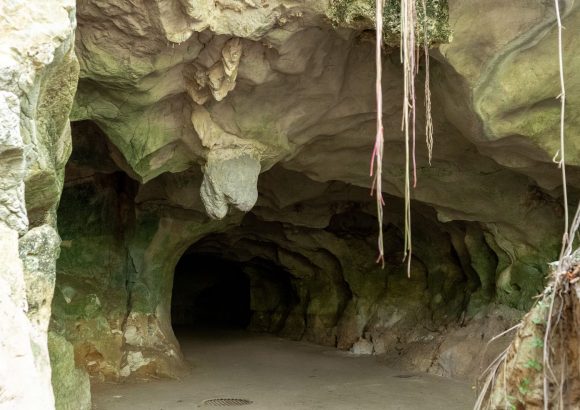
One of the most prominent points of public contention has been the potential risk the project poses to the nearby Tandem Cave, a regionally significant natural site. In response, Docalsa explained that the entire project was engineered using evidence-based technical standards specifically crafted to protect the cave and its surrounding natural resources. Critically, no explosives are being used during construction, and all work progresses under constant direct supervision from environmental regulatory bodies.
Another widespread concern has centered on the risk of water contamination from project activities. Docalsa countered these worries by noting that no permanent rivers flow through the project’s intervention area, and all site work uses dry processing techniques that produce no toxic wastewater that would require discharge into local water systems. The only water used on site is for irrigation of newly planted saplings as part of the reforestation effort, the firm confirmed.
In closing, Docalsa reaffirmed that every aspect of its restoration work adheres to the nation’s strict environmental regulatory frameworks, with ongoing oversight from relevant government agencies to ensure full compliance at every stage of the project.