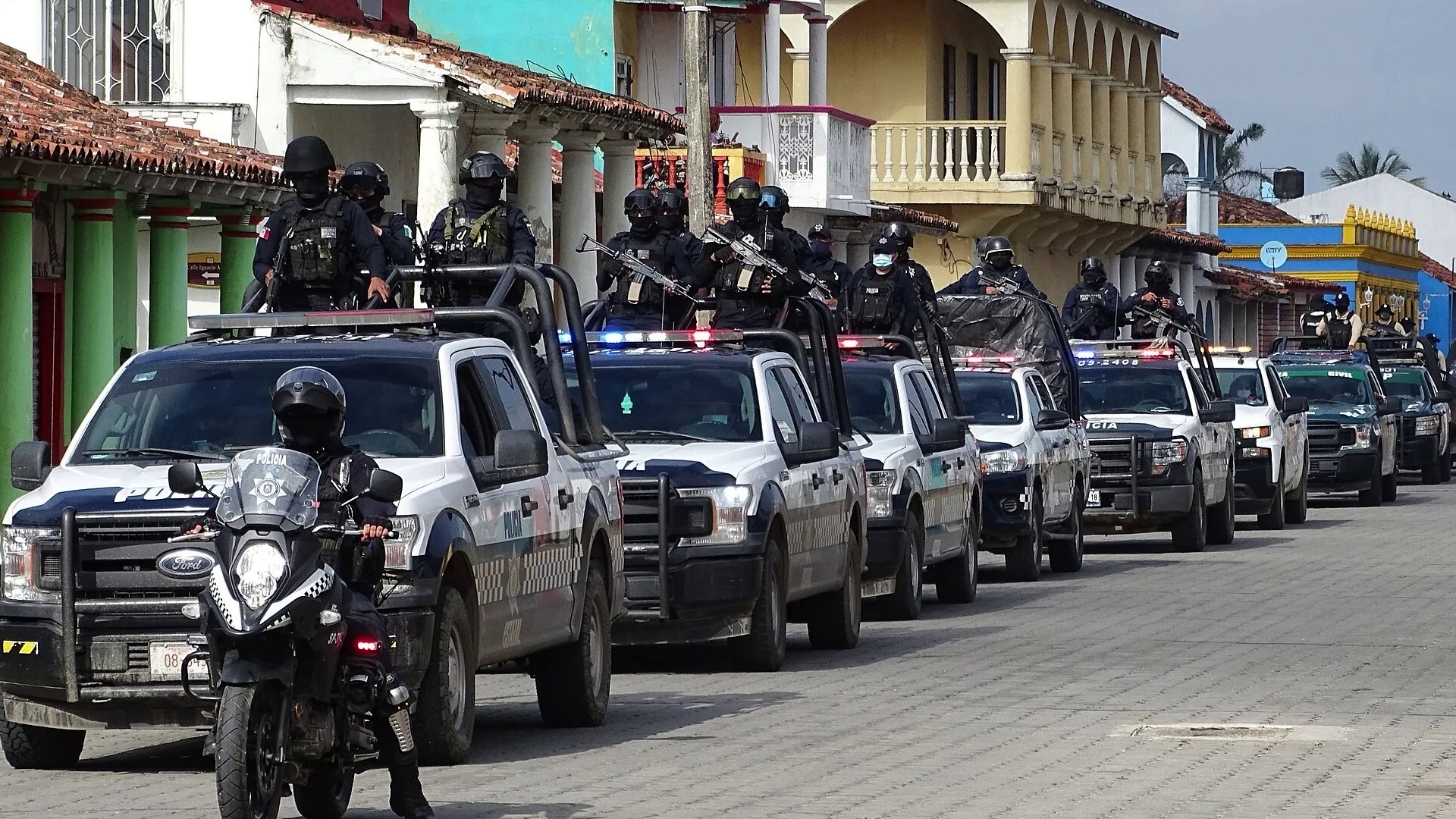
As the newly appointed Chief Executive Officer of Belize’s Ministry of Foreign Affairs and Foreign Trade, Oscar Arnold is prioritizing a paradigm shift in the country’s response to surging narcotics trafficking activity along its shared northern border. Drawing on years of firsthand experience as Belize’s Ambassador to Mexico, a nation that has long grappled with transnational drug networks, Arnold is pushing back against traditional law enforcement strategies that focus solely on individual arrests, arguing that incremental arrests alone will not resolve the deep-rooted crisis.
In comments made during a public briefing on June 8, 2026, Arnold outlined that transnational criminal organizations rely on two foundational pillars to operate: unregulated financial infrastructure that allows cartels to launder illicit proceeds into the formal global economy, and hidden institutional support that enables their cross-border operations. To meaningfully curb narco activity, he says, authorities must target these underlying systems rather than only reacting to isolated criminal incidents.
Arnold reflected that his tenure as ambassador to Mexico gave him an unparalleled on-the-ground perspective on how these networks operate, as well as the economic ripple effects of unchecked drug trafficking. During his time in the role, he regularly assessed how border disruptions driven by narcotics enforcement—from prolonged border closures to work stoppages by customs brokers—impacted everyday Belizeans, ranging from cross-border business owners to road travelers and local car dealers. This experience, he noted, shaped his holistic approach to the crisis that he is now implementing in his new leadership position.
A key advantage Belize holds in this collaborative effort, Arnold emphasized, is the strong, trusting bilateral relationship it has built with Mexico’s federal government over recent years. Rather than approaching the issue through a lens of disagreement, Belize can work alongside Mexican authorities as partners, leveraging established diplomatic ties to coordinate cross-border enforcement more effectively. Arnold acknowledged that dismantling transnational crime networks is no easy feat, but he added that the shift toward structural, system-focused enforcement is already underway, and he expects this new approach to deliver meaningful, long-term gains in reducing narcotics activity along the border.