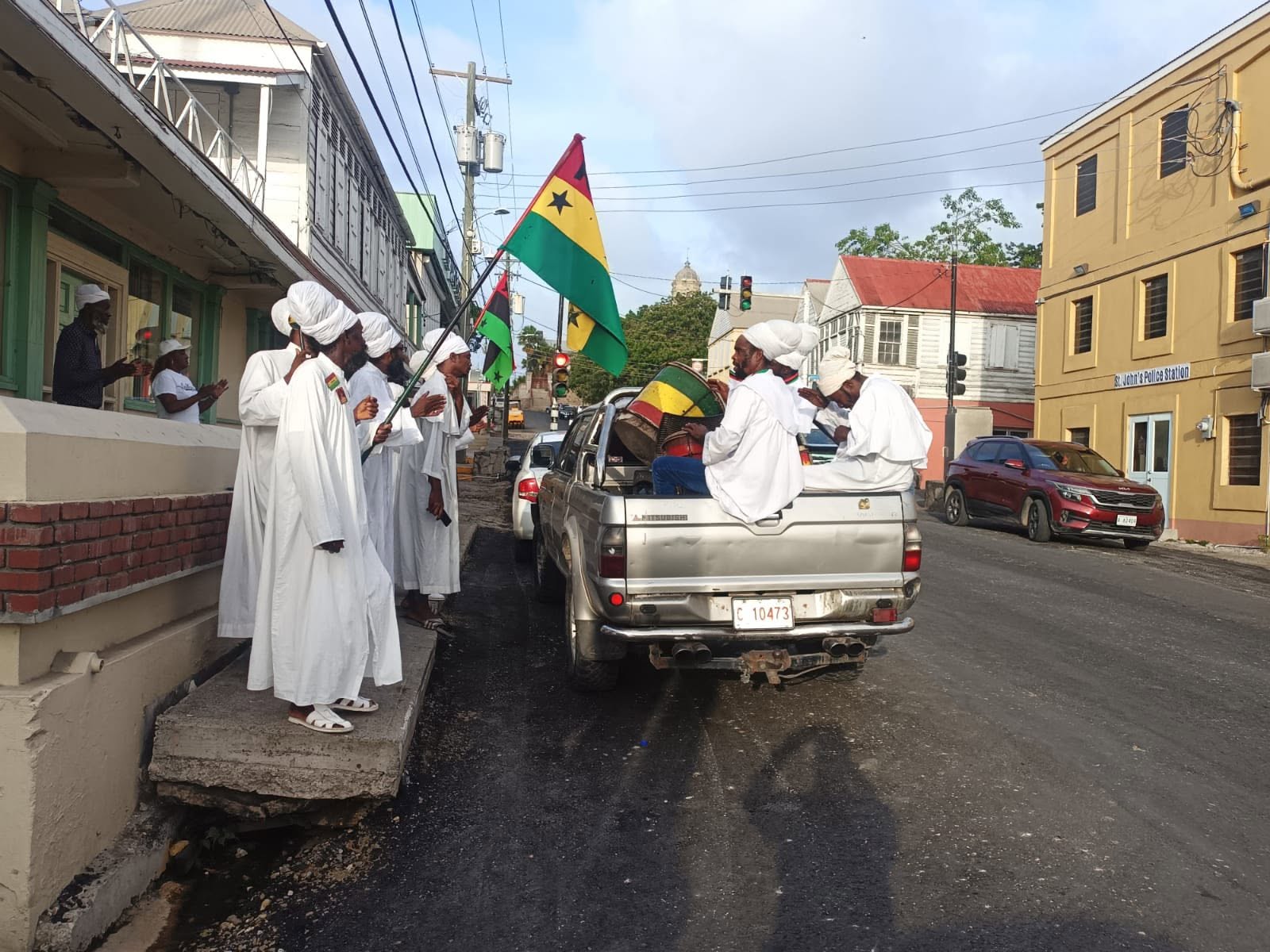
On a recent Saturday, a wave of demands for cannabis policy change swept through the capital of Antigua and Barbuda, as dozens of members of the nation’s Rastafarian community gathered in peaceful demonstration outside St. John’s Police Station. The protest targeted the ongoing practice of jailing individuals convicted of non-violent, minor marijuana-related offenses, a policy that community leaders say has long violated both civil liberties and their group’s core religious and cultural traditions.
Dressed uniformly in white and bearing the distinctive red, gold, and green flags of the Rastafarian faith, demonstrators made their case to government and law enforcement officials, calling for an urgent shift in how authorities approach low-level cannabis violations. They emphasized that the current punitive legal framework is increasingly out of touch with the growing regional momentum toward decriminalization that has been building across the Caribbean in recent years.
According to statements from protest organizers, dozens of people remain behind bars in Antigua and Barbuda on cannabis charges, even as neighboring nations have relaxed their drug laws and moved away from mass incarceration for minor marijuana offenses. Beyond broader drug policy reform, the Rastafarian community is also pushing for formal legal recognition of cannabis’ central role in their religious practices, a status that has already been granted in several other Caribbean countries.
The core demand of the demonstration was a full legislative review of the nation’s existing cannabis laws, with protesters arguing that custodial sentences should never be the default response to minor marijuana-related incidents. Organizers made clear that Saturday’s gathering is just one step in a sustained, nationwide campaign to overhaul outdated drug legislation and secure full equal rights for Rastafarian residents across Antigua and Barbuda.