Against a backdrop of rising global concern over Ebola and a growing roster of emerging and re-emerging infectious disease threats, Antigua and Barbuda’s Ministry of Health, Wellness, Environment and Civil Service Affairs is moving proactively to shield the country’s borders and preserve population-wide public health.
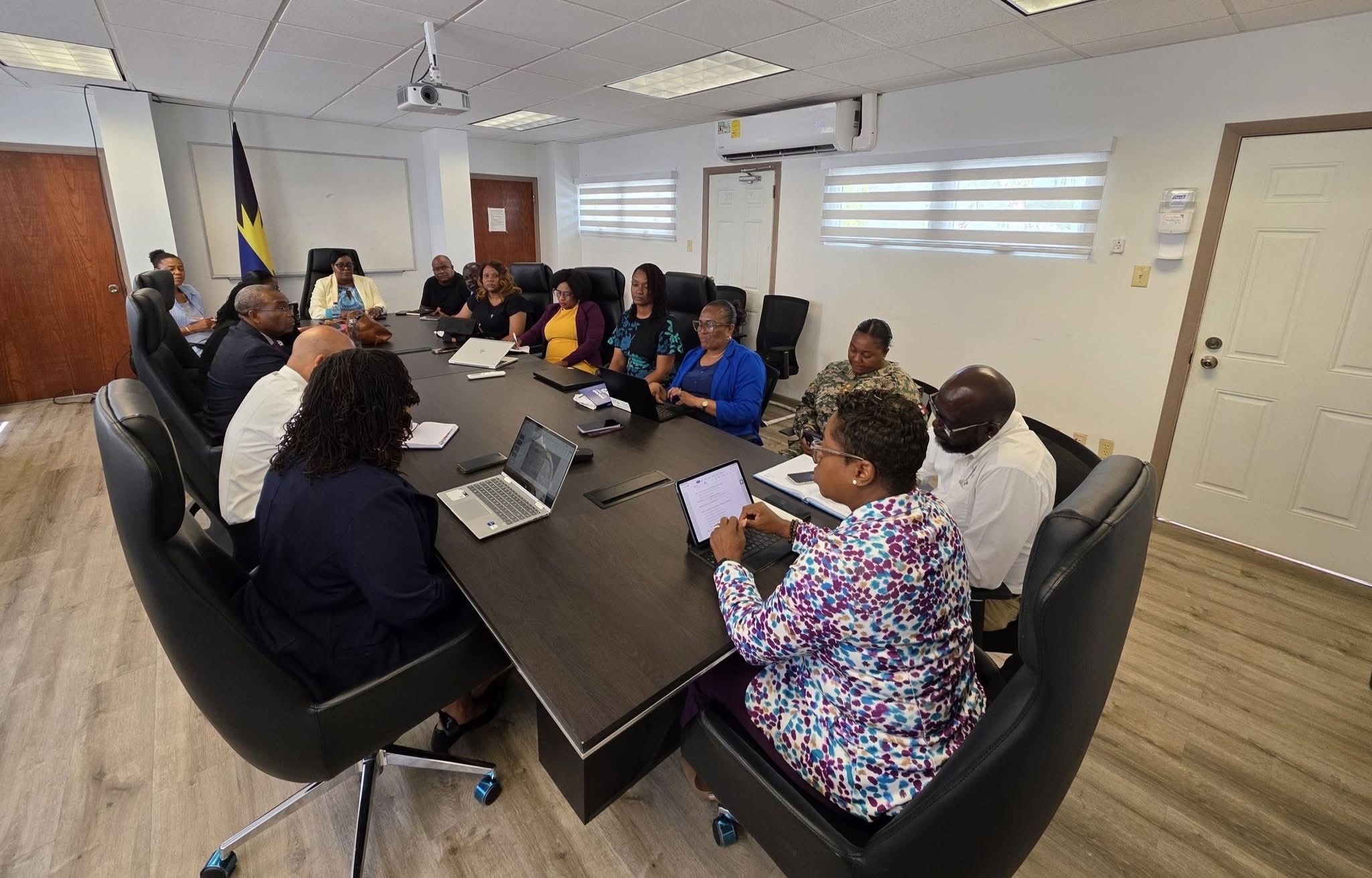
As a cornerstone of these pre-emptive efforts, the ministry gathered top stakeholders from across government for a high-level interagency preparedness summit on Monday, June 1, 2026. The cross-sector gathering brought together decision-makers from core sectors linked to public health protection, border control, emergency response, and national crisis coordination to align on next steps for outbreak readiness.
The central focus of the closed-door meeting was a comprehensive review of Antigua and Barbuda’s existing Ebola preparedness and response architecture, alongside targeted work to reinforce the country’s ability to respond to any other infectious disease that could pose a risk to public health. Chaired by Permanent Secretary Stacey Gregg-Paige, the meeting included the ministry’s most senior technical leaders: Chief Medical Officer Dr. Kamara De Castro, Deputy Chief Medical Officer Dr. Teri-Ann Joseph, and Acting Chief Health Inspector Daryl Spencer.
Beyond the health ministry’s internal leadership, the summit drew agency heads and senior delegations from a wide range of interconnected government bodies. These included the Central Board of Health, Sir Lester Bird Medical Centre, Antigua and Barbuda Emergency Medical Services, the National Office of Disaster Services, the Department of Immigration, the Antigua and Barbuda Airport Authority, the Antigua and Barbuda Defence Force, the Royal Police Force of Antigua and Barbuda, and the Ministry of Tourism. This broad participation reflected the cross-cutting nature of effective infectious disease outbreak preparedness, which requires coordination across health, security, border management, and tourism sectors.
Officials confirmed during the meeting that as of the summit date, no confirmed Ebola cases have been detected in Antigua and Barbuda, and the current risk of local transmission or an imported outbreak remains classified as low. Even so, the ministry stressed that recent global developments involving Ebola outbreaks in other regions make it critical to maintain constant vigilance and full operational readiness to respond to any emerging threat. Early preparation, officials noted, is the most effective tool to prevent a minor imported case from becoming a large-scale public health emergency.
Over the course of the meeting, participating stakeholders walked through existing national preparedness plans, tested hypothetical response scenarios for potential imported Ebola cases, mapped existing operational gaps across agencies, and negotiated actionable measures to improve cross-agency coordination, public communication, and rapid resource mobilization in the event of an emergency. The summit also served as a platform for each participating agency to share updates on the preparedness work they have already completed, flag upcoming activities, and clearly outline areas where additional training, specialized equipment, or external support will be needed to boost readiness.
In closing, the Ministry of Health, Wellness, Environment and Civil Service Affairs reaffirmed its core commitment to protecting the health and well-being of both permanent residents and international visitors to the twin-island nation. Moving forward, the ministry stated it will continue close collaboration with local, regional, and international public health partners to strengthen national health security, and sustain a coordinated, effective national preparedness and response framework capable of addressing infectious disease threats and any other public health emergencies that may arise.