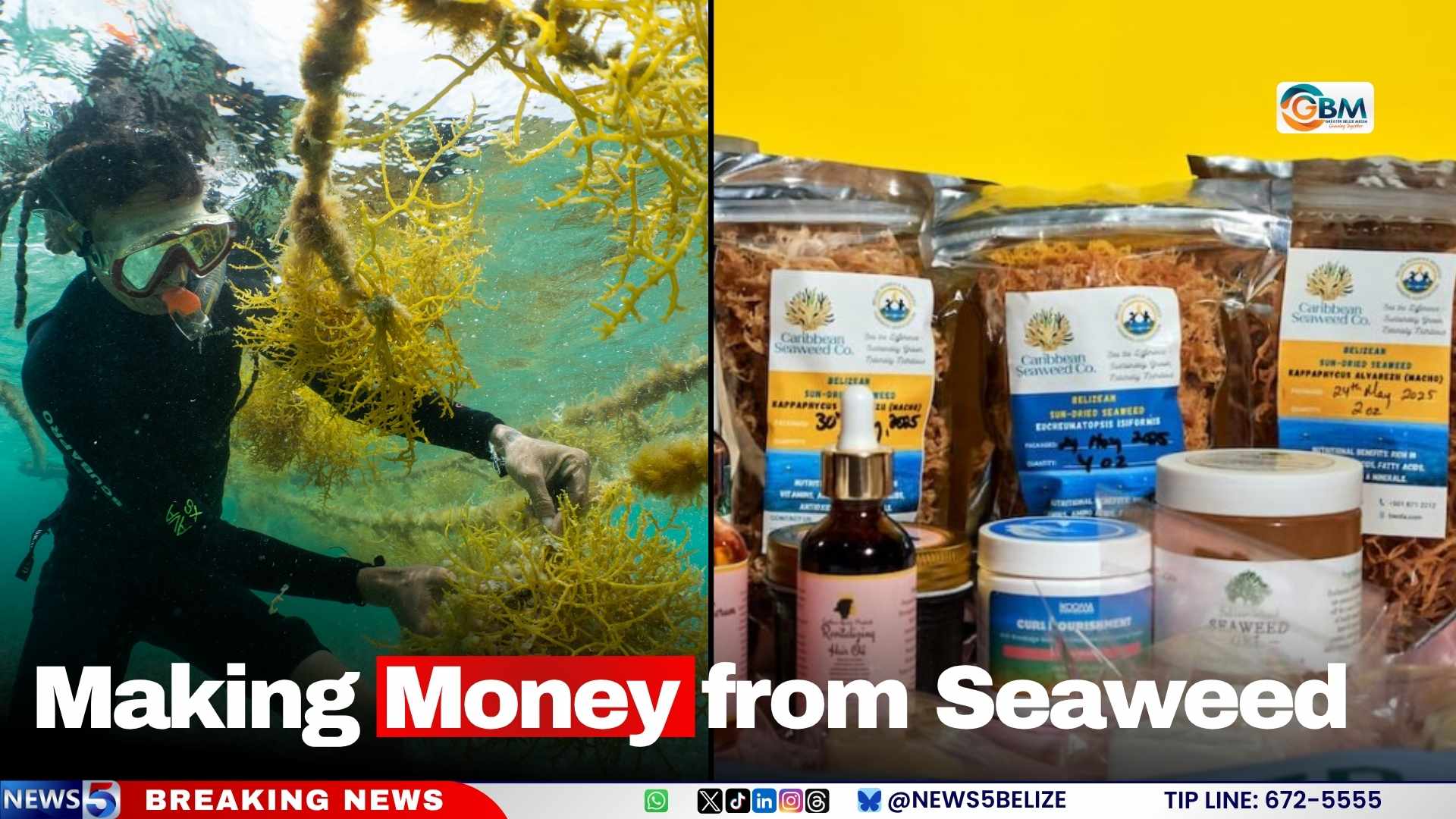
Across coastal communities around the globe, seaweed has quietly evolved from a wild ocean plant to a versatile commercial commodity that ends up in everything from refreshing beverages to skincare products. Now, one of the world’s leading international conservation organizations is working to unlock this economic potential for more residents of Belize, blending environmental sustainability with new income-generating opportunities.
The Nature Conservancy (TNC) has launched a self-paced, free online training program focused on small-scale seaweed farming, designed to be accessible to a wide range of learners. Aspiring entrepreneurs, local fishermen seeking to diversify their catch and income, community organizers, and anyone curious about the emerging blue economy can complete the entire curriculum in just four to five hours, fitting the coursework around their existing schedules.
The program was not developed in a vacuum: experts and community representatives from Belize, Indonesia, and Tanzania collaborated to shape the curriculum, ensuring it addresses the specific needs and conditions of tropical coastal communities. Course content covers all core fundamentals, from the basic mechanics of starting a small seaweed farm to strategies for implementing low-impact growing practices that protect surrounding marine ecosystems. It also walks learners through how entire communities can organize collective operations to maximize shared economic benefits.
Unlike many forms of agricultural and aquacultural production, seaweed farming carries an exceptionally low environmental footprint. It requires no arable land, no inputs of fresh water, and no synthetic fertilizers or animal feed, making it far less taxing on natural resources than conventional food production. Beyond that, growing seaweed actively supports marine health: it filters excess nutrients from coastal waters to improve water quality, creates critical habitat for a wide range of fish and other ocean species, and absorbs carbon dioxide from the ocean to help mitigate the impacts of climate change.
In Belize, a small but growing commercial seaweed industry already exists, with local businesses processing the crop into a diverse array of products. Dried whole seaweed, powder, body soaps, hydrating gels, health drinks, and nourishing hair products are already on the market, demonstrating the strong consumer demand for seaweed-based goods. TNC’s new course aims to lower the barrier of entry for new producers, helping more Belizeans join this growing market while upholding strict sustainable practices that protect the country’s valuable coastal ecosystems. The full course is currently available for enrollment through TNC’s official website.