As the ongoing Ebola outbreak in Central Africa, which has been categorized as a Public Health Emergency of International Concern by the World Health Organization (WHO), continues to spread, public health institutions across the Caribbean are ramping up surveillance and preparedness measures, even though regional health bodies have assessed the overall risk of the virus reaching the bloc as low.
On May 17, the WHO formally designated the outbreak currently impacting the Democratic Republic of Congo (DRC) and neighboring Uganda as a PHEIC, the highest level of global public health alert. The outbreak, which is concentrated in eastern regions of the DRC and multiple areas of Uganda including its capital Kampala, is linked to the Bundibugyo strain of the Ebola virus—a variant for which no commercially licensed vaccines or targeted, proven antiviral treatments currently exist. As of May 27, official data tallies 1,018 confirmed and probable cases across the two affected nations, with 234 registered deaths; the overwhelming share of both cases and fatalities have been recorded in the DRC.
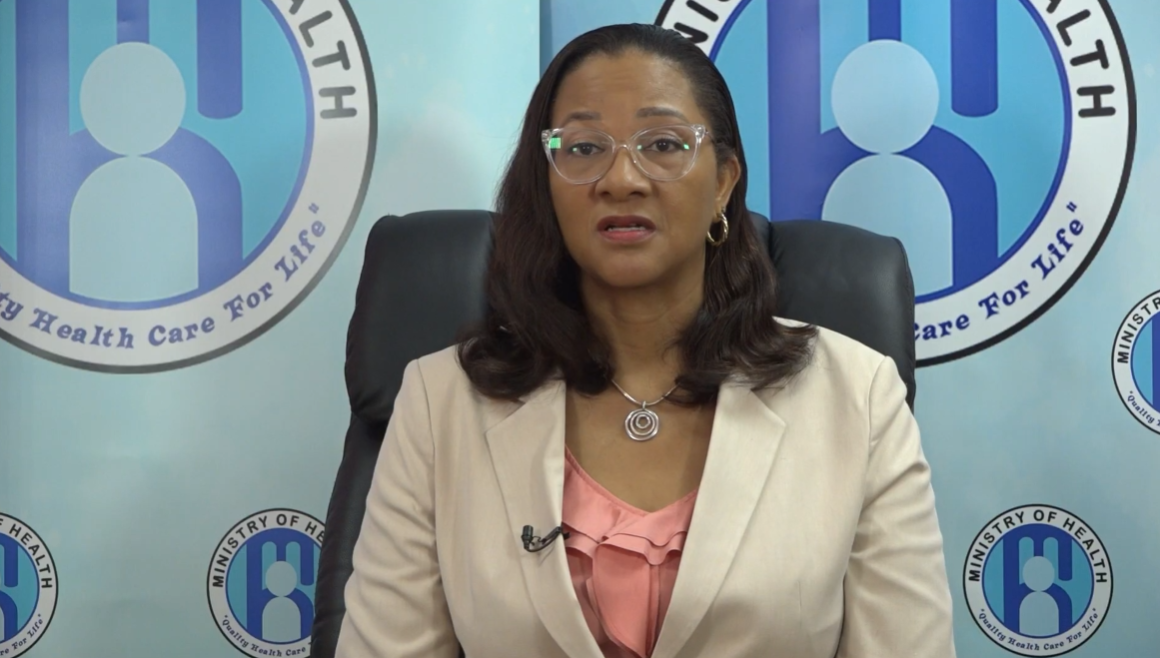
In an official public statement released Monday, Dr. Sharon Belmar-George, Chief Medical Officer for the Ministry of Health, Wellness and Nutrition, emphasized that to date, no confirmed cases of Ebola have been detected anywhere in the Caribbean. She echoed the assessment of the Caribbean Public Health Agency, which has concluded the current risk of the virus establishing a presence in the region remains low. Even so, public health officials have stressed that vigilance cannot be relaxed, noting the virus could still be introduced to the Caribbean via unregulated or undetected international travel from affected regions.
“While the outbreak has not been classified as a pandemic at this stage, coordinated cross-border and global action remains critical to containing its spread,” Dr. Belmar-George explained. To strengthen regional and national readiness, the ministry has rolled out a series of proactive measures: enhanced entry screening at all ports of entry, including systematic checks of traveler history from high-risk areas; a full review of existing national outbreak response plans; upgrades to infection prevention and control protocols across all healthcare facilities; inventory assessments of personal protective equipment (PPE) stockpiles; and targeted training and awareness building for frontline healthcare workers.
Notably, Ebola testing capacity is not currently available within any Caribbean nation. To address this gap, the ministry is working closely with regional public health agencies to establish standardized protocols for sample collection and secure transport to the U.S. Centers for Disease Control and Prevention (CDC) headquarters in Atlanta should testing be required for any suspected case. Officials are also scheduling cross-sector coordination meetings with stakeholders from the health, tourism, education, and business sectors to align preparedness efforts across all parts of regional society.
The ministry’s Health Education and Communication Unit is also developing a comprehensive public risk communication plan, designed to deliver clear, evidence-based information to the general public. This initiative will cover key topics including how to recognize early Ebola symptoms and how to comply with national public health safety guidelines.
Ebola is an acute viral illness that is often fatal if left untreated. It spreads through direct contact with the blood or other bodily fluids of an infected person, contact with materials contaminated by the virus, or exposure to infected wild animal populations. Common early symptoms include fever, intense headache, muscle soreness, general weakness and fatigue, sore throat, vomiting, diarrhea, abdominal pain, and unusual bleeding or bruising. The ministry confirmed it will continue to monitor the evolution of the African outbreak closely and issue regular public updates as new information becomes available.