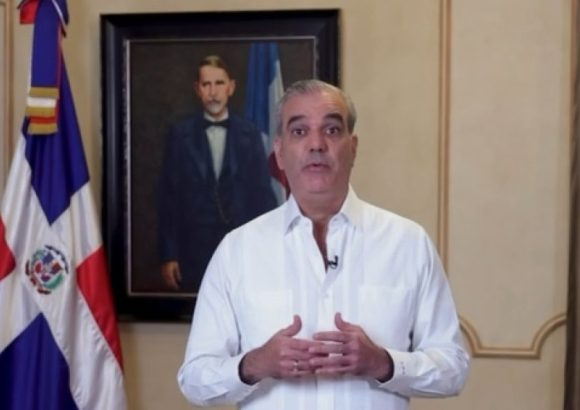
On May 30, 2026, the Dominican Republic paused to commemorate a pivotal turning point in its modern history: 65 years since the assassination of Rafael Leónidas Trujillo, the authoritarian strongman who held the nation in an iron grip for 30 years, crushing dissent and consolidating absolute control over every state institution and segment of the population. The date is officially observed as National Freedom Day, a moment set aside to reflect on decades of repression and honor the movement that ended one of the darkest chapters in the country’s political story.
In a solemn and impassioned address released this past Friday, President Luis Abinader paid tribute to the generations of Dominican men and women who risked everything to challenge Trujillo’s brutal dictatorship and pave the way for the restoration of democratic governance.
Abinader opened his remarks with a stark assessment of Trujillo’s rule, labeling it “the ultimate expression of state terrorism perpetrated ruthlessly against his own country.” For more than three decades, the regime enforced its control through widespread violence, political persecution, and systemic suppression of basic civil liberties, leaving countless families devastated by disappearances, property seizures, and disenfranchisement.
The president reminded audiences of the fateful night that changed the nation’s trajectory: May 30, 1961, when a small band of Dominican patriots ended the 31-year reign of terror. “On that night, after more than 30 years of resistance against the excesses of the most bloodthirsty political regime we have ever known in our history, a group of patriots took up the weapons of justice and fired on the embodiment of terror and tyranny that had subjected an entire people to the heavy yoke of dictatorship,” Abinader said in his speech.
Beyond honoring the group that carried out the assassination, Abinader extended his tribute to all those who joined the resistance movement across its decades-long fight. This included ordinary people targeted for their dissent: those who were imprisoned, stripped of their assets, stripped of their citizenship, or killed for opposing the regime. Many of these resisters remain uncelebrated outside local communities, and the president emphasized their critical role in laying the groundwork for democracy.
“That is why I want to remember and pay tribute to all the men and women of the national resistance, anonymous heroes and heroines, whose individual rights were curtailed and whose property was seized,” he stated.
Closing the address, the president centered his message on the enduring value of preserving collective historical memory. He argued that a clear, honest understanding of the nation’s authoritarian past is the only foundation for building a more just, inclusive future. “Only a people who know where they come from and where they are going can walk safely towards peace, equality, solidarity, social justice and respect for citizens’ rights,” he concluded.