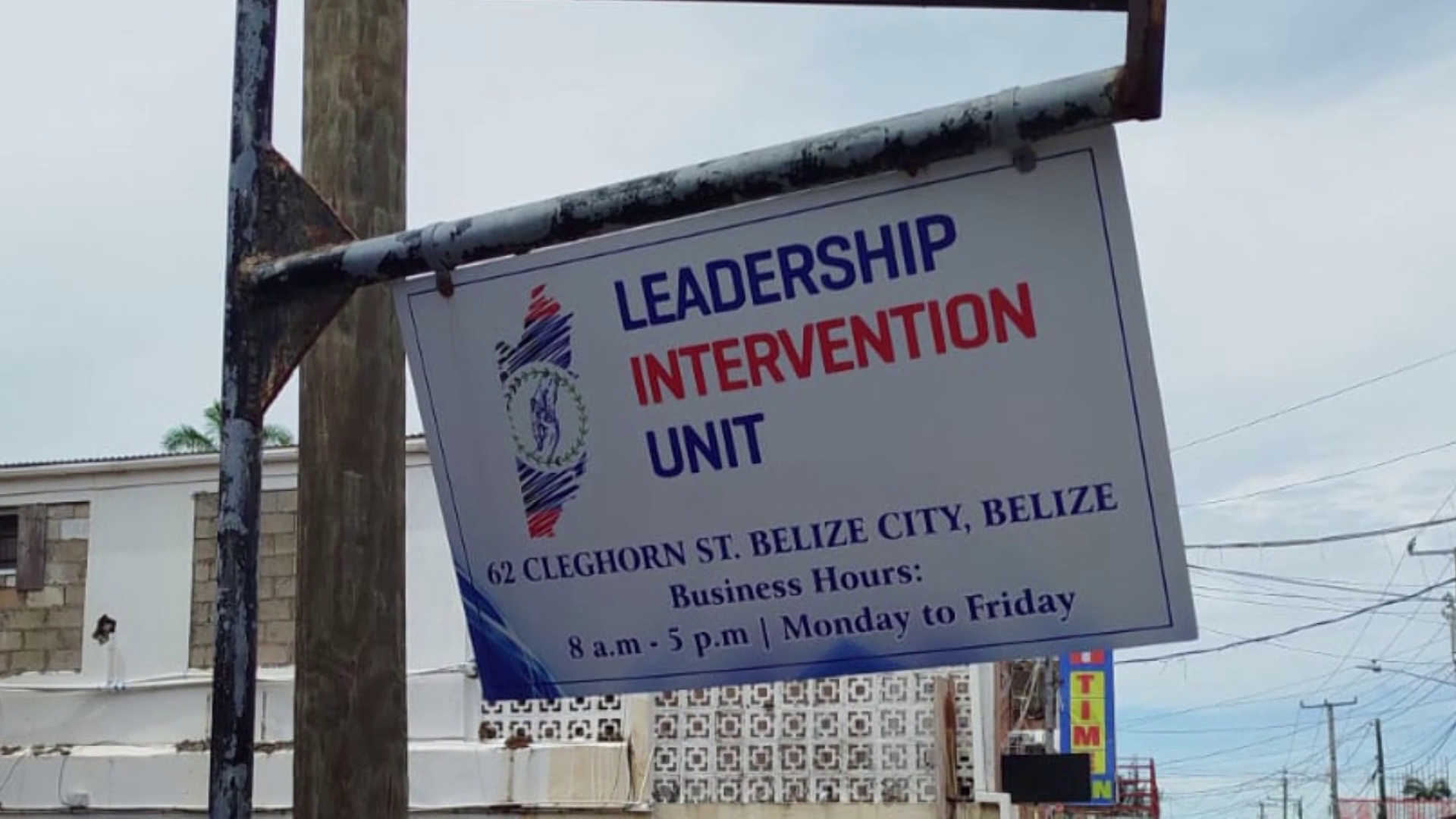
On May 29, 2026, a contentious policy shift by the government of Belize has left hundreds of citizens out of work, igniting fierce public debate over the country’s approach to curbing crime and managing public spending. The Leadership Intervention Unit (LIU), a long-running program targeted at reducing gang involvement and criminal activity by providing paid opportunities for at-risk individuals, has been suspended indefinitely, with initial reports indicating more than 500 workers have been displaced by the halt.
Prime Minister John Briceño has defended the decision, standing firm in his assessment that the initiative has outlived its usefulness and drained public resources with minimal long-term impact. Briceño revealed that the government has poured millions of taxpayer dollars into the program annually, yet many participants have continued to engage in criminal behavior despite receiving stipends. According to the prime minister, the LIU was originally designed as a short-term intervention lasting just two to three months, but it evolved into an unintended long-term payment scheme that rewarded temporary compliance rather than lasting behavioral change.
“We are spending millions to pay individuals to maintain a better lifestyle, and while the LIU saw meaningful success in mediation and early intervention, the current model of rewarding people to behave — only for many to return to criminal activity after a few weeks — is not working,” Briceño said in an interview. He argued that reallocating the LIU’s budget to law enforcement would address a critical gap in Belize’s crime fight: frontline police officers currently lack adequate equipment to protect themselves when confronting gang members, drug traffickers, and robbers. Briceño rejected concerns that the halt will drive a surge in unemployment and crime in Belize City, emphasizing the program was never meant to be permanent employment.
Home Affairs Minister Oscar Mira echoed the prime minister’s stance, clarifying that the pause is not a permanent cancellation but a strategic reset to restructure and refocus the initiative. Mira noted that multiple accountability failures have plagued the program, including long-term payments to participants who were not meeting program requirements, and even some participants who remain on the LIU payroll despite being detained during the current State of Emergency. He disputed claims that more than 500 people were actively employed by the program, calling that figure inaccurate.
Mira stressed that the LIU’s core mission — diverting young people from gang violence — remains a critical part of the government’s crime strategy, but the current model needs a complete overhaul. “LIU was never meant to be a permanent job, it was meant to be a stepping stone to meaningful, long-term work and stability,” Mira explained. “The current model was not delivering that. We need to shift our focus to younger people who have not yet become fully involved in gangs, providing them with education opportunities and trade training that let them build sustainable lives outside of crime. It is time to pause, restructure, and re-strategize so the LIU can deliver on the vision it was created for: pulling young people out of the cycle of gang violence that is plaguing our communities.”
The decision has sparked broader questions about whether shifting resources from prevention-focused intervention to enforcement will actually reduce Belize’s crime rates, with critics warning that leaving hundreds of at-risk individuals without income could exacerbate the very criminal activity the government aims to curb.