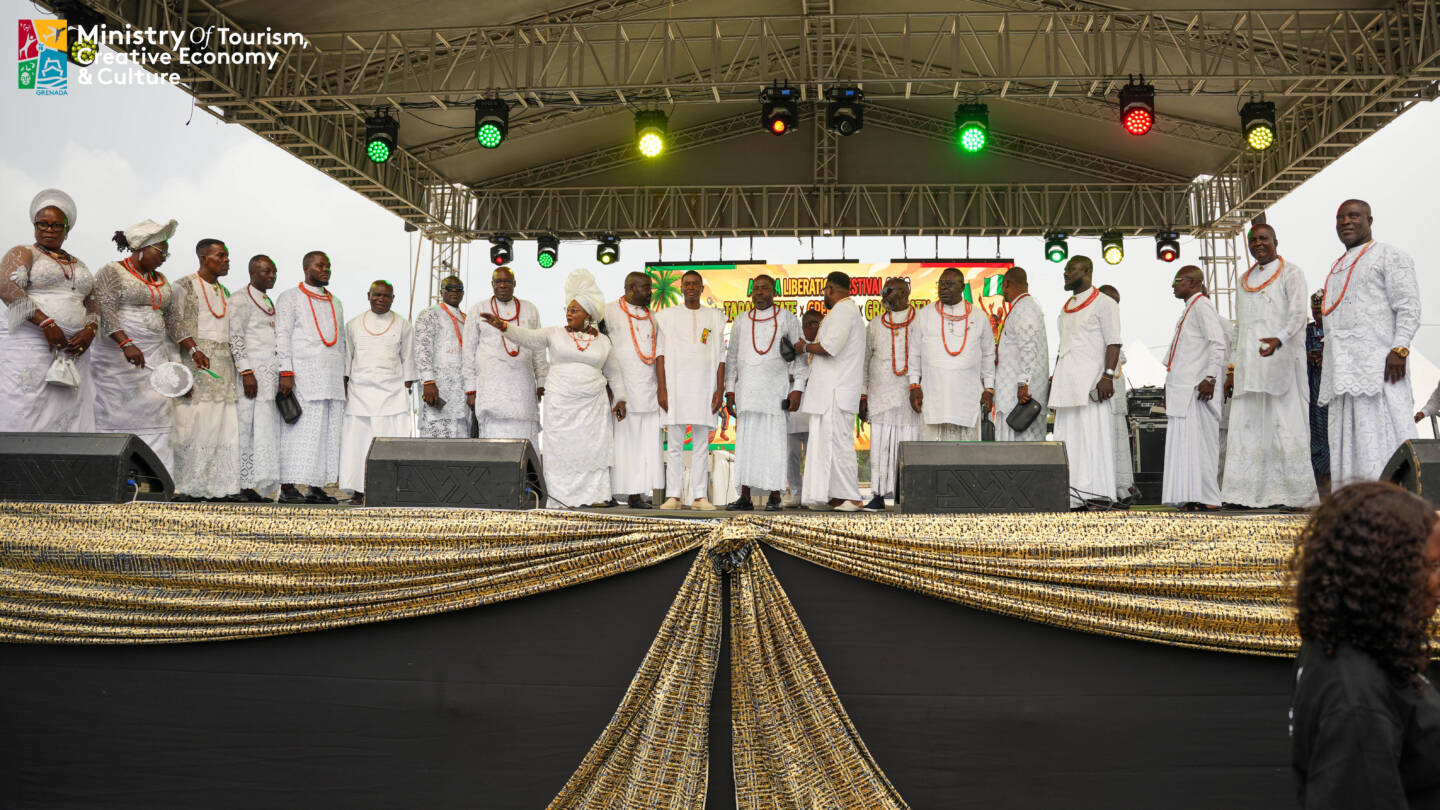
Thousands of attendees gathered at Victoria Park in Grenville, Grenada, on Monday to mark African Liberation Day, where top political and community leaders used the commemorative platform to push for transformative, mutually beneficial economic and social collaboration between the African continent and Caribbean nations. Opening with a keynote address, Grenadian Prime Minister Dickon Mitchell framed closer cross-Atlantic cooperation as a catalyst for inclusive growth, innovation, and long-term sustainable development across both regions. Mitchell outlined a wide range of under-tapped areas for partnership, spanning creative arts, formal education, cultural industries, tourism, heritage preservation, youth exchange programs, and technological collaboration. Noting Grenada’s deep historical roots as part of the broader African diaspora, the Prime Minister emphasized that the island nation is fully committed to forging a modern, dynamic relationship with Africa built on equal mutual respect, shared ancestral history, and a collective commitment to unlocking new opportunities for all citizens. Mitchell articulated a bold, forward-looking vision for the future of Africa-Caribbean relations, stating that Grenada eagerly anticipates the day when seamless, meaningful connectivity between the two regions becomes a daily reality. “We long for the day when young Grenadians can study, trade, create and innovate with young Africans as naturally as they engage with North America and Europe,” Mitchell said. “We long for the day when African and Caribbean businesses can move goods, services, ideas and investments across the Atlantic with greater ease, confidence and purpose.” Aligning with the 2024 event theme “African Rooted, Diaspora Rising, Identity Reclaiming,” Tourism, Creative Economy and Culture Minister Adrian Thomas echoed Mitchell’s call, stressing the critical need for younger generations to reconnect with their ancestral identity and shared history. Thomas pushed back against long-standing colonial narratives, noting that Africa is far more than a ancestral homeland for diaspora communities—it is a dynamic continent brimming with untapped economic opportunity, groundbreaking innovation, vibrant cultural creativity, and enormous growth potential that represents the future for people of African descent worldwide. He argued that the time has come for African and Caribbean peoples to build their own independent systems and define their own collective worth, rejecting reliance on external powers to address systemic challenges rooted in a painful history. “Africa and the Caribbean must no longer sit idle and beg others to solve the very problems created by slavery, colonialism, exploitation, unfair trade and unjust global systems,” Thomas said. “We cannot continue to outsource our destiny. We cannot continue to wait for others to rescue us. We cannot continue to complain about the chains while refusing to break them.” St Andrew South-West Parliamentary Representative Lennox Andrews extended a warm welcome to visiting African delegations in attendance, encouraging guests to explore Grenada’s deep ties to African heritage across the country’s tri-island territory. Andrews invited delegates to visit iconic historical and cultural sites tied to the trans-Atlantic slave trade, including Leapers Hill, Belmont Estate, and the smaller sister islands of Carriacou and Petite Martinique. He also urged visitors to engage directly with local communities and experience unique Grenadian cultural traditions rooted in African heritage, such as Big Drum Dancing and Shakespeare Mas. Dr. Stephen Onigbinde, President of the Nigerian Community in Grenada and an Assistant Professor at St. George’s University School of Medicine who has served six years as a pro bono consultant at Grenada’s General Hospital, added that the process of reclaiming collective identity requires open, honest examination of history—including the devastating legacy of the trans-Atlantic slave trade and colonial rule. “The ability to look at history books and tell ourselves something is not right here, not out of hatred, but understanding that it is our responsibility to tell our own story,” Dr. Onigbinde explained. He also emphasized the urgent need to educate younger generations on the full, unfiltered truth of their ancestral heritage and collective identity. Beyond formal speeches and policy discussions, the African Liberation Day celebration in St Andrew featured a full slate of cultural programming, including live music, traditional dance performances, drumming circles, poetry readings, and artistic showcases, with participation from both local Grenadian community groups and visiting African representatives. The event was organized under the auspices of Grenada’s Ministry of Tourism.
PM calls for deeper trade and investment cooperation between Africa and the Caribbean