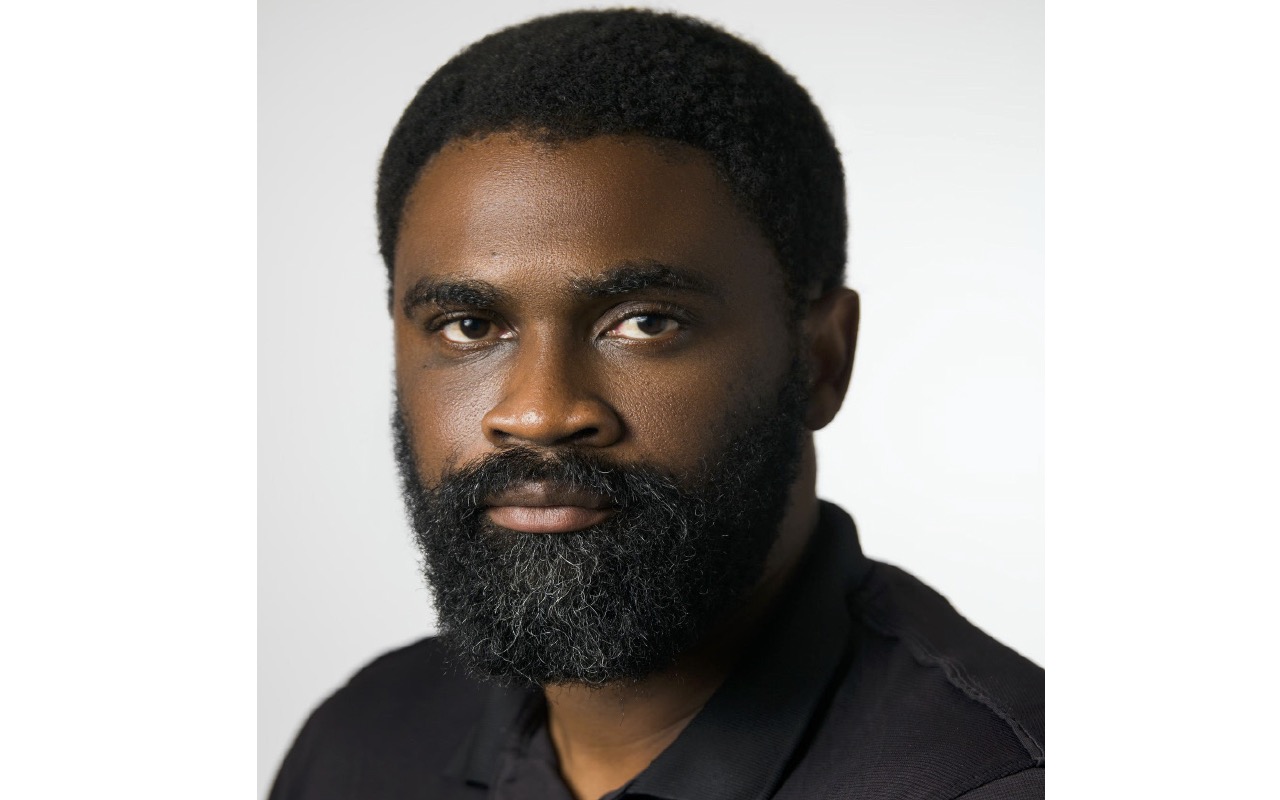
As the Mia Mottley administration wraps up its first 100 days in office for its third consecutive term, regional economist Jeremy Stephen has offered a measured assessment of its performance, arguing that the current outcomes align with reasonable expectations given the cascading headwinds buffeting small open economies worldwide. In an exclusive interview with Barbados TODAY, Stephen explained that mounting global instability and persistent macroeconomic pressures have compelled the administration to shift away from the growth-focused campaign pledges it laid out earlier this year, forcing a pivot to defensive economic policy that has sidelined many of its pre-election promises.
Stephen pushed back against widespread criticism that the government has failed to deliver on its campaign commitments, noting that the global geopolitical and economic landscape has shifted dramatically since the election cycle. The volatile energy market, strained by ongoing tensions in the Strait of Hormuz, has upended earlier budget projections that forecasted fuel price stabilization by May, sending local energy costs soaring far higher than officials anticipated. For a small, trade-reliant economy like Barbados, Stephen argues, a defensive posture is not a sign of policy failure, but the only viable approach to navigating this uncertainty—even if it means near-term pain for local households and businesses.
“Most of the campaign promises framed around growth that the administration put forward earlier this year simply cannot be implemented under current conditions,” Stephen explained. “Judging the first 100 days of this term against those pre-election pledges is inherently unfair. The circumstances have changed completely, and a defensive strategy is the only logical response right now.”
The economist also addressed frequent criticism that the administration has failed to advance meaningful economic diversification in its first three months in office, calling such expectations fundamentally unrealistic. He emphasized that structural economic change and diversification are multi-year processes that cannot be delivered in a 100-day window, from drafting policy to establishing new regulatory institutions to seeing tangible growth in emerging sectors.
“To be honest, any government that promises rapid economic diversification in 100 days is being reckless,” Stephen said. “A 100-day period is not even long enough to set up the institutional frameworks that will guide diversification, let alone deliver tangible results. Diversification takes years to produce meaningful outcomes—we are talking about a timeline where you are still working out early kinks years in, never mind seeing successful growth. Voters need to evaluate this administration over a longer timeline, looking for solid legislative foundations and strong institutional guardrails by the second or third year of the term, not immediate transformation.”
Despite the significant macroeconomic challenges facing the government, Stephen acknowledged that key sectors of the Barbadian economy are seeing robust growth, most notably construction and tourism. He compared the current pace of construction activity to the historic boom Barbados experienced between 2004 and 2007 leading up to the ICC Cricket World Cup, though he noted that today’s expansion is concentrated heavily in tourism-related infrastructure development to support the island’s post-pandemic travel recovery.
This rapid growth has created its own unexpected domestic challenges, however, particularly a acute shortage of local Barbadian workers that has forced construction firms to recruit large numbers of foreign and regional laborers. Stephen shared that major construction industry leaders told him just recently that they cannot find enough qualified local workers to meet current demand. As a result, thousands of workers from across CARICOM, as well as from Mexico, Colombia, and other Latin American countries, have moved to Barbados to fill these roles, creating an unintended displacement of local workers even as the sector expands rapidly.
Looking ahead to the administration’s long-term policy goals, Stephen expressed significant skepticism about the viability of the government’s flagship “Mission 2030” development targets. He argued that planning efforts have failed to account for major long-term global disruptors that will reshape the global economy through the end of the decade, including the highly volatile international security environment, unpredictable shifts in U.S. economic and foreign policy, and the rapid, largely unregulated growth of artificial intelligence that threatens to displace millions of workers worldwide.
Stephen added that Barbados has not updated its domestic labor laws to protect workers from technological displacement, leaving the country ill-prepared for the changes AI will bring to the local labor market. “I do not believe that most of the targets the administration has laid out for 2030 will actually be achieved,” he warned. “As long as the plan does not incorporate these emerging global realities, the goals will remain out of reach. We can only control how we respond to external events; we cannot control the global economic and technological forces that shape our context.”