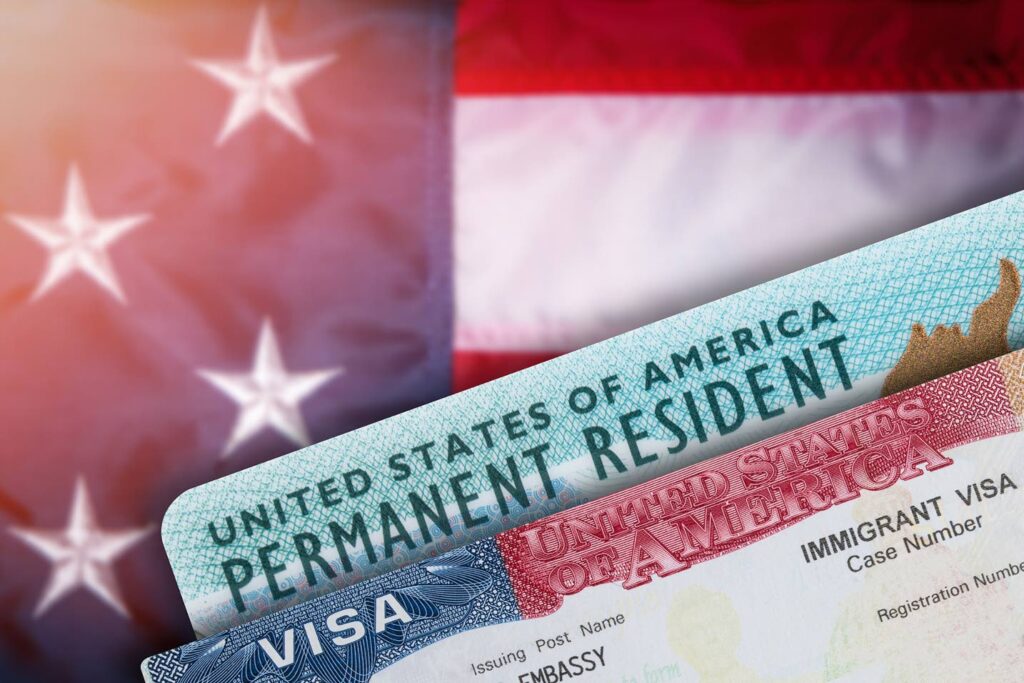
In a sweeping policy shift unveiled Friday in Washington D.C., the Trump administration has enacted a landmark change to U.S. permanent residency rules that will require the vast majority of foreign nationals seeking green cards to submit their applications from their country of origin.
Zach Kahler, a spokesperson for U.S. Citizenship and Immigration Services (USCIS), outlined the new regulation in an official statement, noting that only applicants facing extraordinary, exceptional circumstances will be exempt from the new requirement. Under the updated framework, any foreign national currently residing in the U.S. on a temporary status will be required to return to their home nation to move forward with their permanent residency application.
Kahler emphasized that the U.S. immigration system is structured around a core principle: nonimmigrant visa holders — including international students, temporary skilled workers, and tourists — enter the country for limited, time-bound stays tied to a specific purpose. “Our system is designed for them to leave when their visit is over,” Kahler said, adding that temporary entry should never serve as a backdoor to starting the green card application process.
Data from The Washington Post shows that the U.S. issues more than 1 million green cards annually, and prior to this policy change, more than half of all successful applicants were already residing in the United States on temporary visas when they submitted their applications. Moving forward, all green card applications from foreign nationals abroad will be processed by the State Department through U.S. consular offices located across the globe.
Administration officials argue the new rule will strengthen border integrity and immigration enforcement. Kahler explained that requiring in-country applications will reduce the need for U.S. authorities to locate and deport individuals who remain in the country illegally after their green card application is rejected. Instead of overstaying their temporary visas after a denial, applicants will remain in their home countries while their cases are processed.
This latest regulatory change aligns with a core campaign promise Trump made during his 2016 bid for the White House: cracking down on unauthorized immigration by expelling millions of undocumented migrants already residing in the U.S. Since taking office, his administration has steadily closed off multiple legal pathways to permanent U.S. residency as part of its broader restrictive immigration agenda.