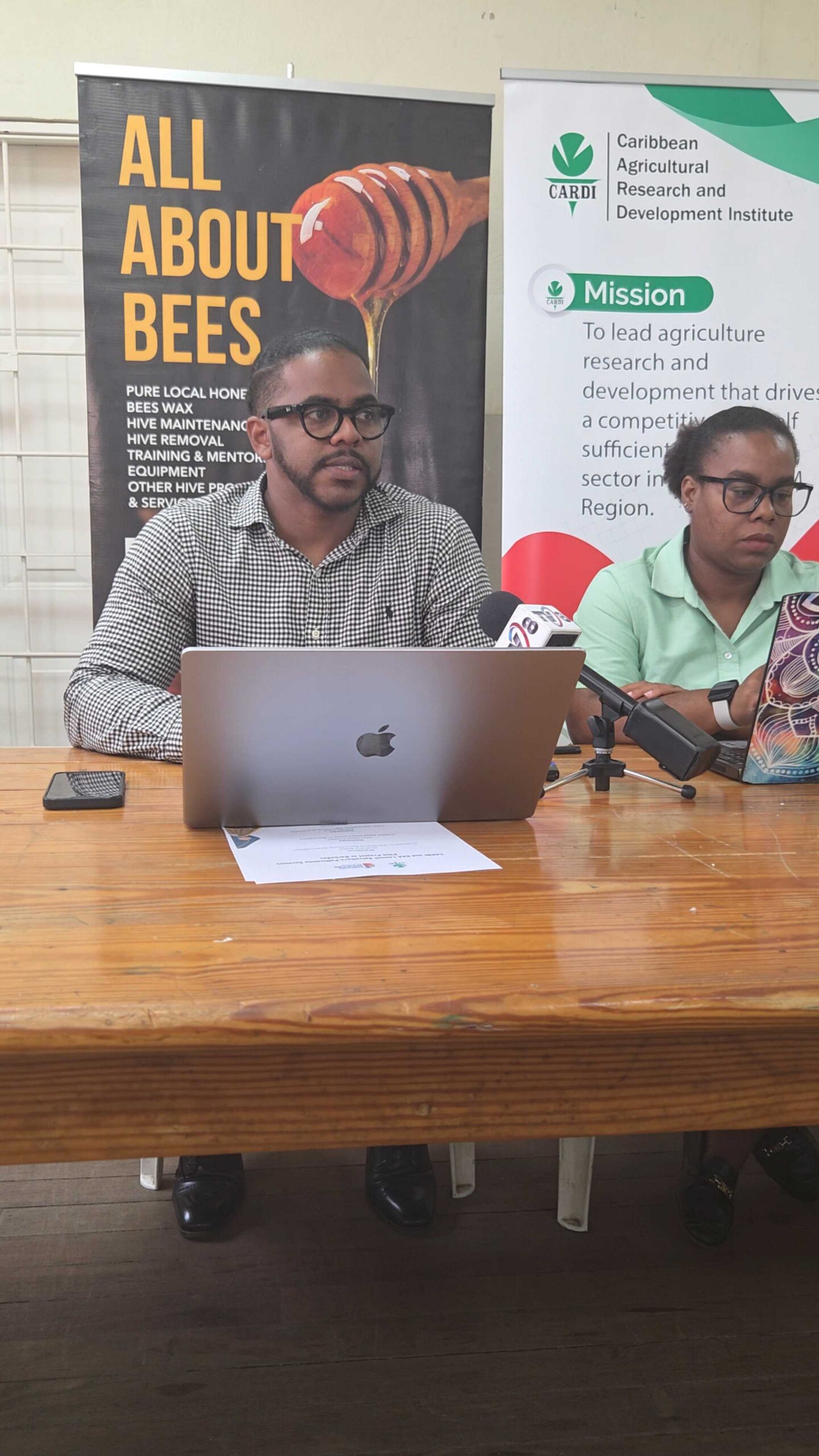
Across the Caribbean island of Barbados, a sharp uptick in unregulated, reckless bushfires has triggered a devastating crisis for the local beekeeping sector, with industry leaders sounding an urgent alarm that the nation’s food security hangs in the balance. The unfolding emergency took center stage this week at the official launch of the Apiculture Pollination Services Pilot Project, a collaborative initiative between the Caribbean Agricultural Research and Development Institute (CARDI) and the Barbados Apiculture Association (BAA). While the project itself was designed to introduce evidence-based, scientific strategies to boost local crop pollination and yields, the event quickly became a platform for stakeholders to highlight the immediate existential threat that unchecked fires pose to the island’s bee populations and broader food systems.
Graham Belle, president of the BAA, detailed how the recent wave of blazes has delivered a crippling blow to an industry already grappling with a cascade of economic and environmental challenges. “Over the past weeks, beekeepers across every region of the island have been hit hard by these wildfires. Hive boxes have been incinerated, entire bee colonies have been wiped out, and the critical foraging habitats that bees depend on for survival have been reduced to ash,” Belle explained in an interview during the launch event.
Belle emphasized that the damage extends far beyond the immediate loss of bees and infrastructure, creating severe financial hardship for small-scale beekeepers and putting the entire island’s food production at risk. “The losses are tangible and permanent for many producers. We’ve collected dozens of reports from members who have lost everything: their hives, their colonies, their expensive imported equipment, and the land their bees need to forage. All of this translates to major, unrecoverable financial losses at a time when most are already barely breaking even,” he said. The BAA is currently compiling a full dataset of the damage from its membership to present a comprehensive report to the Ministry of Agriculture, Food and Nutritional Security, and Belle confirmed the association would push for urgent government intervention to address the crisis.
James Paul, chief executive officer of the Barbados Agricultural Society (BAS), joined Belle in condemning the reckless fire-setting that has sparked most of the recent blazes, calling for both a national cultural shift around open burning and targeted strategic planning to protect local apiaries. Paul put forward one concrete policy proposal: creating a publicly accessible national map that documents the location of every registered bee colony across the island. This resource, he explained, would allow the Barbados Fire Service to prioritize containment efforts in fire events and avoid inadvertently destroying healthy hives during emergency response operations.
“Moving forward, one of our top priorities should be mapping every existing colony on the island. When fires break out, we need to know exactly where the vulnerable populations are, what assets are at risk, and what we need to protect. This simple step would go a long way to preventing unnecessary additional damage to our already strained apiary sector,” Paul explained. He also issued a direct appeal to members of the public who engage in unregulated open burning, stressing that their actions have far-reaching economic consequences that many do not fully understand. “I want to speak directly to the people who have this habit of starting these reckless fires. I don’t think they always grasp just how much economic damage they leave in their wake. This is not a harmless activity, and it cannot be allowed to continue unchecked in our country,” he said.
The current bushfire crisis comes on top of a growing list of challenges that have been battering Barbadian beekeepers for years. Belle noted that producers are also contending with lingering global supply chain disruptions that have driven up the cost of critical imported supplies including hive boxes and beekeeper protective gear. Additional pressures include widespread crop theft from apiary sites, a flood of cheap adulterated honey imported from overseas that undercuts local producers, and shifting climate patterns that have altered natural flowering cycles, further disrupting bee foraging patterns. Without urgent intervention to curb unregulated fires and support the struggling beekeeping industry, Belle and other stakeholders warn, Barbados could face cascading impacts on pollination, local crop production, and long-term national food security.