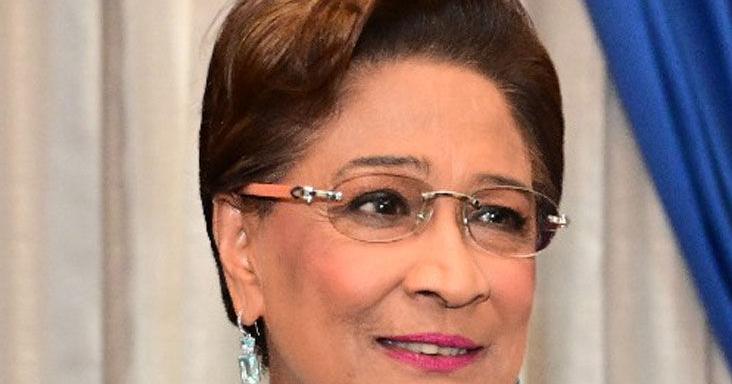
Trinidad and Tobago’s Prime Minister Kamla Persad-Bissessar has issued a firm statement asserting that the twin-island nation has placed itself on a positive developmental trajectory, reversing 10 years of economic mismanagement and instability under the previous People’s National Movement (PNM) administration. Her remarks came in response to questions from the Express in the wake of the International Monetary Fund’s completion of its 2026 Article IV consultation with the Caribbean nation, a routine assessment that delivered a glowing review of the current government’s policy agenda. For Persad-Bissessar, the IMF’s positive assessment is far more than a third-party review—it is a powerful, independent validation of her administration’s leadership, cautious fiscal stewardship, and relentless commitment to rebuilding the country after a decade of sustained economic decline. She framed the PNM’s tenure as a prolonged period of “doom and gloom” that her government has begun to reverse, urging Trinidad and Tobago’s citizens to maintain patience and hope as pro-growth policies are rolled out to drive long-term national progress. The successful conclusion of the IMF consultation, the prime minister emphasized, confirms the country is once again “moving in the right direction” and has restored its standing and credibility among the global community. Under her leadership, Persad-Bissessar noted, the nation has transitioned from a phase of steady economic deterioration inherited from the PNM to a new era focused on reconstruction, systemic transformation, and renewed forward momentum. The IMF’s report explicitly highlighted a series of tangible achievements the current administration has delivered in just over one year in office: contained, low inflation, a stable and sufficiently capitalized domestic banking sector, a robust external financial position, and healthy international reserves backed by the country’s Heritage and Stabilisation Fund. Persad-Bissessar stressed that these wins carry even greater weight given the severe economic challenges her government inherited when it took office, including dwindling foreign currency reserves, rapidly growing national debt, eroded fiscal buffers, and years of unaddressed fiscal mismanagement. From the first days of her administration, she explained, leaders have taken bold, accountable action to stabilize the national economy, rebuild trust among international and domestic investors, and roll out evidence-based fiscal reforms designed to lay the foundation for long-term sustainability, economic resilience, and inclusive growth. The IMF’s findings, she argued, directly confirm that the tough but necessary policy choices her government has made to restore economic stability, strengthen public institutions, and reposition Trinidad and Tobago on a sustainable development path are already delivering results. “I have said repeatedly that we could not repair the damage and disorder we inherited overnight,” Persad-Bissessar said. “However, through discipline, competence, sound governance and strategic planning, we have succeeded in restoring confidence both locally and internationally.” Crucially, the prime minister noted, these stabilizing economic gains have been achieved without abandoning core commitments to the Trinidad and Tobago public. Her administration has followed through on campaign promises including delivering a 10 percent wage increase to public sector employees and reviving key social programs such as the universal laptop initiative for school-aged children. Persad-Bissessar acknowledged the IMF’s formal caution regarding the potential economic spillover effects of the ongoing conflict in the Middle East, a global risk that could impact small open economies like Trinidad and Tobago. Even so, she highlighted the IMF’s own observation that faster implementation of structural reforms outlined in the government’s Revitalisation Blueprint, paired with sustained domestic and foreign investment, could boost the country’s medium-term growth outlook. “We remain focused on revitalizing the energy sector, diversifying the economy, improving the investment climate, reducing bureaucracy and accelerating national development,” the prime minister said. As foreign direct investment continues to climb, and both public and private sector partners advance critical infrastructure and development projects, Persad-Bissessar projected that expanded opportunity and new jobs will follow for local citizens. “My Government remains fully committed to protecting the vulnerable, empowering businesses and young people, expanding opportunities and ensuring that Trinidad and Tobago achieves sustainable growth, lasting prosperity and renewed national pride,” she added.