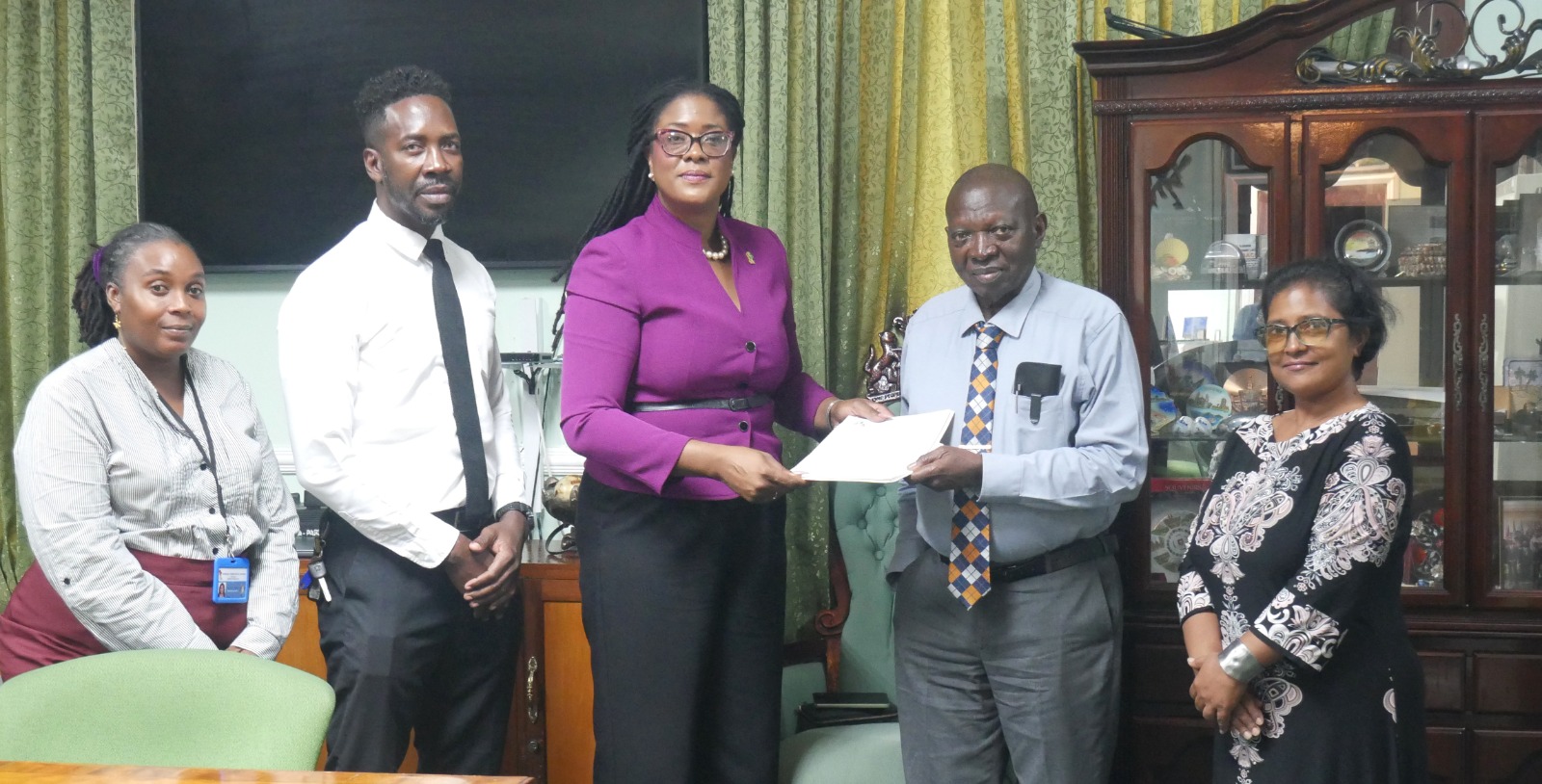
As Guyana navigates an unprecedented windfall from newly developed oil reserves, a small opposition political faction has ramped up pressure for institutional accountability, launching a formal public petition to Guyana’s National Assembly and calling for regional and international democratic bodies to intervene. On Tuesday, May 19, 2026, Amanza Walton, leader of the one-seat Forward Guyana Movement (FGM), delivered a petition bearing 100 citizen signatures to Sherlock Isaacs, Clerk of the National Assembly. This action came just one day after Walton dispatched formal correspondence to multiple leading regional and international democratic institutions, urging them to press Guyana’s governing administration to reconvene parliament, which has not held a sitting in 95 days as of the petition’s filing.
The core demands laid out in the FGM petition center on three key institutional reforms that the opposition argues are critical amid the country’s rapidly growing oil revenue. First, the group calls for the National Assembly to schedule sittings at consistent, publicly announced intervals, arguing that regular sessions are a non-negotiable requirement for the legislature to carry out its constitutional duties of oversight, representation, and policy debate. Second, FGM demands that the legislative body publish a formal, structured parliamentary calendar, a step the group says would reduce opacity, boost public trust in democratic institutions, and create clearer opportunities for citizen engagement in national governance. Third, the opposition is calling for the immediate establishment and activation of all required standing and sectoral parliamentary committees, which are tasked with detailed scrutiny of government policy, public spending, and administrative actions.
FGM emphasizes that these reforms have taken on new urgency as Guyana manages expanding national revenue from its burgeoning oil sector. In the text of the petition, the organization notes that the absence of active parliamentary committees and infrequent sittings directly undermines the legislature’s core oversight mandate. Without active, functioning committees, the group argues, the National Assembly cannot conduct granular reviews of policies and spending that directly impact Guyanese citizens’ daily lives, from public service delivery to economic and social development initiatives. Any delay in activating these key bodies, the petition stresses, permanently weakens the National Assembly’s ability to fulfill the constitutional responsibilities assigned to it by Guyana’s governing framework.
Beyond the domestic petition, FGM reached out to a wide range of global and regional bodies on Monday, including the Caribbean Community (CARICOM), the Commonwealth Secretariat, the Commonwealth Parliamentary Association (CPA), the Inter-American Commission on Human Rights (IACHR), the Inter-Parliamentary Union (IPU), the Organization of American States (OAS), and ParlAmericas. The opposition also notified members of the diplomatic community based in Guyana, including representatives from the ABCEU bloc. In its correspondence, FGM raises alarm over what it frames as a growing pattern of democratic erosion in the country more than six months after the 2025 General and Regional Elections. These concerns include restrictions on press access to parliament, limitations on opposition parliamentary speech, and the ongoing failure to form key oversight bodies, including the critical Public Accounts Committee.
The organization was careful to frame its international appeal not as an invitation for foreign interference in Guyana’s sovereign affairs, but as a request to international and regional bodies to uphold the democratic standards and commitments that Guyana voluntarily adopted when joining multilateral agreements. FGM stressed that ultimate responsibility for safeguarding Guyanese democracy rests with the country’s own people and constitutional institutions, but added that as a member of the international community bound by multiple democratic governance frameworks, Guyana’s democratic progress is a legitimate matter of shared regional and global concern.
In a statement accompanying the petition, Walton emphasized the stakes of the current push for accountability. “A Parliament that does not sit cannot effectively scrutinize public spending, represent the people, or hold power accountable. At a time of unprecedented oil wealth, democratic oversight in Guyana should be expanding, not disappearing,” she said.