Following the Progressive Liberal Party’s landslide victory in last week’s Bahamian general election, where the party secured 32 of the 41 available parliamentary seats, a new cabinet has taken shape, bringing with it questions around potential ethical conflicts for one top appointee.
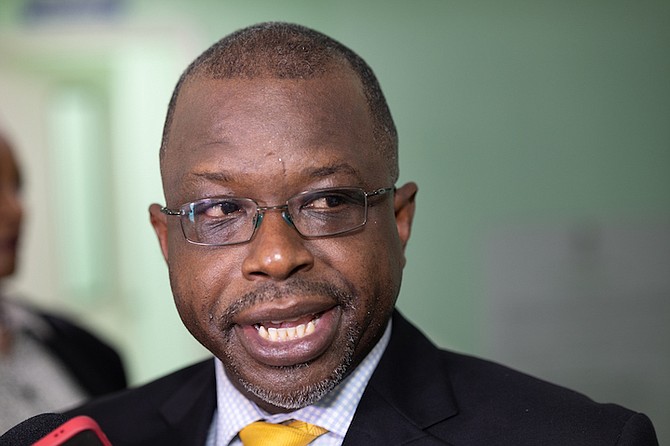
Wayne Munroe, the newly sworn-in Attorney General and Minister of Legal Affairs, is pushing back against growing public concerns that his decades-long legal career — marked by multiple high-profile lawsuits against the Bahamian government and extensive representation of defendants charged by state agencies — will create unacceptable conflicts of interest in his new role leading the country’s legal framework.
Munroe is no stranger to top government office: he previously served as Minister of National Security under the Progressive Liberal Party, and held the Freetown parliamentary constituency seat for years. In a notable twist from the election results, he became the only nominated cabinet member to fail to retain his seat in last week’s vote. Despite the election outcome for his constituency, the party tapped him for the critical attorney general role, and he was officially sworn in during a formal ceremony at Government House this past Friday.
In a press briefing immediately after the ceremony, Munroe leaned into his extensive legal background as a strength for the role, rather than a liability. Over his decades in private practice, Munroe built his reputation handling complex civil and constitutional litigation, including multiple cases brought against the government. Beyond private practice, he has also previously served as a sitting Supreme Court judge and led the Bahamas Bar Association as its president, giving him deep cross-sector experience across the country’s legal ecosystem.
Addressing the conflict of interest claims directly, Munroe shared a lighthearted observation from peers to frame the conversation. “Someone made a joke and said, if I have to be in court, they prefer for me to be representing the government than suing the government,” he told reporters. “If I’m not in government, I’m going to go back to the business that I do, which is civil and constitutional litigation.”
When pressed on whether any of his past lawsuits against the government remain active, Munroe clarified that he had stepped away from active private practice four and a half years ago, leaving no ongoing personal litigation against the state. For any potential future matters that involve legal work from his former law firm, he committed to following standard ethical protocols: “You recuse yourself,” he said, confirming he would step aside from any matters where a conflict could arise.
Munroe’s appointment fills the role left vacant by former Attorney General Ryan Pinder, who signaled his departure from the post back in January. At the time, Pinder told reporters that while he had not formally stepped down earlier, his tenure had come to a formal end, and he had no plans to remain in frontline Bahamian politics, quipping, “Don’t hold your breath” for a return to elected office.
The appointment comes as the new Progressive Liberal Party government settles into its mandate, with the leadership banking on Munroe’s decades of cross-cutting legal experience to guide the country’s legislative and regulatory agenda over the coming term.