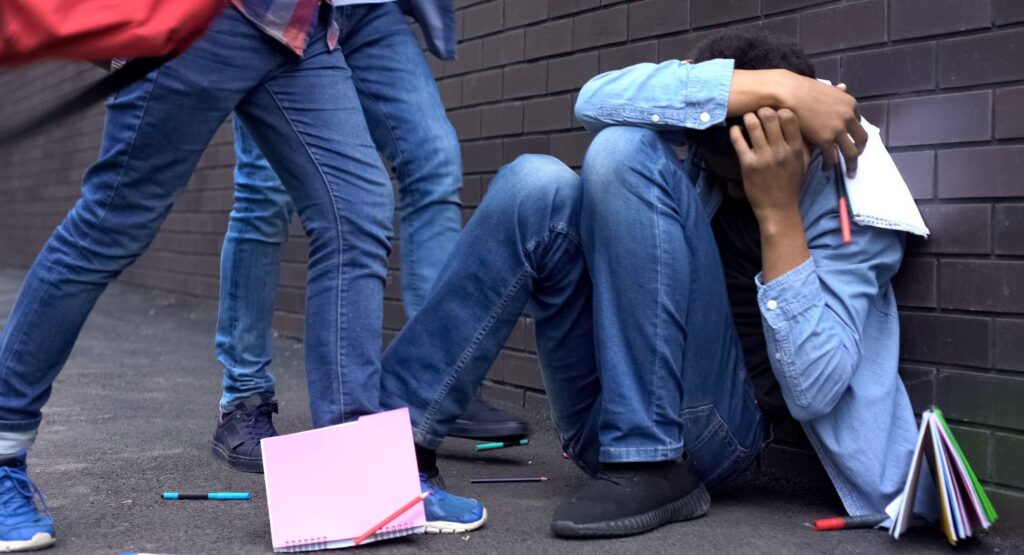
At a public education forum focused on curbing rising violence in Jamaican schools, a prominent St Andrew high school principal has sounded the alarm over the role of unaccountable adults – from careless parents to illicit street vendors – in fueling substance abuse among students and the aggressive behavior that follows.
Reverend Claude Ellis, head of Pembroke Hall High School in the Corporate Area, laid out his case during last Thursday’s Kiwanis Club of North St Andrew meeting, themed ‘Safer Schools Now: Strategies to Combat Violence in Schools’. He argued that systemic change to protect students cannot stop at holding minors responsible for bad choices; adults who enable harmful behavior must face consequences too.
Ellis pointed first to shifting parental responsibilities that leave digital devices to raise children from a young age. ‘We need to get back to holding parents accountable,’ he said. ‘Many of us hand toddlers a phone or tablet to keep them quiet early on, and we fail to anticipate how this lack of guided upbringing plays out in adolescence.’ Beyond lax parenting, he called out unregulated vendors who operate near school campuses, peddling alcohol, vapes, cigarettes and other controlled substances to underage students with little to no repercussions.
To illustrate the urgency of the crisis, Ellis shared a first-hand incident from his own school campus just days before the meeting. While walking toward the main gate, he spotted a cold beer bottle near a student seating area. Assuming it had been left by an adult football team that practiced on the campus the night before, he bent to pick it up – only for a 12-year-old seventh-grade girl sitting nearby to admit the bottle was hers. She told Ellis that drinking before school was a regular habit, and she had brought the beer from her own home, with an adult’s knowledge. ‘When an adult gives a child alcohol at 8 o’clock in the morning, that child grows up thinking this behavior is acceptable,’ Ellis explained. ‘We can’t keep placing all the blame on children while ignoring the adults who normalize harm, all while claiming to uphold children’s rights.’
Ellis also pushed back against the narrative that widespread school indiscipline is simply a product of better media coverage today. While acknowledging that schools have always dealt with low-level misbehavior, he argued that a gradual abandonment of basic moral standards and expectations of good conduct has created a pathway to more severe violence. He criticized the popular viewpoint that personal expression around appearance and behavior has no impact on learning, saying this hands-off approach has backfired spectacularly. ‘There is a clear link between small deportment violations and more serious violent and maladaptive behavior down the line,’ he noted. ‘When we let every student set their own unregulated rules, those competing individual interests end up clashing in harmful ways.’ The principal also added that many incidents of violence and substance abuse go unreported, masking the true scale of the problem across Jamaican schools.
Ellis’ call to action aligns with longstanding concerns from law enforcement and public health officials across the country. Back in 2022, the St Catherine South Police division launched a sustained crackdown on drug and contraband trafficking in local schools, but officers reported facing a persistent ‘cat and mouse’ game with vendors, many of whom are parents themselves. These vendors sell drug-infused treats to students, justifying their actions by claiming they rely on the income for survival. Sergeant Princess Bayliss Ranger of the St Catherine South Community Safety and Security Branch told reporters at the time that even after multiple arrests, vendors almost always return to selling ganja-infused cookies and alcohol-soaked gummies to minors shortly after being released. A 2022 rapid assessment by Jamaica’s National Council on Drug Abuse, which surveyed 160 students and 20 guidance counsellors across 13 parishes, confirmed that the most common substances accessed by students today are Molly, vaping products, and cannabis-infused edibles.
With clusters of school violence rising across the island, Ellis is urging policymakers and community leaders to prioritize sweeping accountability measures to put a ‘dent’ in the growing crisis, starting with holding the adults who enable student substance abuse legally and socially responsible.