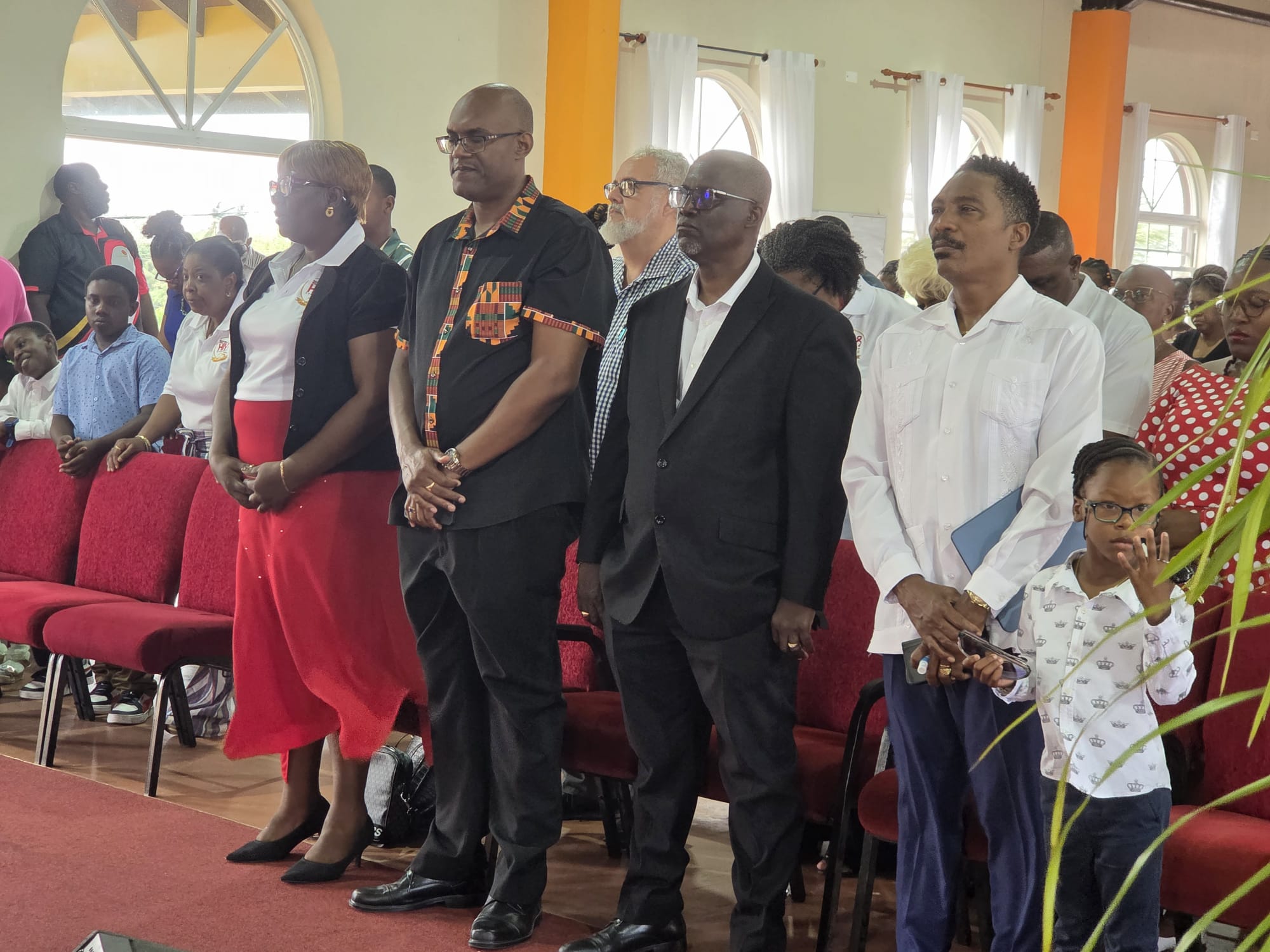
Twenty-five years after it first began its work supporting public health and HIV outreach, the National Wellbeing and HIV Commission – operating under Barbados’ Ministry of People Empowerment and Elder Affairs – is actively seeking to grow its partner network to advance three core goals: boosting population-wide wellness, driving positive behavioral change, and eroding the persistent stigma that surrounds HIV. The expansion push comes as the agency celebrates its silver anniversary, an occasion marked Sunday with a gathering at the Kingdom Empowerment New Testament Church of God in Cottage Land, St George.
Acting Director Kim Bobb-Waithe explained that the commission already works closely with civil society groups and trusted local community leaders to connect with vulnerable, high-priority populations that are most affected by HIV. Expanding this collaborative framework, she emphasized, will allow the organization to extend its reach into communities that already have active on-the-ground organizations, aligning the commission’s resources with existing programming to serve more people in need.
“ we acknowledge that many organizations are already working directly with at-risk groups across the country. We want to partner with them to amplify their existing work and reach the communities they serve every day,” Bobb-Waithe said. “More partners are absolutely critical as we carry out our new expanded wellness mandate, which takes a holistic, whole-person approach to addressing the interconnected public health challenges our society faces.”
Bobb-Waithe also noted that demand for the commission’s two flagship outreach programs – Man Aware and Sister Speaks – has grown steadily in recent months. These initiatives deliver targeted education on HIV prevention, safe sexual practices, and overall wellness to community groups, and rising public interest signals that local communities are eager for accessible, judgment-free information.
“As we work to shift harmful behaviors around HIV prevention, we’ve found that bringing accessible education directly to people where they live and gather has opened new doors. More and more communities are reaching out to us to request additional education sessions,” she said. “People are clearly welcoming the guidance and awareness that these programs provide to help them adopt healthier, safer behavioral practices.”
Minister of People Empowerment and Elder Affairs Adrian Forde praised the commission’s 25 years of work, which has improved quality of life for people living with HIV and strengthened Barbados’ national public health response to the virus. Even with decades of progress, however, Forde stressed that significant unaddressed challenges remain, and echoed the call for expanded cross-sector collaboration.
The commission continues to face persistent headwinds, including partner attrition, widespread HIV fatigue among the public and funding bodies, competing social priorities that pull resources away from HIV outreach, and the ongoing stigma and discrimination that force many people living with HIV to avoid testing and care. Forde noted that while the government remains fully committed to upholding the rights and dignity of all people affected by HIV, it cannot meet the nation’s public health goals on its own.
“Sustained collaboration across the private sector, civil society organizations, faith-based institutions, local community groups, and individual citizens will always be essential to building healthier, safer, more resilient communities, and to ensuring the people who need the most support get the help they deserve,” Forde added.