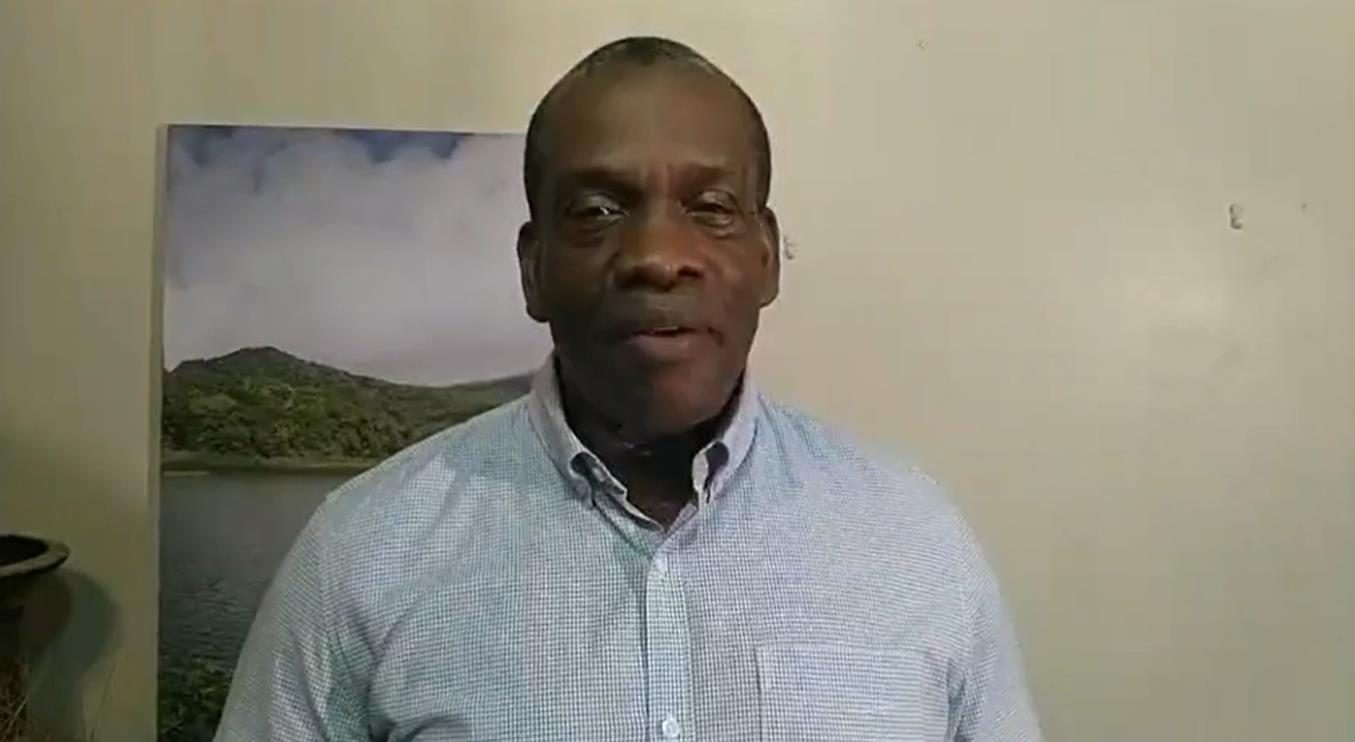
Dominica’s ongoing electoral reform initiative has become a flashpoint of debate, as former United Workers Party political leader and president Lennox Linton has issued a urgent public call for all citizens to complete their mandatory voter registration confirmation before the October 14, 2026 deadline. Linton’s appeal comes as the nationwide confirmation exercise faces mounting pushback from high-profile critics, including one of the country’s most prominent business leaders, who have raised serious questions about the process’s credibility and transparency.
In a public statement emphasizing the foundational role of voting in democratic society, Linton framed participation as both a fundamental right and a core civic responsibility. “Your vote is your voice. Your vote is your choice. Your vote is your right. Your vote is your responsibility,” he told the public, reminding voters that under the newly enacted election law, any ballot cast by an unconfirmed registered voter will not be counted in upcoming elections. He urged people to not wait until the final days of the window to complete the process, stressing that every confirmed vote will shape the outcome of the next general election.
To streamline the confirmation process, local officials have set up dedicated confirmation centers across all of Dominica’s 21 constituencies. Voters are required to bring one form of valid government-issued identification — which can include a Dominica passport, a valid driver’s license, or a social security card — alongside a witness who is registered at the same polling station. For citizens who do not hold any of the primary acceptable identification documents, officials have outlined alternative documentation requirements: a original birth certificate, a formal affidavit of identity signed by a justice of the peace, and a certified passport-sized photograph.
The push for participation comes amid sharp criticism from leading Dominican businessman Gregor Nassief, who has emerged as one of the most vocal opponents of the current electoral setup. Nassief has argued that pervasive delays, systemic administrative failures, and a persistent lack of transparency have already eroded public trust in the country’s electoral system. Among his top concerns are the temporary suspension of continuous voter registration, slow processing times for voters who have already completed confirmation, and the absence of dedicated government-issued voter ID cards — all flaws he says threaten the legitimacy of the upcoming general election.
In a series of open public letters, Nassief has called for the entire Electoral Commission to step down, and demanded that the national government delay calling a general election until the system is fully functional and has earned widespread public trust. He has also proposed two key policy adjustments to address gaps in the current process: an extension of the voter confirmation deadline and a expanded, more aggressive public awareness campaign to boost participation rates. Nassief’s criticisms have been echoed by other opponents of the current reform framework, who warn that other unresolved issues — including unregulated campaign finance, unclear residency requirements for voters, and insufficient safeguards against electoral bribery — continue to undermine confidence in the fairness of upcoming polls.
Despite the widespread criticism of the process, Linton has maintained that individual citizen action remains critical, repeating his call for people to complete their confirmation as soon as possible. “Confirm your registration. Do it today. Ensure your name is on the new voters list. Your vote will definitely matter in the next general election,” he said.