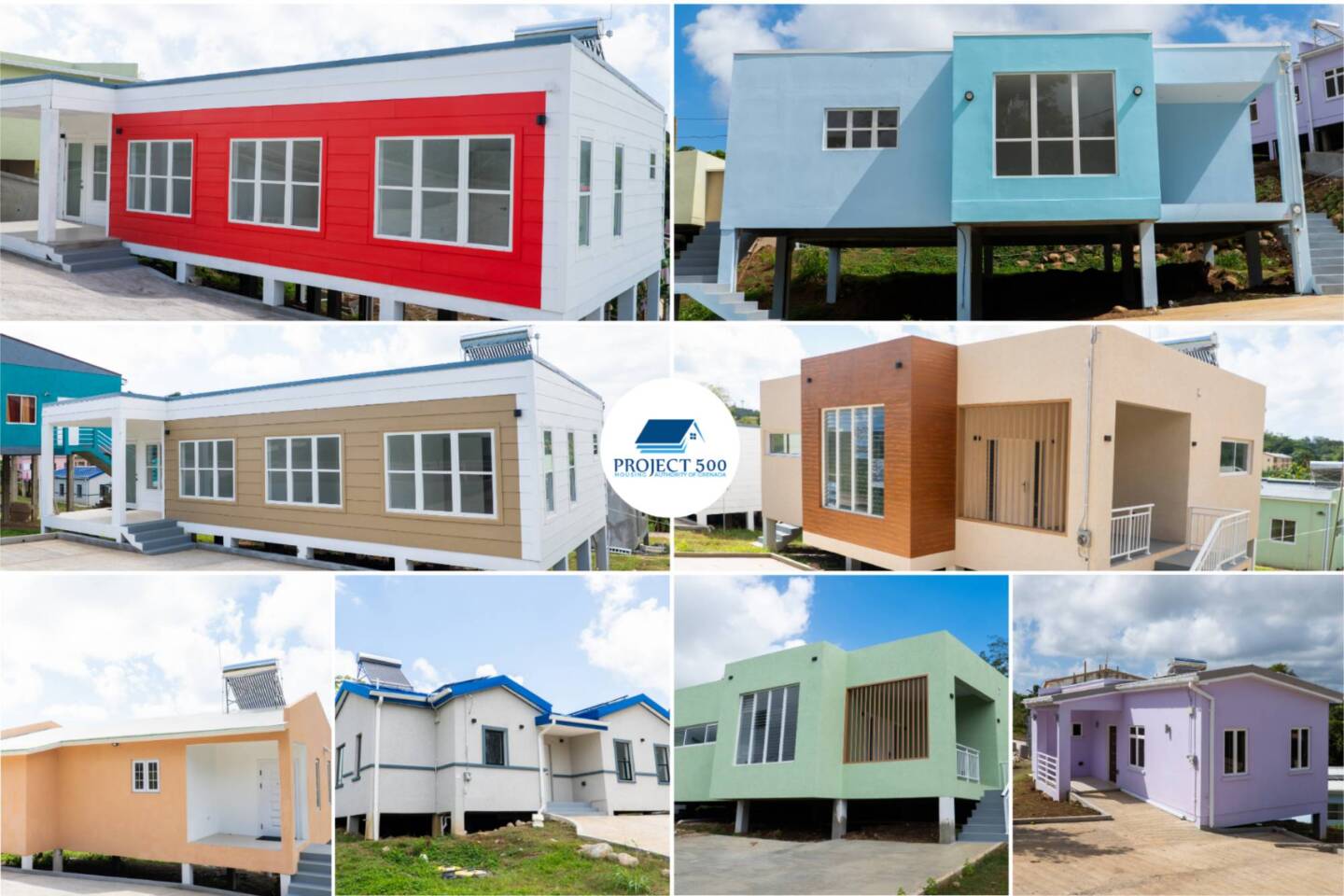
Grenada has reached a landmark step in its mission to expand access to affordable, climate-resilient housing for local families, as Project 500 has officially opened sales for the first tranche of homes at its flagship Dunfermline development. This pilot initiative, which aims to redefine accessible homeownership for middle-income and first-time buyers, is now entering a critical assessment period that will shape the future of affordable housing policy across the island nation.
Randall Dolland, the sponsor of Project 500, framed the launch of home sales as one of the most pivotal milestones of the entire pilot program. With sales now open, the initiative can begin collecting real-world data on market demand and accessibility for buyers who meet the program’s eligibility requirements. “We are proud to officially announce the sale of homes within the first phase of the Project 500 Housing Programme in Dunfermline,” Dolland said in a statement. “This phase allows us to evaluate the viability of these homes for hardworking Grenadian families who have increasingly found themselves priced out of the traditional housing market, but still deserve the opportunity to own a modern, desirable, climate-smart home within a properly planned community.”
Prospective buyers are invited to review the program’s eligibility requirements and submit their applications through a dedicated online portal. Once an application is received, the Housing Authority of Grenada (HAG) will guide candidates through all subsequent steps, including assembling the required documentation to secure mortgage financing through their chosen financial institution.
Project 500 officials confirmed that eligibility rules were carefully crafted to ensure homes reach the initiative’s core target groups: first-time property buyers and middle-income Grenadian families working toward a realistic path to homeownership. To qualify, applicants must meet all of the following criteria: hold Grenadian citizenship and be current residents of the country, be at least 18 years of age, have a total gross monthly household income that does not exceed 7,500 Eastern Caribbean dollars, can prove a stable and verifiable source of income, do not currently own or co-own any residential property anywhere in the world, and agree to occupy the home as their primary and permanent residence. Additional requirements mandate that married applicants submit joint applications, and successful buyers must remain the sole approved deed holders for the property for the duration of the program.
Under the pilot phase allocation framework, half of all available first-phase homes are reserved for families that currently live in St Andrew parish. The remaining units are split evenly between public sector employees and private sector workers, expanding access across different professional groups.
Every home in the development was designed with long-term sustainability and climate resilience at its core. Built to withstand changing climate conditions, the properties include a suite of climate-smart features: upgraded insulation to reduce temperature control costs, low-flow plumbing fixtures to cut water usage, and on-site solar energy systems that lower monthly utility expenses while shrinking the development’s carbon footprint. Beyond individual home features, the entire neighborhood was master-planned to deliver safe, high-quality living spaces for residents. Each lot measures a minimum of 4,700 square feet, and the development includes newly constructed roads, sidewalks, modern drainage infrastructure, full public utility connections, dedicated public green spaces, and at least two off-street parking spots per home.
Dolland emphasized that the initiative extends far beyond simply constructing new residential units. “Our intention was not simply to place a roof over someone’s head,” he added. “Our goal was to create homes and communities that families can truly be proud of, places of comfort, dignity, security and opportunity. Places where children can grow, families can thrive, and generational wealth can become attainable for many Grenadians who once believed home-ownership was beyond their reach.”
Looking ahead, Project 500 leadership confirmed that data and insights collected during this first pilot phase will guide all future expansion of the program. As the initiative scales, officials aim to deliver more affordable, climate-resilient, and sustainable housing solutions to eligible families across all of Grenada.
This article was published by NOW Grenada, which notes that it is not responsible for the opinions and statements shared by contributing parties, and provides a channel for users to report any content that violates platform policies.