One of the most intense prolonged dry periods in recorded history has pushed Saint Lucia’s public water system to a breaking point, forcing the national Water and Sewerage Company Inc. (WASCO) to maintain emergency water delivery and distribution protocols across the entire island to mitigate widespread shortages.
In an official public update released Thursday, WASCO confirmed that months of dramatically below-average rainfall have pushed inflows at the country’s most critical water treatment facilities to dangerously low levels. Two major processing hubs, the Theobalds Water Treatment Plant — which serves populated communities stretching from Millet to Cap Estate — and the Hill 20 Water Treatment Facility, which supplies the Babonneau region, have both been hit particularly hard by the sustained drought conditions.
The crisis is not isolated to northern and central parts of the island. Southern Saint Lucia’s water networks, which serve communities including Dennery, Beausejour, Patience, Soufrière and Choiseul, are also grappling with steep cuts to available supply. These reductions have forced lower production outputs across the board, adding unplanned strain to the island’s already overstretched distribution infrastructure.
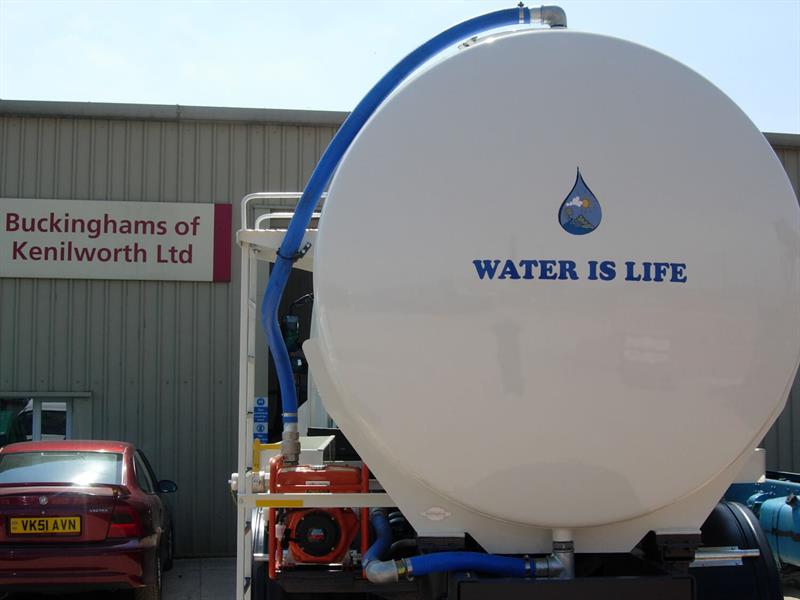
To address the immediate crisis, WASCO has ramped up emergency potable water trucking operations, prioritizing delivery to essential public services and the communities facing the most severe scarcity. The utility has also continued targeted community valving operations designed to create a more equitable distribution of remaining available water across all affected districts.
Meteorological data confirms the severity of the dry spell that has gripped the island since June 2025. Speaking at a WASCO press briefing earlier this month, Director of Meteorological Services Vigil Saltibus explained that months of below-average rainfall have evolved into active developing drought conditions. The 2025 wet season finished with a 37% deficit in total rainfall compared to long-term averages, and the shortfall has carried over into the 2026 dry season with no meaningful relief.
As of April 2026, accumulated rainfall between June 2025 and April 2026 ranks as the third driest such period on record, Saltibus confirmed. Dry, parched soils have absorbed any light scattered rainfall that has occurred, leaving almost no excess to replenish rivers, reservoirs and critical water catchment areas. This means natural water systems have had no opportunity to recover from months of depletion, keeping supply levels under constant pressure.
Looking ahead, forecasts indicate that below-average rainfall will likely persist into the early stages of the 2026 hurricane season, a trend partially driven by a developing El Niño climate pattern. This extended dry forecast is expected to push demand for water even higher, worsening stress on already depleted reserves.
Alongside emergency distribution efforts, WASCO has moved quickly to accelerate water quality testing across all affected distribution networks, working to uphold public safety standards even as inflows remain low. The utility is collaborating closely with the Water Resources Management Agency, the Ministry of Environmental Health, and both regional and international partners to ensure all water supplies remain fully compliant with World Health Organization safety protocols.
In addition to short-term emergency response, WASCO highlighted long-term infrastructure projects aimed at boosting the water system’s resilience to future climate extremes. These include ongoing redevelopment works in the Patience region, designed to strengthen long-term supply reliability for the community.
WASCO is urging all customers across the island to prioritize water conservation, store water supplies safely, and use existing reserves sparingly for the duration of the dry spell. The utility has also advised residents to monitor its official website and social media channels for the most up-to-date information on water trucking routes and valving schedule changes.