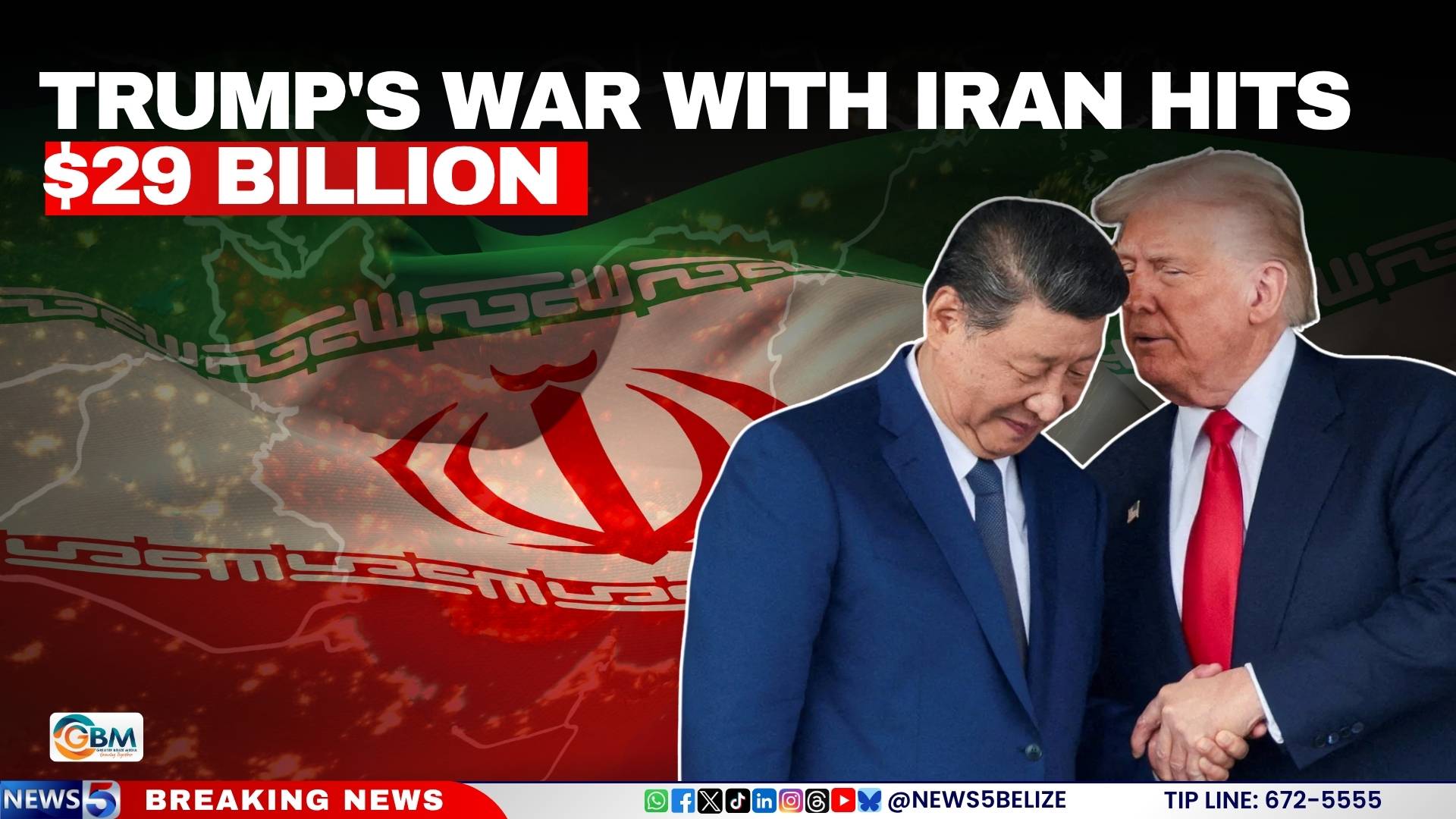
As of May 12, 2026, the cumulative financial cost of the ongoing military conflict between the United States and Iran has surged to an estimated $29 billion, marking a $4 billion increase from the official congressional estimate released just two weeks prior, according to a senior Pentagon official Jay Hurst. This rising price tag has amplified already widespread economic anxiety across the United States, as policymakers and households brace for cascading impacts on daily living expenses.
Parallel to the mounting costs, the U.S. Department of Energy has issued a formal warning that global crude oil prices are projected to stay above the $100 per barrel threshold in the coming weeks. The energy price surge stems from escalating regional instability: Iranian military operations have damaged critical energy infrastructure across the Middle East, disrupting global oil production and shipping lanes. Compounding the crisis, a large uncontrolled oil spill off Iran’s major Kharg Island export terminal continues to spread, threatening further disruptions to global energy supplies and worsening ecological damage in the Persian Gulf.
Despite these mounting pressures, diplomatic efforts to de-escalate the conflict remain stuck in a deadlock. Negotiations between the Trump administration and Iranian leadership have failed to produce any breakthroughs to date. Amid the stalemate, international attention has turned to China as a potential third-party mediator to facilitate dialogue between Washington and Tehran. U.S. President Donald Trump is scheduled to travel to China on the same day the new cost estimate was released, where he confirmed he will hold a “long talk” with Chinese President Xi Jinping, CNN reported.
However, Trump has downplayed the need for Chinese mediation, striking a confident tone in comments to CNN. “We’ll win it one way or another,” he said. “We’ll win it peacefully or otherwise.” Observers note that China’s close economic and diplomatic ties with Iran position it uniquely to broker a negotiated solution, but the Trump administration’s reluctance to explicitly request assistance could complicate any potential de-escalation efforts. With the financial and human costs of the conflict continuing to climb and energy markets already strained, policymakers and global markets are closely watching the upcoming U.S.-China talks for any signs of progress toward ending the standoff.