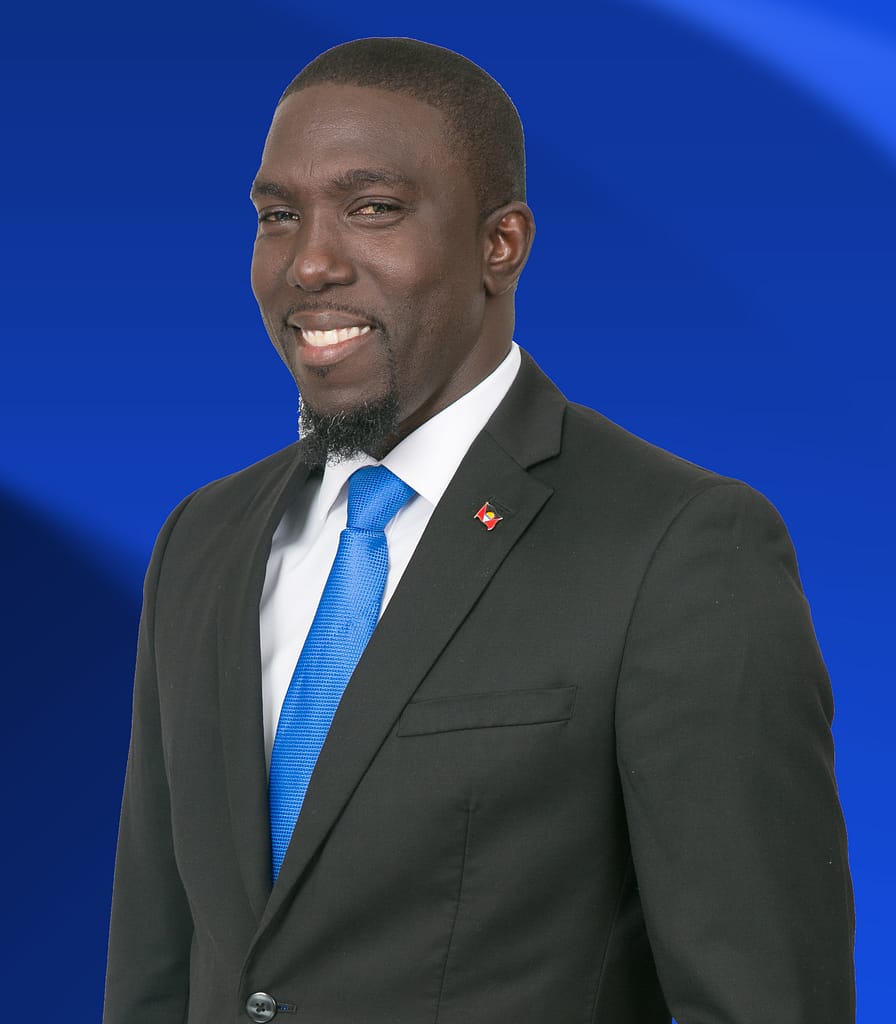
In the wake of a devastating general election performance that left Antigua and Barbuda’s main opposition United Progressive Party (UPP) holding just one parliamentary seat, leading regional pollster Peter Wickham has cast major doubt on Jamale Pringle’s long-term future as the party’s leader. Despite Pringle retaining his own constituency seat of All Saints East and St. Luke, Wickham argues that this narrow personal electoral survival does not automatically grant him the legitimate authority to lead the party moving forward.
Wickham explained that Pringle’s current position as the UPP’s sole parliamentary representative, and thus de facto opposition leader, is the result of pure electoral arithmetic rather than broad confidence in his leadership among party members. This is not an unprecedented situation for Pringle: following the 2018 general election, he also emerged as the UPP’s only elected lawmaker, earning him the widely circulated nickname “single Pringle.”
The 2023 election results delivered a historic landslide victory for the incumbent Antigua and Barbuda Labour Party (ABLP), which secured 15 of the 17 available parliamentary seats to win its fourth consecutive term in office. The lopsided outcome has left the UPP facing its most challenging political moment in recent history, requiring a full reassessment of its strategy, leadership structure, and long-term direction.
Drawing on lessons from other political parties across the Caribbean that have faced similarly devastating electoral losses, Wickham notes that it is common for parties in this position to split the roles of parliamentary leadership and broader party leadership. In many regional cases, rebuilding efforts have been successfully led by figures who do not hold elected office, meaning the UPP’s next permanent party leader could come from outside the current parliamentary caucus.
Wickham added that Pringle himself must now carefully consider his future role in the party, particularly as the organisation enters an expected multi-year rebuilding phase. While the UPP’s single seat leaves it with a slim official presence in parliament, Wickham frames this as a small but critical lifeline: the single seat guarantees that the party retains an official opposition platform to rebuild its brand and connect with voters ahead of the next election cycle. “The electorate has effectively ensured that there is still an opposition voice,” he noted.
As the dust settles on the election, Antigua and Barbuda’s political landscape has undergone a dramatic shift, with the ABLP cementing its long hold on power and the UPP entering what most political observers predict will be an extended period of internal reflection and potential restructuring.