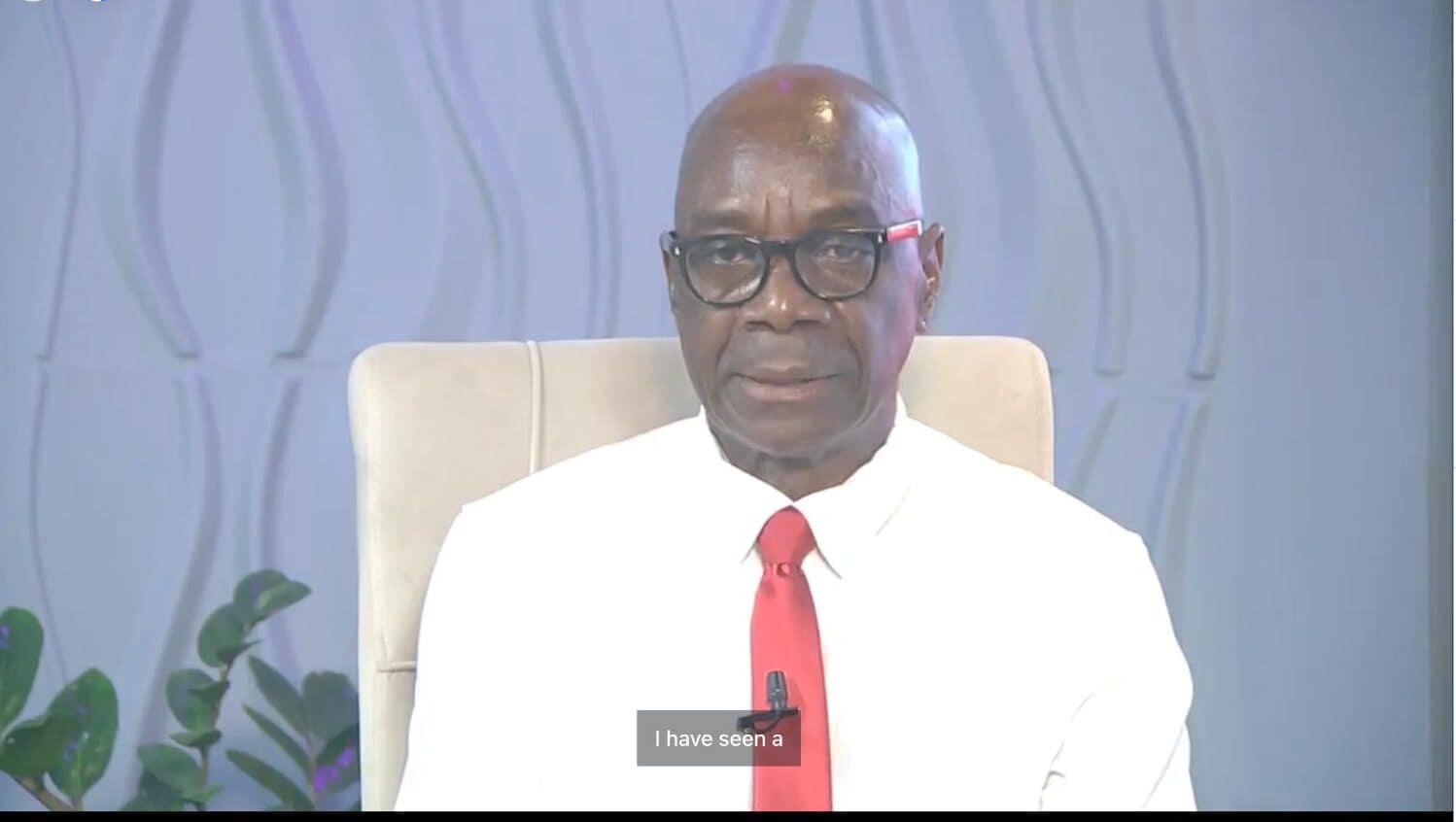
As Antigua and Barbuda prepares for its April 30 general election, a seasoned local physician has made transforming the nation’s healthcare system the centerpiece of his bid for public office. Dr. Philmore Benjamin, the Antigua and Barbuda Labour Party (ABLP) candidate running for the St Mary’s North constituency, laid out his comprehensive restructuring plan during a televised and radio interview on ABS Television/Radio Thursday morning, drawing on 30 years of frontline medical experience to frame his policy agenda.
Decades of working directly with patients in the community have given Benjamin a unique perspective on the systemic flaws driving poor health outcomes for local residents, he explained during the appearance. “As a practicing physician for the past 30 years, I have seen a lot and I have learned a lot,” Benjamin said, emphasizing that many of the health struggles citizens face can be traced back to misaligned policy decisions.
For Benjamin, fixing the nation’s healthcare system starts at its most foundational level: community-level primary care. “Primary health care starts at the level of the clinics. And that is the first contact with patients,” he noted. His proposed multi-tiered model aims to expand the scope of care available at existing village clinics, while introducing a new network of polyclinics to fill the current gap between basic community care and tertiary hospital services.
Under this plan, polyclinics would bring diagnostic services and specialist care that are currently only available at the main tertiary hospital directly to local communities. “We’d expect to have now some specialist services in these clinics… rather than going to the hospital maybe to get an X-ray, maybe ultrasound,” Benjamin explained. By shifting non-critical care from the main Sir Lester Bird Medical Centre to community and polyclinic settings, the plan directly targets the persistent overcrowding that has strained the island’s flagship hospital. “To fix that, we have to fix primary health care,” Benjamin said, adding that a hospital should never be forced to function as a frontline primary care clinic.
Beyond the core polyclinic and primary care expansion, Benjamin’s plan also includes expanded access to geriatric physiotherapy, increased at-home care services for vulnerable patients, and stronger public health education focused on preventing both communicable and non-communicable diseases.
While his campaign platform covers five key pillars – including youth development, environmental stewardship, elder care, and public safety – Benjamin stressed that healthcare remains the backbone of any meaningful effort to raise local quality of life. “My intention really is to improve standard of living and quality of life,” he said.
Having practiced medicine in the St Mary’s North community for more than 30 years, Benjamin noted that his deep, long-standing ties to the area have shaped a campaign rooted in personal familiarity and public service. Many constituents already know him through his decades of medical work, and voter response has been largely positive so far, he reported. “So far, so good,” he said of the early reception on the campaign trail.