Authored by Yadirys Echenique Paz, Cuba’s Ambassador to Grenada, this commentary traces Cuba’s modern trajectory through decades of external pressure, while framing the island’s revolutionary project as a enduring example of self-determination and global solidarity that demands renewed international support in 2026.
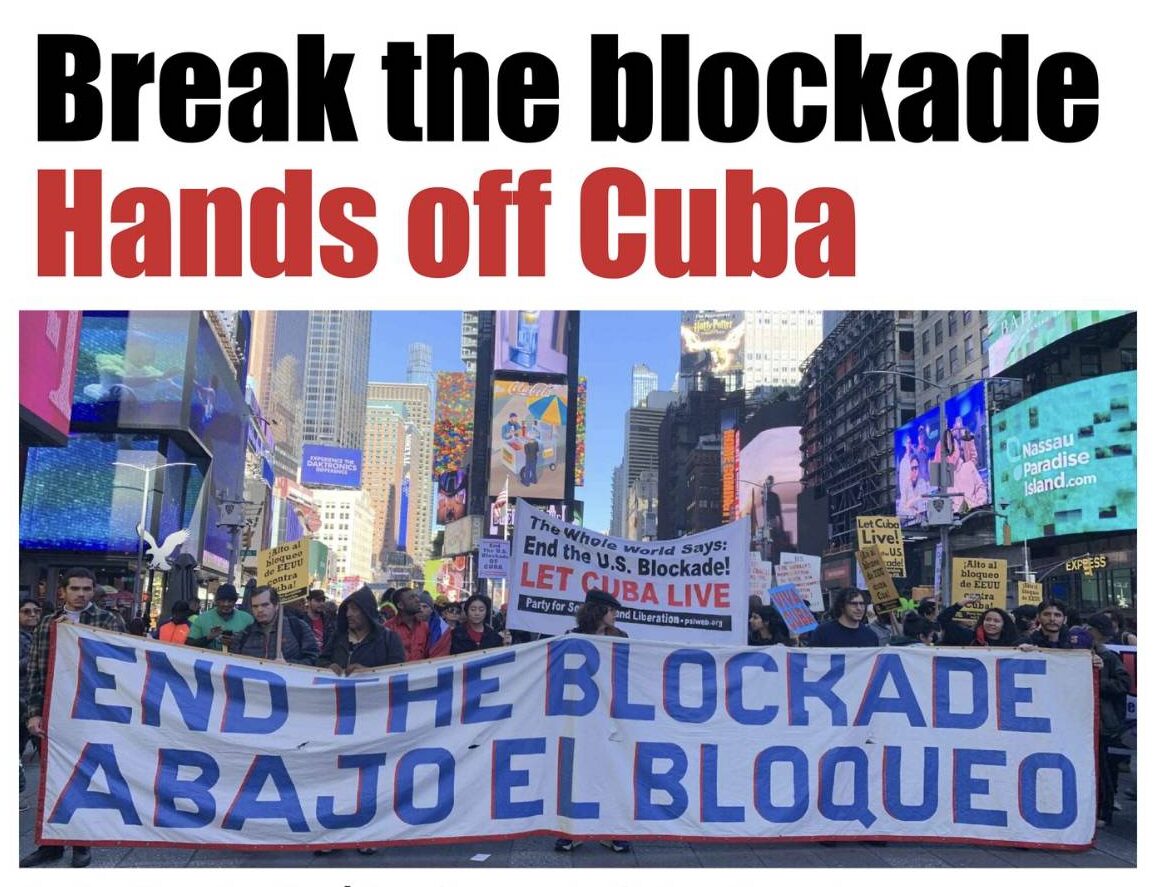
No account of Cuba’s modern history can be complete without addressing the persistent threats that have shaped the island’s national experience up to the present day. For more than six decades, a crippling economic blockade, coordinated international smear campaigns, and relentless diplomatic pressure have all been wielded with the explicit goal of cutting Cuba off from the global community. Yet this campaign of isolation has been met with a powerful counter-movement: tens of thousands of people across every continent have rallied to Cuba’s defense, recognizing that protecting the island’s right to self-determination is itself a defense of national dignity for all small and developing nations.
From its earliest days, the 1959 Cuban Revolution emerged as a guiding light for progressive movements across the globe. Its unwavering resolve in the face of imperial pressure inspired generations of anti-colonial and progressive fighters across Latin America, Africa, and Asia, while earning widespread sympathy among progressive social groups in Europe. The transformations that followed the overthrow of Fulgencio Batista’s authoritarian regime were never confined to Cuba’s borders; the revolution crossed continents to become a global banner of progressive change that retains its urgent relevance more than 60 years later.
Cuba’s global influence after 1959 extended far beyond symbolic inspiration. Over the past six decades, the Cuban people have intertwined their national story with the struggle of Global South nations for independence and equity. From the valiant resistance of Cuban military contingents against the 1983 United States invasion of Grenada, to the deployment of tens of thousands of Cuban civilians and service members to support anti-colonial liberation movements across Africa, the island has a long track record of standing in solidarity with marginalized nations. This commitment also extends to social development: Cuba has implemented life-changing public health programs such as Operación Milagro (Operation Miracle), which has provided free eye care to millions of low-income people across the Global South, and literacy initiatives such as Yo Sí Puedo (Yes I Can) that have lifted millions out of illiteracy. During global crises ranging from natural disasters to the COVID-19 pandemic, Cuban medical brigades have been among the first to arrive in hard-hit nations to provide critical care.
This decades-long commitment to international solidarity has come at a steep human cost. Hundreds of Cuban internationalists have lost their lives serving in distant lands, united by the core belief that the fight for justice does not stop at national borders. Their sacrifice stands as proof of the consistency of Cuba’s revolutionary project: it does not merely proclaim lofty principles, but turns them into tangible, on-the-ground action in every struggle beyond the island’s borders.
Today, as external threats grow more intense and coordinated disinformation campaigns multiply, defending Cuba has become synonymous with defending justice and national sovereignty for all peoples resisting foreign domination. Expressions of solidarity with the island are part of a shared global struggle against great power hegemony. Standing up to the United States’ longstanding hostile policies toward Cuba is an act of supporting a people’s right to live in peace, shape their own future free from external coercion, and uphold the resilience of a nation that continues to be a beacon of hope for progressive movements across the globe.
Against the backdrop of a renewed 2026 offensive by U.S. imperialism against Cuba—marked by harsh new energy sector sanctions and coordinated attempts at political destabilization within the island—active international solidarity has become an urgent necessity. Every public statement condemning aggression, every mass march rallying to defend the Cuban Revolution, every public manifesto denouncing the ongoing blockade is a direct act of defending the universal principles of sovereignty and justice. By contrast, those who choose silence at this critical moment stand complicit with the forces seeking to undermine Cuba’s right to self-determination.
In this moment of heightened pressure, the commentary calls on global supporters to recall Fidel Castro’s words during a May 8, 1959 address: “Our Revolution needs the solidarity of other brotherly peoples (…) to become stronger, to become firmer, and to carry forward a programme of the broadest dimension.” That 65-year-old call remains just as urgent today, because as Cuba’s revolutionary project survives, it preserves a global vision of national sovereignty, social justice, and cross-border solidarity that is worth defending—not only for the Cuban people, but for all peoples across the world.
*Disclaimer: NOW Grenada does not take responsibility for the opinions and content shared by this contributing author.*