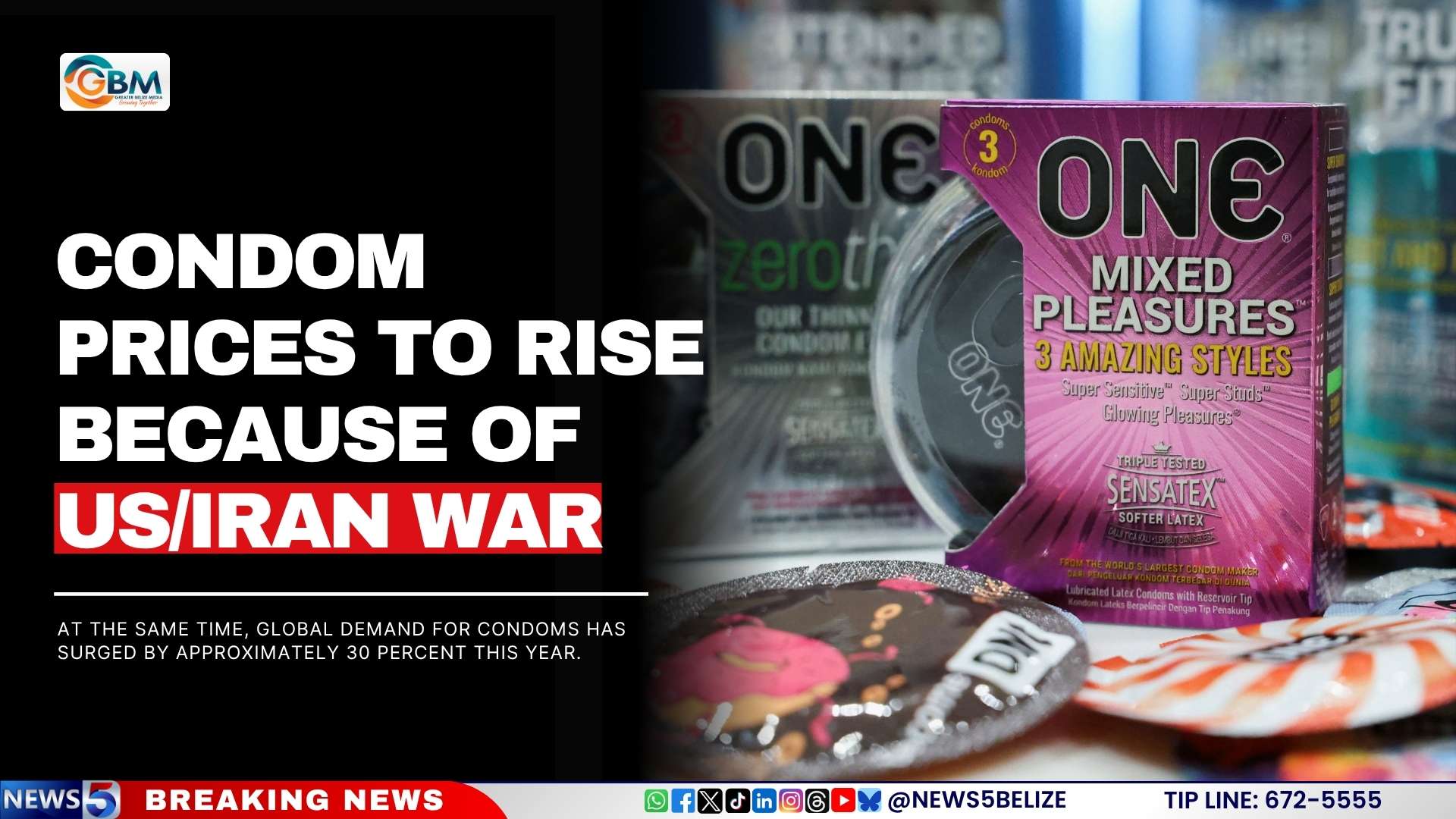
The ongoing geopolitical conflict between the United States and Iran has rippled beyond traditional energy and security sectors, creating unexpected disruption in a critical global consumer and public health supply chain. The world’s leading condom producer, Karex Bhd, has confirmed it will implement steep price increases of between 20 and 30 percent, a move directly tied to supply chain breakdowns sparked by the regional conflict.
In an official statement shared with stakeholders, Karex Chief Executive Officer Goh Miah Kiat explained that the price adjustment is a necessary response to skyrocketing production and logistics costs that the firm can no longer absorb internally. As the world’s largest condom manufacturer, Karex churns out more than five billion units annually, serving a wide range of high-profile clients that include top global retail brands Durex and Trojan, as well as major public health entities such as the UK’s National Health Service and United Nations sexual and reproductive health aid programs.
Goh detailed that the US-Iran conflict has upended key logistics routes and raw material markets across the Middle East, a critical transit and processing hub for the core inputs required for condom manufacturing and packaging. Essential materials including synthetic rubber, nitrile, aluminum foil, and silicone oil have both dropped in availability and jumped in cost, creating massive cost pressures for the Malaysia-based manufacturer.
Compounding the supply-side strain is an unexpected 30 percent surge in global condom demand this year. Much of this increased demand stems from pre-emptive restocking after shipping delays depleted existing inventory, particularly in low- and middle-income developing nations that depend almost entirely on international imports and aid programs to meet their sexual health needs.
Logistical bottlenecks have also dramatically extended delivery timelines for Karex’s key markets in Europe and North America. Where shipments previously took roughly one month to reach destination ports, current delivery times have nearly doubled to almost two months. This backlog has left large volumes of product stuck in transit, even as widespread shortages impact communities in high-need regions.
While Karex currently maintains enough finished inventory to meet demand over the coming months, company leadership has launched efforts to scale up production capacity to close the gap between supply and elevated global demand. Even so, executives have issued a warning that if geopolitical instability in the Middle East continues to disrupt global supply chains, additional price hikes could be on the horizon in the near future.