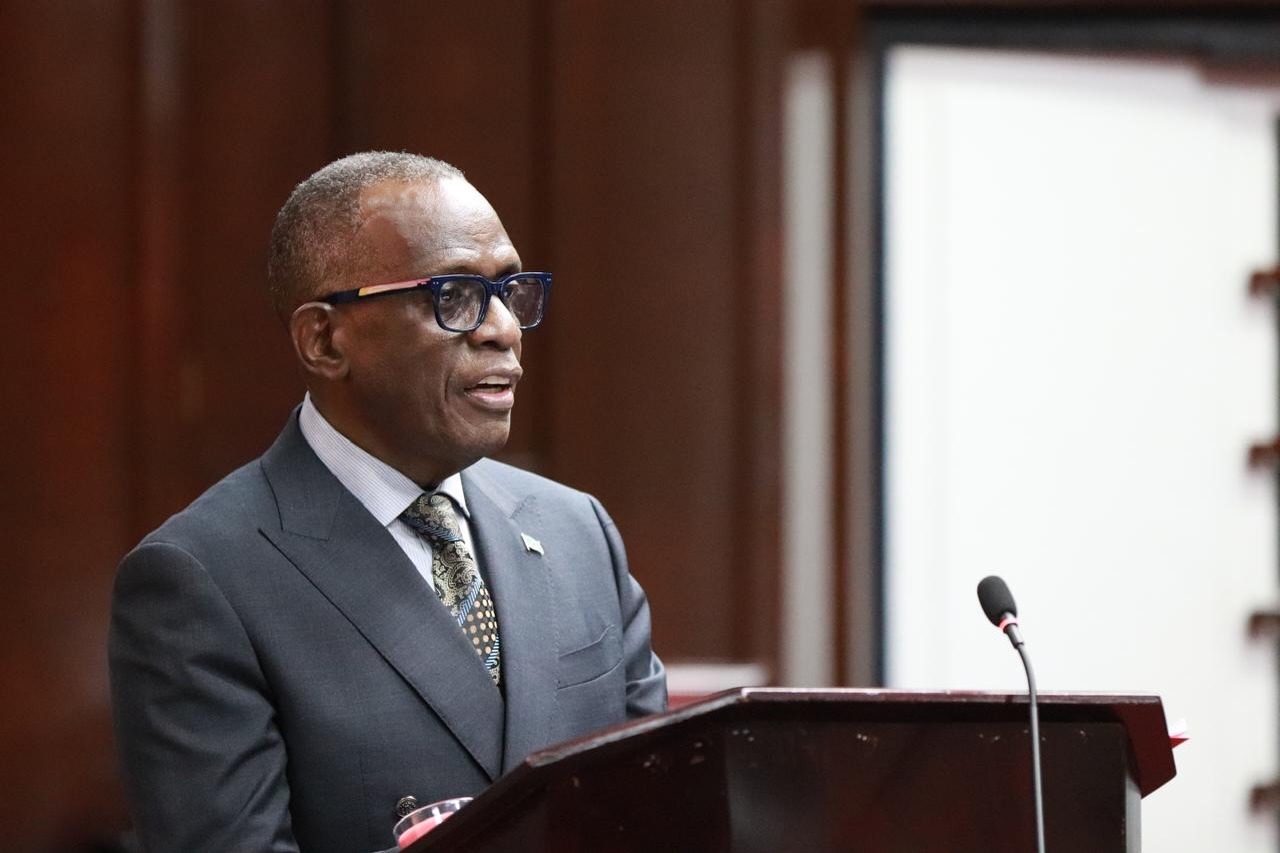
The Caribbean island nation of Saint Lucia has launched an ambitious, multi-faceted strategic plan to modernize and revitalize its national education system, with Prime Minister Philip J. Pierre detailing wide-ranging reforms designed to expand equitable access to learning, embed a culture of lifelong education, and align academic offerings with the shifting demands of the 21st-century workforce.
Pierre laid out the full details of the reform agenda as he presented the government’s 2026/2027 budget to the House of Assembly on Tuesday evening, anchoring the plan in his administration’s core policy perspective. “A fundamental belief of my administration is that learning is a lifelong endeavour, and our policies are designed to achieve this national goal,” the prime minister told legislators.
This overarching vision will guide investment and policy changes across three priority areas from the start: early childhood education, specialized support for learners with disabilities, and technical and vocational skills training. Building on two existing flagship access programs—the First Generation Scholarship Programme and the one university graduate per household initiative—Pierre confirmed both initiatives will not only be preserved but scaled up to reach more eligible learners across the island.
This year alone, 25 new fully partnered scholarships will be made available through a collaboration with New York-based Monroe College, and senior government leaders will soon hold formal talks with the University of the West Indies (UWI) to open up additional spots for Saint Lucian students at the regional institution.
A core infrastructure priority of the reform plan is the full upgrade of traditional learning spaces into technology-integrated smart classrooms. “We must upgrade our classrooms into smart classrooms,” Pierre said, noting the renovated spaces will foster more dynamic, interactive learning experiences while helping curricula evolve to match workplace needs.
The prime minister also addressed a long-standing challenge facing the island’s education sector: a persistent shortage of qualified instructors in high-priority STEM fields, specifically science and mathematics. To close this gap, the government will increase recruitment for these roles and introduce a new “master teacher” model, where experienced, expert educators will lead instruction and mentor less experienced staff in these critical subject areas.
Beyond curriculum and infrastructure changes, the reform plan recognizes the foundational role of family engagement in student success. Pierre warned that without intentional, supportive parenting, many children will struggle to reach their full academic and personal potential. In response, a cross-government joint initiative bringing together the Ministry of Education, the Ministry of Youth Development, and the Saint Lucia Social Development Fund will provide targeted resources to parents, while also working to improve overall student retention across all school levels.
This program will include early screening to identify students at risk of dropping out, and expanded technical and vocational pathways for learners whose strengths and interests fall outside the traditional academic track.
Vulnerable student groups, particularly boys, who make up a disproportionate majority of the island’s high school dropouts, will receive targeted, tailored support under the new plan. Males currently account for most school departures before graduation, so the reforms will add targeted counselling, peer mentorship, and behavioural support, alongside a dedicated student support program for students in Forms Four and Five.
Early childhood education remains a central pillar of the entire transformation agenda, with Pierre emphasizing that these early developmental years are “the most critical and receptive for learning.” To raise quality and consistency across the sector, the government will standardize early childhood education through a new national play-based curriculum, and a comprehensive quality assessment will be conducted for all public and private early childhood centres across the island. More than $1 million has been allocated in this year’s budget to launch the first phase of this work.
Technical and vocational education and training (TVET), a key lever for aligning education with labour market demands, will see dramatic expansion under the plan. Four existing secondary schools are already in the process of being converted into dedicated technical and vocational institutes. The government will also deepen its collaboration with the Centre for Adolescent Renewal and Education (CARE) to support positive behavioural development, cut national dropout rates, and boost graduate employability through structured, work-focused training.
Additional support through the regional OECS Skills and Innovation Project will help Saint Lucia develop national TVET standards and curricula that are directly mapped to current and projected labour market needs. The government will also introduce targeted training subsidies for vulnerable learners, alongside a new Grants Management Facility to support education-focused innovation and youth entrepreneurship.
To deliver on these TVET expansion goals, the national Programme for Education Realignment and Transformation will fund the construction of new TVET laboratories and hands-on training workshops in selected secondary schools, all outfitted with modern, industry-standard tools and digital technology to give learners practical, job-ready experience before they enter the workforce.