Months ahead of the opening of the 2026 Commonwealth Games in Glasgow, the global King’s Baton Relay has marked its latest stop in the Central American nation of Belize, bringing a celebration that weaves together local cultural identity, athletic legacy and environmental action.
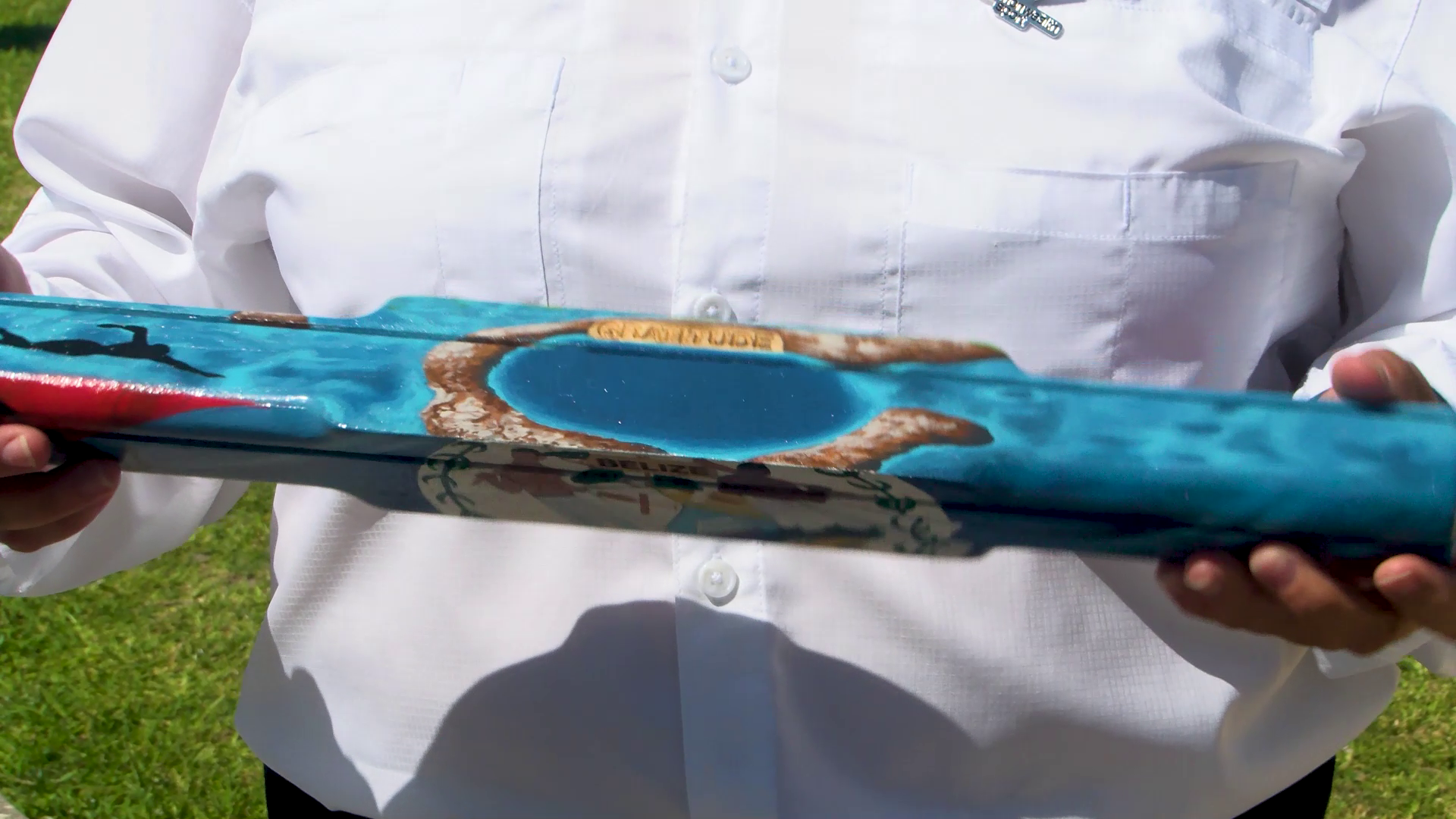
A core innovation of this year’s relay sets it apart from previous iterations: for the first time in Commonwealth Games history, all 74 participating nations and territories have received a customizable blank baton, which each community can design and decorate to reflect their unique national story. Belize unveiled its one-of-a-kind hand-painted baton to the public alongside the relay’s arrival on Monday, kicking off a full day of community-focused activities.
The day’s events centered on a public relay run that traveled along Belize’s coastal corridor, finishing at the iconic Baron Bliss Lighthouse. The run featured enthusiastic participation from students of Saint Catherine Academy, who extended the event’s impact beyond athletic celebration by organizing an ocean cleanup campaign along the city seawall. Led by the school’s Oceana Wavemakers Club, the student volunteers collected plastic waste along the route between the lighthouse and their school campus, tying the Games’ spirit to tangible local environmental action. The initiative aligns with a core priority embedded in Belize’s baton design: protecting the nation’s rich marine ecosystems for future generations.
In an interview following the unveiling, Leticia Westby, a board member of the Belize Olympic and Commonwealth Games Association, broke down the layered meaning behind the nation’s custom baton and the day’s programming. “The core goal of pairing the relay with our cleanup effort is to remove harmful plastic from our coastal waters, so our oceans can be preserved for generations of Belizeans to come,” Westby explained.
She walked through the creative choices that shaped Belize’s baton, noting that every design element ties to a key part of the nation’s identity. The baton’s base features the Belizean national flag, a clear marker of national pride. It also includes a depiction of the Great Blue Hole, Belize’s famous UNESCO World Heritage Site that draws visitors from across the globe, as a nod to the nation’s extraordinary natural heritage. The theme of ocean protection is woven directly into the design, reinforcing the message of the day’s cleanup campaign. To honor the nation’s ancient cultural roots, the baton also showcases the country’s unique Mayan heritage, with a depiction of ancient Mayan ruins and a reference to Pok-ta-Pok, the ancient traditional ballgame that the Maya have played for millennia.
Notably, Belize holds a special connection to this centuries-old sport: the nation claimed the title of Pok-ta-Pok world champions just a few years ago, and the game remains an active part of modern Belizean cultural life. “Mayan civilization has been rooted in this land since before the Common Era, and their culture and traditions remain a core part of who we are as Belizeans today,” Westby added.
The custom baton design was commissioned from local artist Keion Griffith, who worked to bring all of these thematic elements together into a cohesive, visually striking work of art. Following the arrival event, Belize’s week of Commonwealth Games-themed activities will conclude on Friday with a public Pok-ta-Pok match hosted at Jardin Pachamama Field, giving community members the chance to experience the ancient traditional sport firsthand.
As the relay continues its journey across all 74 Commonwealth nations and territories ahead of the 2026 Games, each stop has highlighted how the event serves not just as a precursor to athletic competition, but as a global platform for celebrating cultural diversity, advancing local sustainability goals, and bringing communities together around shared values.