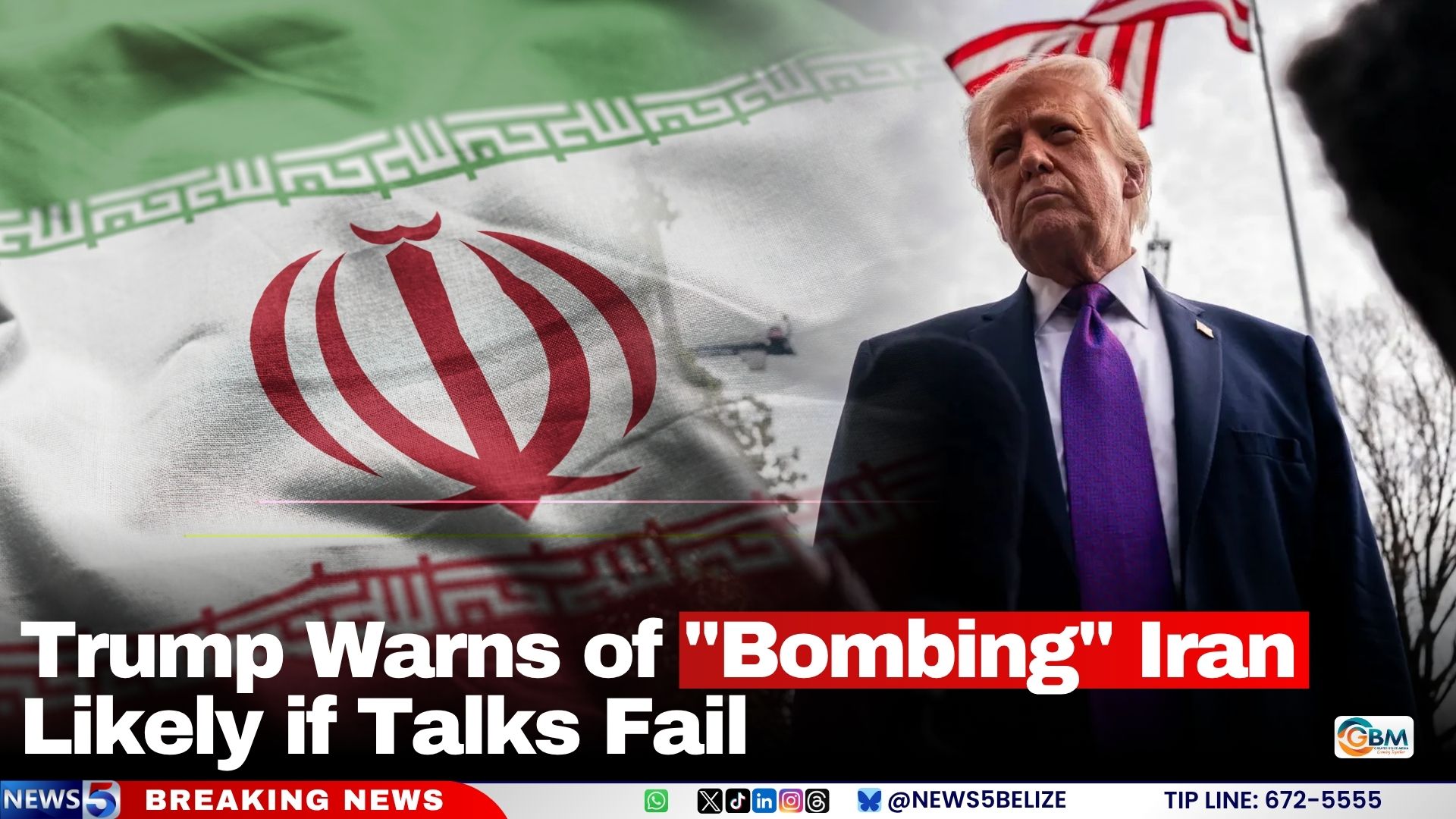
With a critical Wednesday ceasefire deadline rapidly approaching, the United States and Iran stand just one misstep away from a resumption of open military conflict, according to new remarks from former president and current U.S. leadership figure Donald Trump. In an exclusive interview with CNBC, Trump openly warned that military strikes on Iran are the most likely outcome if negotiations fail to produce a breakthrough, stating that preparing for bombing operations is the strongest negotiating position Washington can hold.
Trump added that U.S. military forces are fully prepared and eager to carry out combat operations if ordered, ratcheting up already heightened tensions between the two nations. The hardline comments come as Washington scrambles to organize last-ditch diplomatic talks in the Pakistani capital of Islamabad, a plan that remains in limbo as Iranian officials have not yet confirmed their participation, multiple U.S. media outlets including CNN report.
Per insider sources familiar with the negotiation plans, U.S. Senator JD Vance is expected to lead the American delegation alongside a cohort of senior national security officials, while Iranian parliamentary speaker Mohammad Bagher Qalibaf has been tapped to head Tehran’s negotiating team. But Iranian government officials have pushed back on this framing, publicly insisting that no Iranian delegation has even arrived in Islamabad for talks as of this reporting.
Compounding the uncertainty around diplomacy, Trump has explicitly ruled out extending the existing ceasefire, calling a deadline extension “highly unlikely.” The refusal to extend the truce has put extreme pressure on negotiators before formal talks have even begun, leaving the entire diplomatic process on fragile ground.
Off the negotiating table, hostilities between the two nations are already intensifying. The U.S. Pentagon recently confirmed that U.S. military personnel boarded a sanctions-targeted tanker in international waters, an operation that comes just days after U.S. forces seized an Iranian-owned cargo vessel. Iran has fiercely condemned these actions as outright piracy, and has issued explicit warnings that it will carry out retaliatory measures in response.
At the core of the ongoing standoff is control over the Strait of Hormuz, the strategic global chokepoint that carries roughly 20 percent of the world’s daily oil supply. Global energy markets have already felt the impact of rising tensions, with oil prices seeing consistent upward volatility over the past weeks since the current conflict cycle began.
While U.S. officials frame their military and economic pressure as a tool to force Iran to the negotiating table, Iranian leaders have signaled they hold unexpected new leverage in any potential military confrontation. The hardening positions from both sides have left global observers fearing that ongoing diplomatic efforts are not a genuine attempt to avoid war, but rather a preliminary step before open conflict resumes.